Oman could become a cornerstone of Gulf energy security, but risks remain
In its heyday, Oman’s maritime empire stretched from Mozambique and Zanzibar to Gwadar in Pakistan. The modern sultanate does not extend so far, but it still holds an important position overlooking the Strait of Hormuz. Oman has gained economically from the conflict, while seeking to mediate peace. Now it could make itself a foundation stone of Gulf security. The war has forced the IMF to…
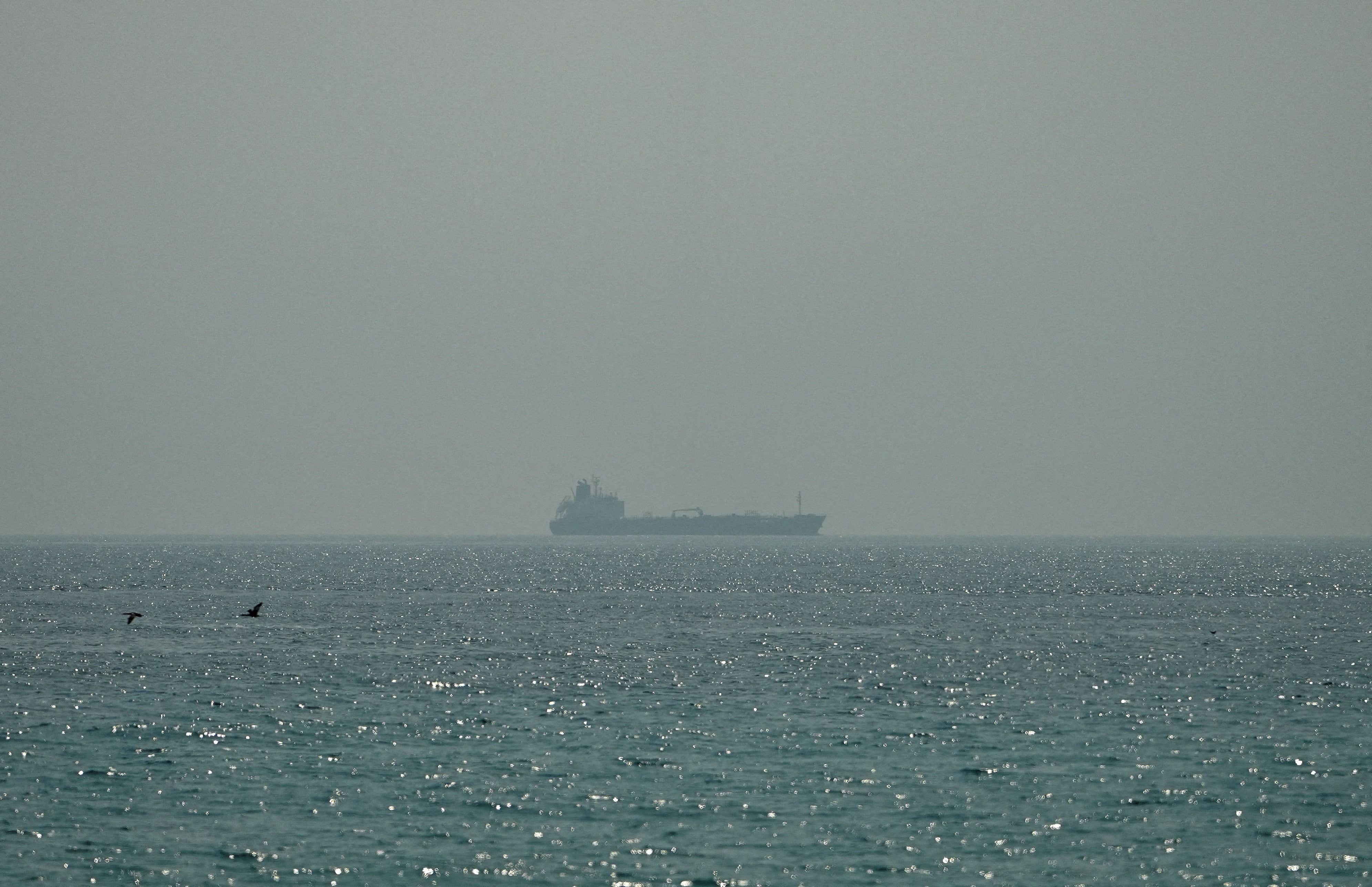
Oman, once a maritime empire that reached from Africa to the Middle East, still plays a crucial role in securing the energy resources of the Gulf region. Despite the ongoing conflict, the sultanate has managed to expand its economy by 4.1 per cent and significantly reduce its debt burden. Its strategic position overlooking the Strait of Hormuz grants it a valuable transit route for goods, including oil and gas exports.
Recently, Oman has begun construction on the Hafeet Rail, a link to the UAE, and will finish a direct connection to the GCC electricity grid by late next year, boosting its renewable energy sector. The nation's oil terminals, such as Mina Al Fahal, Duqm, and Salalah, have faced drone attacks, but the damage suffered has been less severe than that of its Gulf neighbors.
Oman's plans for the Duqm petroleum storage terminal, which will eventually hold 40 million barrels, have faced challenges due to the conflict. However, Saudi Aramco is now studying the feasibility of a 1,000-1,200 kilometre pipeline through the Empty Quarter to bypass Hormuz and deliver oil to Red Sea ports. Oman's strategic importance raises three risks: its proximity to Iran, potential redundancy if peace prevails, and competition with existing Gulf terminals.
While Oman's support for mediation efforts has drawn criticism from some Gulf nations, the country's investments in infrastructure may remain relevant even if existing projects are scaled back.
Written by urgent.news from The National Business's reporting — not their text. Machine-written — may contain errors; check the original before relying on it.
Also reported by 1 other outlet
- Oman could become a cornerstone of Gulf energy security, but risks remain thenationalnews.com