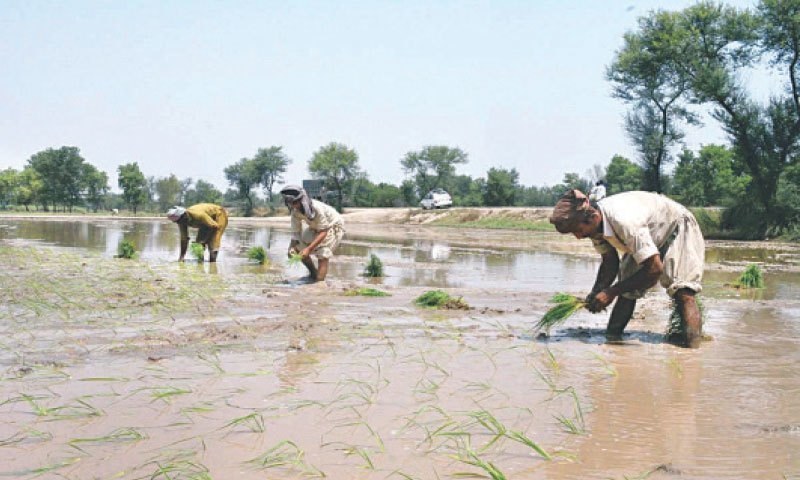
Growers end losers in ‘flawed’ wheat market reform
The coming wheat season, the third since the government abandoned the official support price and suspended traditional large-scale public procurement in April 2025, could prove one of the most uncertain for farmers. The government had promised that a more resilient, market-based wheat-trading system would replace the previous model. Yet, two years on, the promised system has left farmers,…
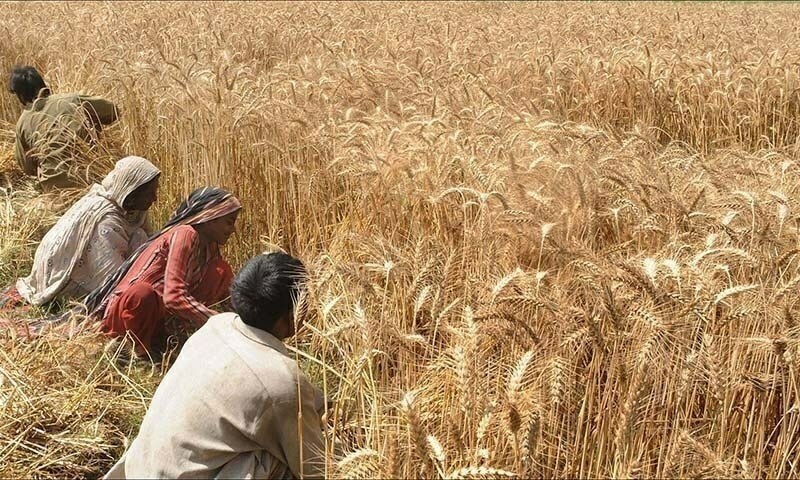
The wheat season, the third since the government ended official support prices and large-scale public procurement in 2025, may prove one of the most uncertain for farmers. Despite promises of a resilient market-based trading system, the reality has left farmers, especially in Punjab, exposed to price volatility with no income security.
Rising production costs, shrinking returns, worsening climate extremes, water scarcity, pest and disease threats, and a manipulated wheat market have made wheat cultivation increasingly risky. Farmers are now questioning whether to continue wheat cultivation or switch to other crops. The problem extends beyond farming risks, as they are unequally distributed across the supply chain, with farmers bearing the brunt of rising input costs, volatile prices, and potential sales below production costs.
The government's withdrawal from support and procurement has left growers with limited control over selling terms. Punjab, the leading wheat producer, has struggled with procurement, procuring only 160,000 tonnes against a target of 2.5 million tonnes. This failure highlights the limits of a procurement model dependent on private buyers without ensuring viable financing and price expectations.
Punjab's refusal to commit to the national wheat target of 25 million tonnes has created uncertainty in national production planning. The federal government's decision to import up to 1 million tonnes of wheat raises questions about coordination between domestic production, procurement, and imports. While farmers face uncertain returns, the wheat price has surged by 150% in the past five years, increasing costs for urban consumers, especially low-income households.
The wheat market reform's true test lies in whether the government can withdraw from its traditional role without providing a credible alternative to protect farmers from market failures.
Written by urgent.news from Dawn Business's reporting — not their text. Machine-written — may contain errors; check the original before relying on it.