US workers facing deadly heat borrow from tomato pickers to win key protections
As efforts to protect people from extreme heat stall, organizers are embracing an approach that targets major brands’ reputations “It’s the kind of heat that makes you feel like you’re being dehydrated, like your skin is drying out,” said Lucas Benitez, after harvesting watermelons with his sons and wife this summer. “The heat that we had 30 years ago is not nearly the heat that we have today.”…
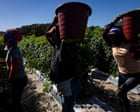
As the US grapples with record-breaking heat this summer, workers in fields, greenhouses, and indoor facilities continue to face dangerous conditions without adequate heat protections. Lucas Benitez, a tomato picker, laments the intensifying heat, which he compares to dehydration and skin drying. The Coalition of Immokalee Workers (CIW), founded in the early 1990s, has been a leading advocate for heat protections.
Their "market-based enforcement" approach targets major brands' reputations, incentivizing companies to pay a small premium for farms that adhere to worker-protection codes of conduct. This strategy has proven effective, with other groups, from dairy farms in Vermont to banana plantations in Ecuador, adapting the model.
However, the tide of federal, state, and local efforts to protect workers stalled. Despite advocates' attempts, Florida passed a pre-emptive law banning local ordinances requiring heat protections for outdoor workers throughout the state. WeCount, a labor group led by immigrant workers, continues to advocate for federal heat protections through proposed Occupational Safety and Health Administration (OSHA) standards.
Roy McAllister, a union director, emphasizes the need for federal measures amid rising temperatures. Meanwhile, the Coalition of Immokalee Workers decided that their tens of thousands of program participants require heat protections to ensure their safety.
Written by urgent.news from Guardian Business's reporting — not their text. Machine-written — may contain errors; check the original before relying on it.