US EV policy uncertainty puts carmakers on the back foot
AgenciesWhile Washington’s efforts to block Chinese electric vehicles (EVs) were originally intended to protect its domestic automotive industry, they have sparked concerns the str...
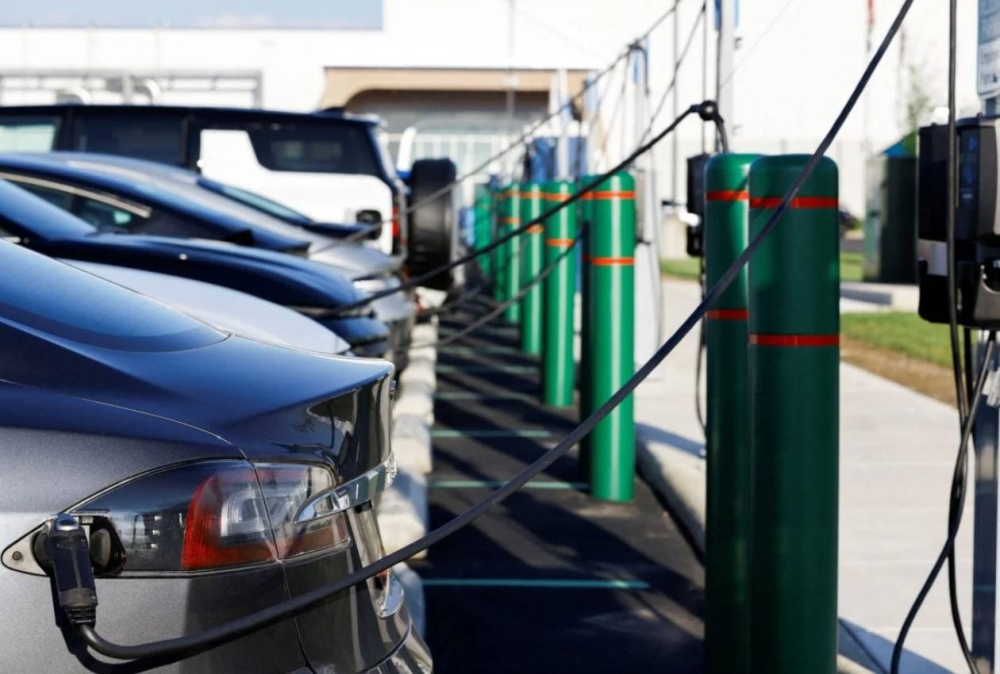
The US government's efforts to restrict Chinese electric vehicles (EVs) have gone awry, potentially harming American carmakers' competitiveness in the EV market. David Zhang, a macroeconomics and policy analyst at Trivium China, stated that the lack of a coherent industrial policy is discouraging long-term investments and hindering the US transition to EVs.
Chinese EV manufacturers face tariffs exceeding 100% in the US, and Washington has imposed restrictions on China-linked software and hardware due to data security concerns. Additionally, US lawmakers have introduced bills seeking to further limit the sales of EVs linked to China.
Zhang emphasized that protectionist measures were intended to give US legacy carmakers time to adjust to competition from Chinese EVs, but such a strategy requires long-term industrial planning and execution. He noted that the US has not only fallen behind in the EV race but has also failed to develop a coherent long-term EV strategy, making it difficult for both Chinese and US carmakers to plan investments that would pay off in the long run.
Policy inconsistency has led US carmakers to scale back EV expansion plans, including cutting production targets and delaying or canceling new EV platforms.
Despite these challenges, Zhang believes that the US market remains attractive for Chinese EV manufacturers due to the market's "significant underserved" demand for affordable EVs. Chinese companies can leverage their advantages in battery technology and low-cost manufacturing in this segment. Moreover, EVs could serve as a potential bargaining chip in future US-China trade talks.
Zhang pointed out that the US market could be a "perfect concession" for US-China trade negotiations, attracting Chinese carmakers seeking to escape domestic price wars and achieve higher profit margins.
There have been signs of flexibility, with former President Trump indicating early in the year that he would allow Chinese car manufacturers to produce vehicles in the US if they built factories that would create jobs. However, this proposal faced opposition from the American automotive industry, with six major trade groups urging Trump to maintain restrictive policies.
Despite the ongoing restrictions and bipartisan support for limiting Chinese carmakers' access to the US market, Zhang suggested that selective firm-level cooperation on technology and manufacturing could be more feasible in areas where American companies see commercial benefits.
Written by urgent.news from Qatar Tribune Business's reporting — not their text. Machine-written — may contain errors; check the original before relying on it.