The alarm bells of the IMF and World Bank must be heeded — Phar Kim Beng
OCTOBER 18 — The annual meetings of the International Monetary Fund (IMF) and World Bank in Bangkok last week have...
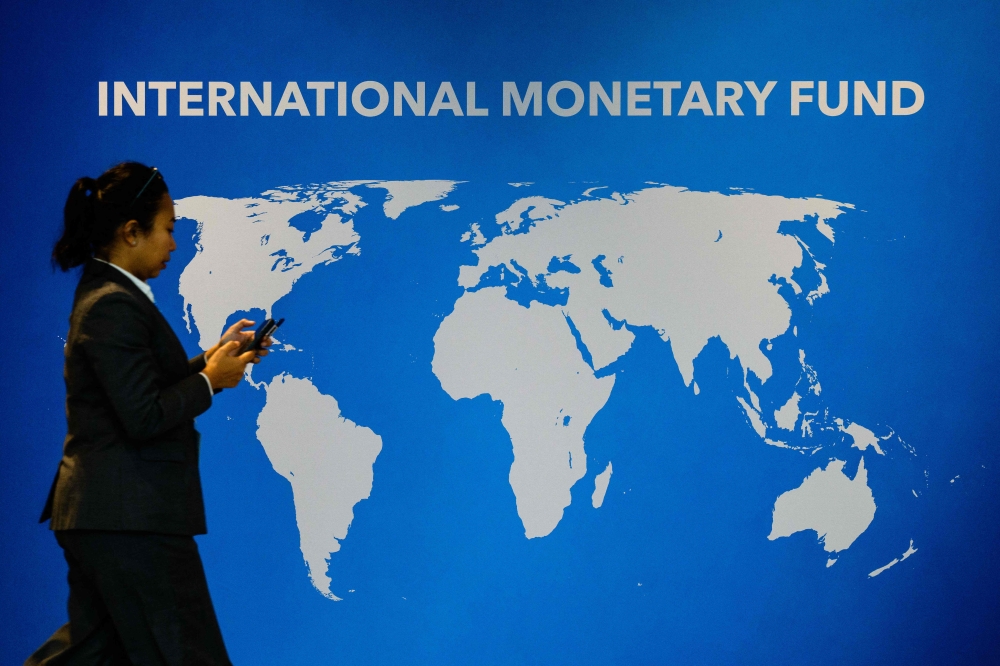
The IMF and World Bank Annual Meetings in Bangkok have delivered a stark warning to governments worldwide, particularly those in the Association of Southeast Asian Nations (ASEAN). IMF Managing Director Kristalina Georgieva described the meetings as a mix of optimism and concern regarding the global economic situation in 2026. Despite the economy's resilience in the face of geopolitical fragmentation, supply chain disruptions, and the Iran conflict, there is growing worry about the fragility of these foundations.
The geopolitical instability could lead to prolonged economic hardship, especially for developing nations.
For ASEAN, the implications are significant. Energy security is a primary concern, as Southeast Asia, while geographically distant from West Asian conflicts, remains connected through international energy markets, maritime transportation, and global trade. Any disruption to oil and gas supplies through the Strait of Hormuz could lead to higher production costs, transportation expenses, and inflation across the region.
Even energy-producing countries like Malaysia could face increased costs from imported goods, logistics, and industrial production.
Another concern is the risk of imported inflation, which is challenging to manage as it stems from external shocks. National governments can adjust interest rates, provide targeted subsidies, and revise fiscal priorities, but they cannot independently restore damaged energy infrastructure or guarantee the free passage of commercial vessels through strategic maritime chokepoints.
The IMF's acknowledgment of its responsibility to assist countries grappling with price shocks from the Iran conflict underscores the moral and institutional dimension of international economic governance. Developing nations often face higher borrowing costs, limited foreign exchange reserves, and difficulties financing essential imports, making them particularly vulnerable to rising energy and food costs.
The World Bank's mandate emphasizes the need for financial assistance accompanied by measures to protect food security, strengthen social protection, and maintain investment in education, healthcare, and essential infrastructure. The increasingly intertwined relationship between geopolitics and economics is also a critical factor.
Geopolitical tensions can impact international insurance premiums, shipping routes, and semiconductor production, exposing the modern economy to multiple geopolitical shocks simultaneously. ASEAN must recognize these vulnerabilities not as isolated emergencies but as structural characteristics of the modern, complex international system.
Lastly, ASEAN's collective economic resilience is crucial. The region has demonstrated stability during past international uncertainties, such as the Asian Financial Crisis of 1997-1998, the 2008 Global Financial Crisis, and the Covid-19 pandemic. However, the current challenges are different. ASEAN is dealing with energy insecurity, geopolitical fragmentation, technological competition, climate-related disasters, and persistent uncertainties surrounding international trade.
No single member state can manage these challenges independently. Closer coordination through Asean Plus Three (involving China, Japan, and South Korea) and the Chiang Mai Initiative Multilateralisation, regional financial surveillance, and cooperation are essential for strengthening regional financial preparedness.
Written by urgent.news from Malay Mail's reporting — not their text. Machine-written — may contain errors; check the original before relying on it.