Smartphones: Akku fast leer? Manch Handynutzer lässt Verabredung platzen
Handys sind nicht mehr wegzudenken aus dem Alltag. Und wenn deren Akku fast leer ist? Powerbanks wären eine Lösung für unterwegs. Trotzdem wird manch Nutzer dann arg nervös, wie eine Umfrage zeigt.
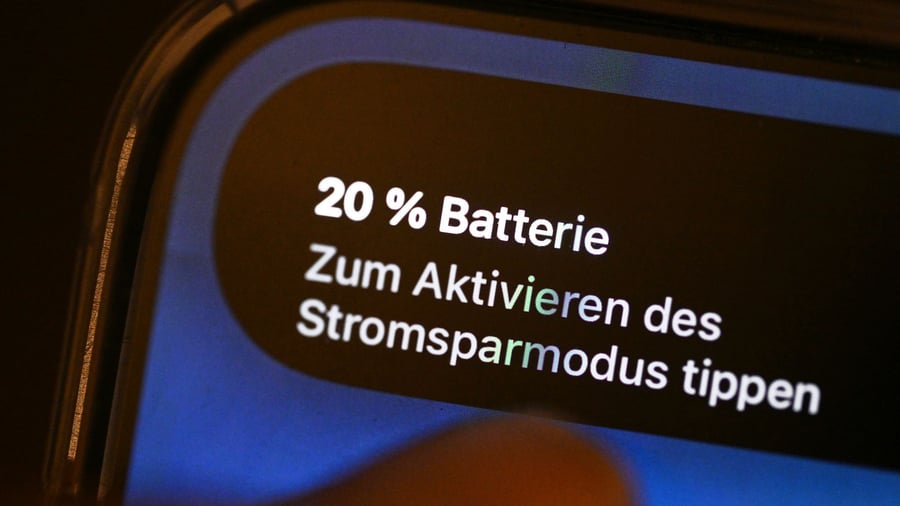
In a recent survey conducted by Vodafone in Düsseldorf, seven percent of respondents admitted to canceling a pre-planned date due to their smartphone battery dying. The study, carried out among 2,500 adults by the opinion research firm Civey in early October, revealed that younger users are particularly attached to their smartphones.
The participants were categorized into five age groups. In the 18-29 age group, nearly one-third (31 percent) reported canceling a date due to a low battery, compared to one in ten (10 percent) of those aged 30-39. In the remaining age groups, only one to two percent admitted to doing so. The findings suggest that older individuals remain relatively calm as their battery percentage decreases.
The survey also asked participants at what battery percentage they start feeling anxious and searching for a charging option. Nearly one in four (23 percent) said they became restless with less than 20 percent battery, while one in six (16 percent) felt it became important at 10 percent, and one in twenty (5 percent) at 5 percent.
Around one in four (26 percent) found a low battery level unimportant. Vodafone Germany's CEO, Marcel de Groot, interpreted the results as evidence of the smartphone's significance in everyday life. "The smartphone is much more than a phone nowadays: it's a navigation aid, camera, entertainment center, and even a car key," said de Groot.
"For many, it has become an indispensable companion, helping them organize a significant portion of their daily lives." The survey demonstrates the extent to which digital and real worlds have become intertwined, as a low battery level even causes young people to alter their daily plans.
Written by urgent.news from Handelsblatt's reporting — not their text. Machine-written — may contain errors; check the original before relying on it.