PRIVATISATION PIVOT: Port in peril — former Transnet workers recalled to cover for Durban Gateway Terminal
Minister of Transport Barbara Creecy has tried to ease the concerns of a shipping industry which is losing patience with Durban harbour, but workers say they have been short-changed by Transnet’s private sector alliance.
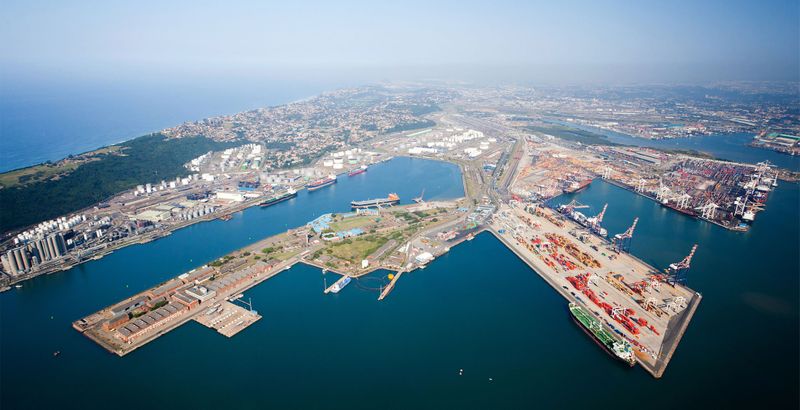
South Africa's Port of Durban, the continent's busiest container port, is facing renewed challenges as former Transnet workers are recalled to assist in operating the Durban Gateway Terminal (DGT). The terminal, previously known as Pier 2, handles nearly half of South Africa's containerised freight volumes. Minister of Transport Barbara Creecy recently visited the port to address concerns and reassure stakeholders that improvements are underway.
However, workers on the ground claim that the situation remains dire, with cargo delays persisting and operational efficiency far from satisfactory. The Southern African Association of Freight Forwarders (Saaff) reported that DGT was operating at below pre-crisis levels and failing to catch up to the current delays of 18-21 days.
Jacob van Rensburg, head of research at Saaff, noted that vessel delays averaged approximately 251 hours at anchorage and 127 hours alongside, and that only 10,000 containers are expected to be discharged via Pier 1/Point, redistributing rather than eliminating pressure on the Durban container system.
Transnet and ICTSI, the Philippines-based company managing DGT, have been working to resolve issues with a new IT system, but workers maintain that the situation has not improved significantly. DGT's Chief Executive Javier Lancha confirmed that plans are in place to replace the current truck appointment system with a modernised digital solution called Navigate, but further details on its implementation remain unclear.
The minister acknowledged the frustrations of the logistics sector and promised structured engagements with customers to improve communication and address concerns. Creecy emphasized that the performance of the terminal directly impacts the health and competitiveness of the economy. She also stated that the current capacity for the port as a whole is around 2.9 million TEUs, with a goal of growing this number to 11.4 million, of which roughly 4.4 million would pass through DGT.
Written by urgent.news from Daily Maverick's reporting — not their text. Machine-written — may contain errors; check the original before relying on it.