Khyber Pakhtunkhwa emergency: How Pak's policies fueled province's security crisis
Pakistan has declared a state of emergency in Khyber Pakhtunkhwa, suspending the regional government and centralizing control. This decision comes in response to the deteriorating security situation and ongoing protests against the authorities. The move has prompted a crackdown on opposition leaders, further limiting political dissent and freedom. Additionally, residents are facing renewed…
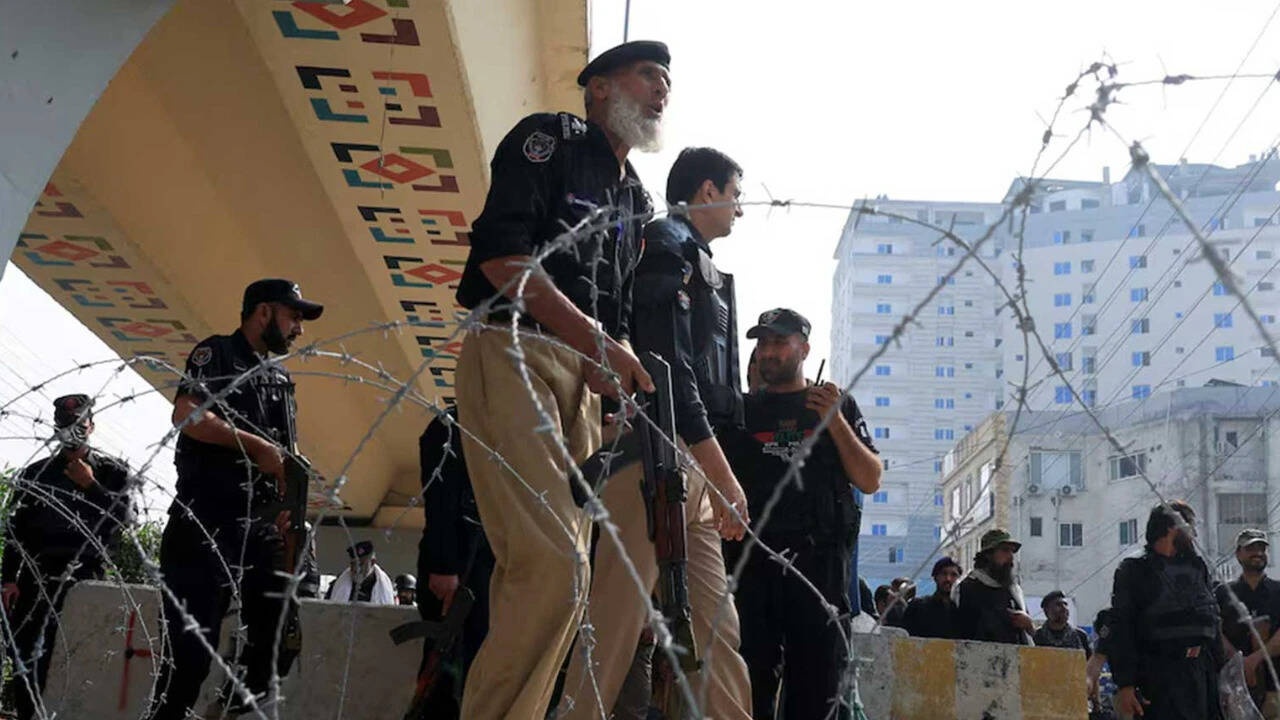
Pakistan's imposition of emergency rule in Khyber Pakhtunkhwa has placed the province under direct federal control, suspending the regional administration led by former Prime Minister Imran Khan's Pakistan Tehreek-e-Insaf (PTI). This move, which invokes Articles 232 and 234 of the Constitution, comes amid a worsening security situation and a crackdown on opposition leaders and protesters.
Critics argue that Pakistan's decades-long policy of using militant groups for strategic gains has fueled the violence now threatening its own territory. The emergency has extended federal control across 12 districts in Khyber Pakhtunkhwa, further weakening elected authority in a province that has long borne the consequences of Pakistan's security policies.
The concentration of power in unelected authorities, alongside the military's expanding role in civilian affairs, has raised concerns over the state of democracy in Pakistan.
Brief written by urgent.news from Times of India's own syndicated text. Machine-written — may contain errors; check the original before relying on it.