How Mexico and Türkiye connect through food, family and history
Although geographically disparate, strategic trade partners Mexico and Türkiye share some cultural similarities, including incredibly rich food traditions, writes Louisa Rogers. The post How Mexico and Türkiye connect through food, family and history appeared first on Mexico News Daily
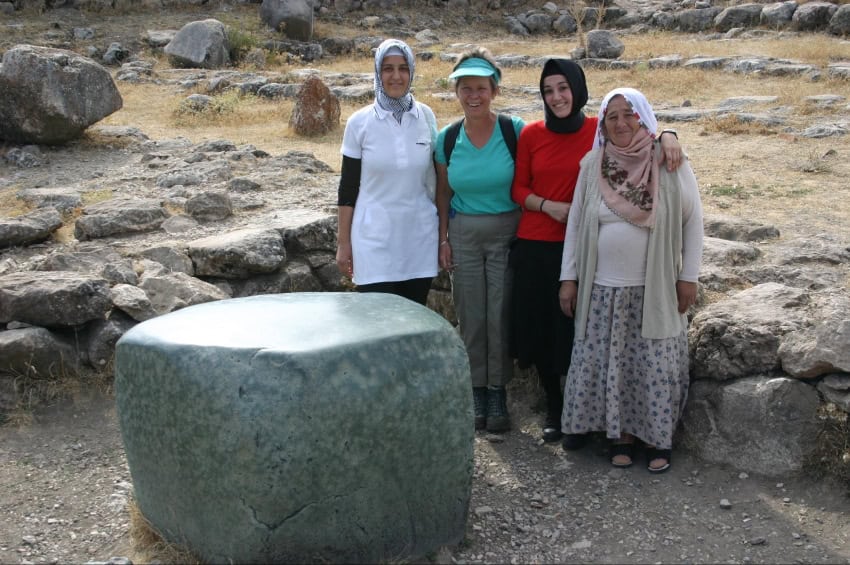
Mexico and Türkiye, despite their geographical, historical, and religious differences, share numerous similarities. These include strong family values, vibrant and hospitable cultures, rich food traditions, a focus on community, and a preference for late-night lifestyles.
Both countries place great emphasis on family unity, with close-knit families that depend on each other for daily support. Mexican and Turkish families often gather to share large, multigenerational meals over the weekend.
In terms of community, both nations feature traditional "third spaces" where people gather. In Mexico, public plazas or zócalos serve as social hubs, while in Türkiye, coffee shops, teahouses, and public baths (hammams) act as centers for gathering. Modern espresso bars have also become popular in both nations, attracting both tourists and digital nomads.
Street food plays a significant role in both cultures, representing a vital part of their culinary experiences. Mexico's street food scene boasts well-known dishes such as tacos, tortillas, tamales, churros, tlayudas, elote, and gorditas. In Türkiye, popular street foods include börek, simit, and pide.
Both Mexico and Türkiye have strong "late-night" cultures, beginning their days later than countries like the United States. In Mexico, many shops do not open until late morning, while in Türkiye, it can be challenging to find coffee before 9 a.m. in non-urban areas.
Despite their religious differences, both Mexico and Türkiye have experienced secularization periods to distance themselves from religious institutions. Mexico's secularization began in the 1860s, while Türkiye became a secular state in 1928.
Both countries possess rich archaeological legacies, with numerous empires that influenced their histories. In Mexico, the Olmecs, Mayas, Toltecs, and Mexica civilizations left behind remarkable ruins. Türkiye's history encompasses the Hittites, Greeks, Romans, Byzantines, and Ottomans, with numerous ancient Greek and Roman ruins scattered throughout the country.
Furthermore, Mexico and Türkiye share geopolitical parallels as middle powers with significant international influence. They have established diplomatic relations since 1927 and elevated them to a strategic partnership in 2013. Both nations are considered "middle powers" in global terms, possessing considerable importance in international affairs.
Written by urgent.news from Mexico News Daily's reporting — not their text. Machine-written — may contain errors; check the original before relying on it.