How China made climate resilience part of its economic growth strategy
The war in the Middle East has disrupted oil and gas supplies, leaving governments to confront energy pressures as they prepare for next month’s Cop31 UN climate conference in Antalya, Turkey. The crisis raises an enduring question: how can climate action strengthen the resilience of an economy? China offers a useful case. Its factories supply technologically advanced products essential to the…
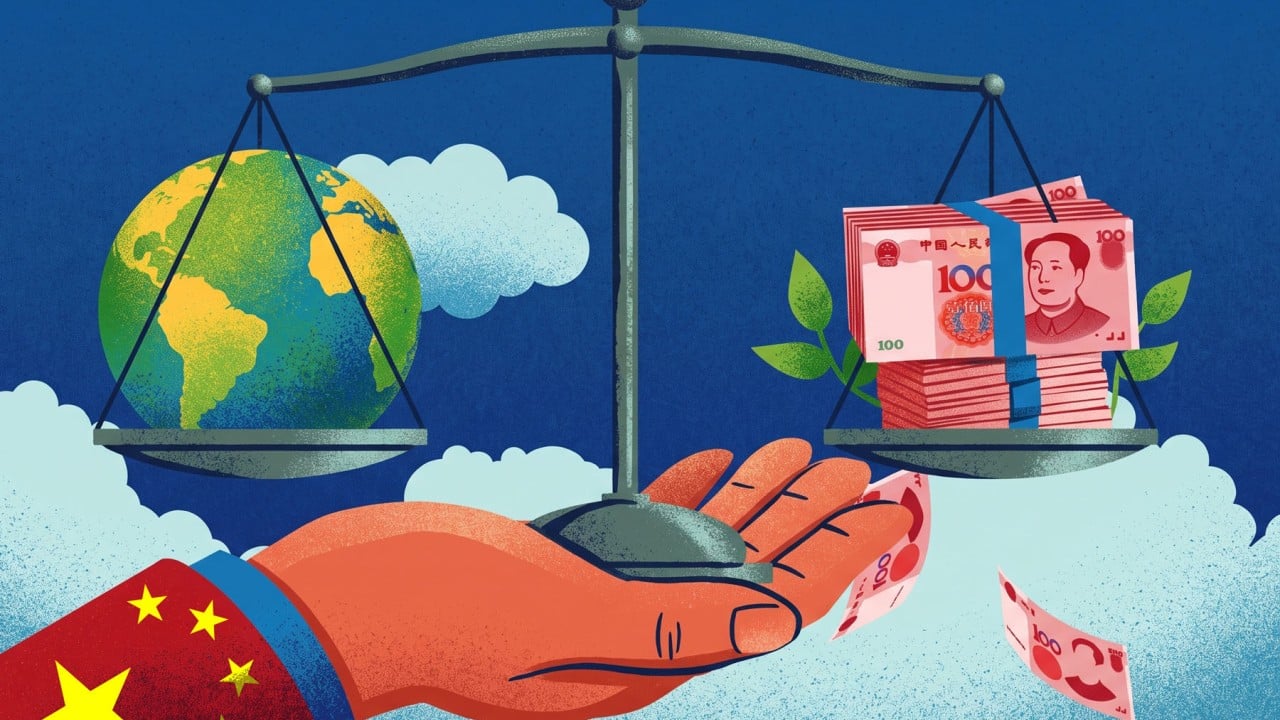
The war in the Middle East has disrupted oil and gas supplies, prompting governments to address energy pressures while preparing for the upcoming Cop31 UN climate conference in Antalya, Turkey. This crisis highlights an important question: can climate action enhance an economy's resilience? China provides a valuable example. Its factories produce technologically advanced goods necessary for the green transition at competitive prices, thanks to cost advantages in electric cars, batteries, and equipment for wind and solar power.
At the core of this development strategy is the integration of climate objectives into industrial policy and planning, which transforms the transition into a purpose beyond mere compliance with international agreements. This approach aims to safeguard people's living environments, modernize production, and generate growth opportunities.
Understanding this connection is crucial for nations seeking to balance lower emissions with industrial growth. A 2023 study by the UN Environment Programme Finance Initiative sheds light on this relationship. China's green banking system aligns national priorities with businesses through policy directives, investment standards, and financial incentives.
Companies require clear investment opportunities, while banks need incentives to finance such ventures. The philosophical underpinning of this strategy is the concept of "ecological civilization," which places a harmonious relationship between economic activity and the natural environment at the heart of China's development vision.
This ambition seeks to reshape growth by shifting from resource-intensive production to innovation, advanced technology, and higher productivity.
China's 2021 working guidance on carbon dioxide peaking and carbon neutrality operationalizes this vision, mandating that climate goals be integrated into development plans across all sectors and regions. The 2025 white paper "Carbon Peaking and Carbon Neutrality: China's Plans and Solutions" further links climate action to technological progress and economic upgrading.
By doing so, it creates business opportunities and enhances competitiveness through cleaner production. For companies contemplating cleaner production, confidence in product demand and access to affordable financing are essential. Industrial and financial policies can create these conditions, making climate objectives integral to business development decisions.
China's production advantages and supply chains, bolstered by policy and financial support, are well-documented by the International Energy Agency. The 2024 guidelines on accelerating China's comprehensive green transition bring together industrial and energy changes with fiscal measures, investment support, and greener consumption.
Supervisory measures encourage banks to consider environmental risks, while project catalogues identify activities eligible for green finance, guiding lending decisions. The central bank's Carbon Emission Reduction Facility, introduced in 2021, exemplifies this linkage by providing low-cost funding to qualified lenders for clean energy and emissions reduction projects, thereby incentivizing banks to support projects aligned with national climate goals.
Green finance promotion and environmental risk management reinforce each other. Financing cleaner technologies aids companies in mitigating exposure to stricter environmental regulations, while assessing these risks helps banks evaluate the viability of investments. Implementation must also consider local economic conditions. China combines national direction with local pilot projects, mindful of the pace and sequence of change.
The principle of "establishing the new before discarding the old" ensures that replacement capacity is developed before existing capacity is retired, ensuring reliable energy and continuity of production for businesses and households. Essential industries like steel, cement, and chemicals require transformation through investment in cleaner production processes, efficient equipment, and renewable energy.
Financing these industries should be tied to measurable emissions reductions, ensuring that projects contribute to actual progress in emission cuts.
While China has not yet achieved its green economy goals, it acknowledges the significant role of coal and traditional industries. The 2024 guidelines recognize the importance of sustained emissions reductions and support for workers and communities affected by industrial change. Countries interested in adopting China's experience must tailor their institutional approaches to their unique political systems and administrative capacities.
Ultimately, the coherence of climate goals, industrial policy, and financial incentives is vital, and responsibility for implementation must be clearly defined. Isolating subsidies or green labels is insufficient; a comprehensive approach is necessary. Additionally, cooperation with China offers valuable insights into balancing climate objectives, industrial policy, and financial incentives to foster sustainable and resilient economic growth.
Written by urgent.news from South China Morning Post's reporting — not their text. Machine-written — may contain errors; check the original before relying on it.
Also reported by 1 other outlet
- China’s growth expected to miss official target in third quarter freemalaysiatoday.com