Dozens of orangutans saved from Indonesia blazes as region grapples with haze
Dozens of critically endangered orangutans have been rescued in recent weeks from rampant wildfires burning across Indonesia that have cloaked the region in toxic haze, conservation groups said.

Recent weeks have seen conservationists rescue dozens of critically endangered orangutans from raging wildfires that have engulfed Indonesia and blanketed the region in toxic haze, according to conservation groups. Singapore endured the longest stretch of unhealthy air levels since the most severe haze crisis in Southeast Asia in 2015, officials told AFP.
The wildfires ignited a multi-month pollution spell that has shuttered schools, spiked respiratory ailments among people and animals, and curtailed outdoor activities in Indonesia, Malaysia, Singapore, and East Timor. Pollution levels fluctuated from unhealthy to very unhealthy across the area on Sunday, as fires persisted in Borneo and Sumatra islands, fueled by a powerful El Niño weather event.
Singapore and Kuala Lumpur were ranked among the world's top five most polluted major cities by Swiss-based air quality monitor IQAir on Sunday, with the city-state experiencing the longest period of unhealthy air since 2015, according to Jason Evans Tan, deputy director at Singapore's National Environment Agency. The haze spell began on October 5.
In Indonesia, agencies are rescuing wildlife, including orangutans, from the infernos. On Saturday, the West Kalimantan conservation agency and Indonesian nonprofit YIARI reported that a team had evacuated 51 orangutans from the province between August 6 and October 19, with the total number of rescued oranguttes over recent months potentially reaching 96. The exact count was not immediately available.
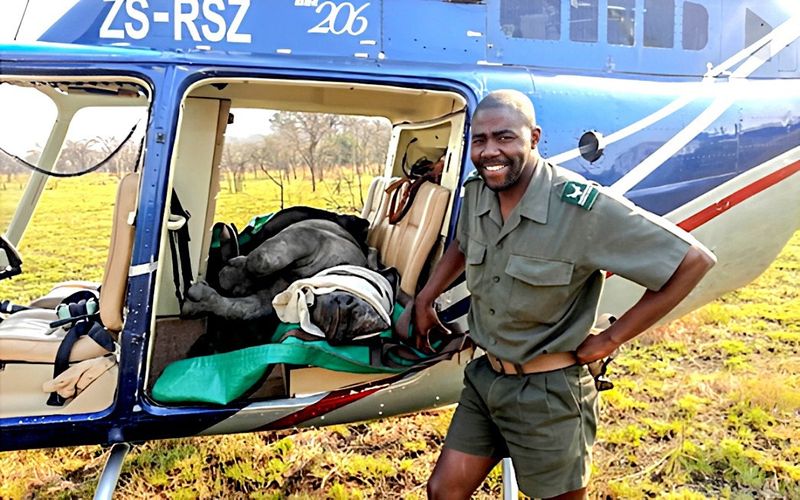
Three conservation groups saved a 20-year-old male orangutan named Hampangen from Hampangen village in Central Kalimantan on Borneo island on Saturday. The rescue involved sedating the animal, conducting a health examination, and transporting the orangutan to a rehabilitation center. WWF Indonesia's conservation coordinator Fenky Wirada noted that a few orangutans remained in small forest patches.
Indonesia's transport ministry reported that around 2,400 flights across the country have been impacted by the haze since mid-August. The haze reduces visibility at airports, leading to delays, disruptions, and potential flight cancellations. Malaysian Prime Minister Anwar Ibrahim suggested on Sunday that Malaysia has proposed establishing a regional cooperation mechanism within the 11-member Association of Southeast Asian Nations to coordinate a response to cross-border fires, emphasizing the need for determination and shared responsibility among neighboring countries.
In Singapore, PM2.5 concentrations remained elevated in western areas on Sunday, with the 24-hour Pollutant Standards Index dipping into the "very unhealthy" range at times. While PM2.5 is the dominant pollutant during haze episodes and one of six indicators used to calculate Singapore's overall PSI, it is distinct from the PSI itself.
Atmospheric sciences expert Wang Jingyu from Singapore's Nanyang Technological University explained that the region is under a super El Niño weather phenomenon, which has resulted in cooler-than-normal sea surface temperatures, leading to insufficient evaporation, inadequate rainfall, and difficulty in extinguishing fires due to dry conditions exacerbated by typhoon systems elsewhere in eastern Asia.
Written by urgent.news from Phys.org's reporting — not their text. Machine-written — may contain errors; check the original before relying on it.