China’s growth expected to miss official target in third quarter
Beijing targets 4.5% to 5% annual growth, but economists estimate third-quarter growth at 4.4%, slightly up from 4.3% in the second quarter.
China's economic growth is anticipated to fail to meet its official target for the third quarter, according to economists. The slowdown is attributed to a combination of global energy shocks, weakening domestic demand, and highly lucrative exports, which are currently the economy's only positive trend. Beijing is targeting an annual growth rate of 4.5% to 5% for this year, the lowest since decades, but a recent AFP poll of economists suggests growth fell slightly below this range, sitting at 4.4% from July to September.
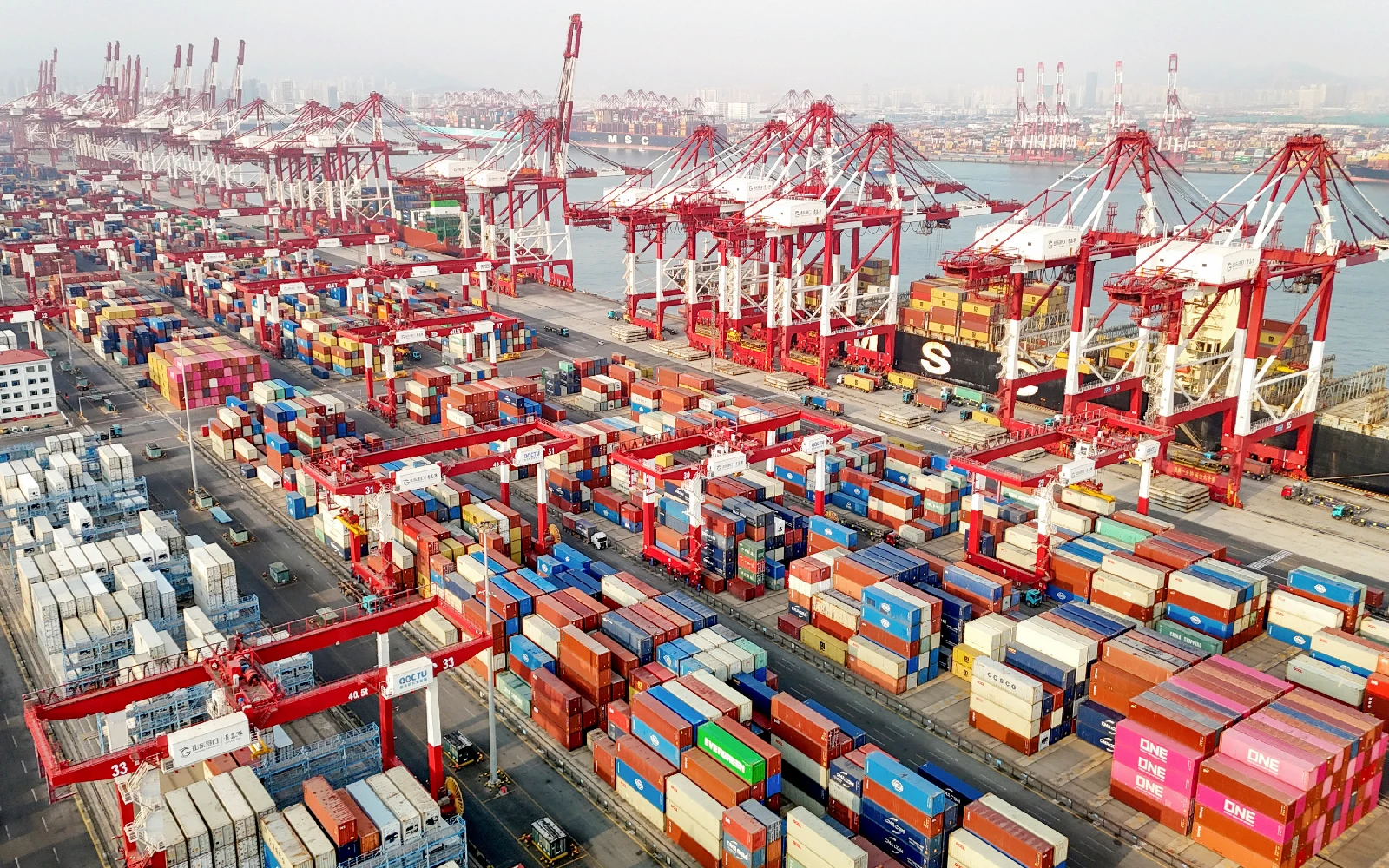
Export growth is the only area where China is thriving. Guo Shan of Hutong Research noted that exports are outperforming other sectors and might be the only reason China does not miss its official target for the year. This has prompted Beijing to roll out mortgage subsidies for certain home purchases and bolster infrastructure investment.
The Chinese economy is further pressured by the surging cost of energy due to the US-Iran conflict, which has disrupted shipping from the oil-rich Gulf. As China is the world's largest importer of crude oil, higher crude prices and structural headwinds have led to the International Monetary Fund downgrading its projection for China's annual growth to 4.5%.
Economists believe that China's economy needs to transition towards a more sustainable growth model driven by domestic consumption rather than traditional drivers like construction, property development, and exports. This long-awaited rebalancing has yet to take place. IMF Asia and Pacific department director Krishna Srinivasan stated that Beijing's recent support measures are limited.
Experts argue that rebalancing the Chinese economy is crucial, but so far, it has not happened. China's exports, primarily driven by global demand for AI-related products, remain a positive aspect. However, surging surpluses are straining China's relations with key trading partners, such as the EU and the US. Recent talks between EU trade chief Maros Sefcovic and Chinese counterpart Wang Wentao resulted in an agreement to limit the export of Chinese hybrid vehicles to Europe.
Critics argue that Beijing's extensive subsidies have given domestic industries an unfair advantage in foreign markets. Meanwhile, domestic demand issues have further complicated the situation as manufacturers increasingly seek growth opportunities abroad.
Written by urgent.news from Free Malaysia Today's reporting — not their text. Machine-written — may contain errors; check the original before relying on it.
This story
This is one outlet's version. Read the fullest account.