Now AI can read your mind, do we need cameras any more?
Brain-IT uses fMRI scans to read the human mind and reconstruct what is seen. All without a camera. It can even read your dreams.
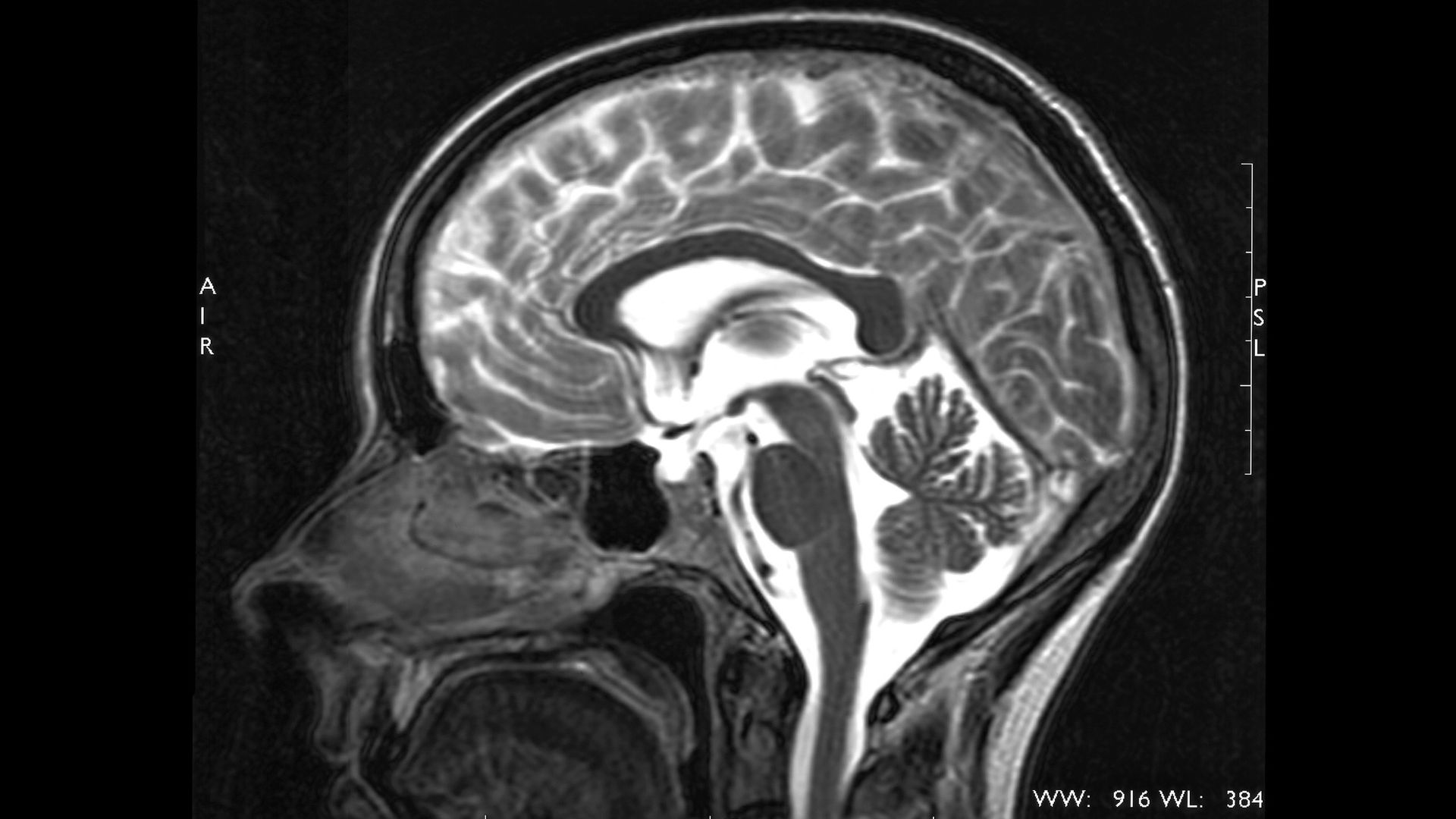
A newly developed technology called Brain Interaction Transformer (BIT) can interpret brain waves as visual images using artificial intelligence, prompting the question of whether cameras will soon become obsolete. Researchers at the Weizmann Institute of Science, led by Roman Beliy, have made significant progress in this field, building upon previous academic works dating back to 2013.
The technology employs functional magnetic resonance imaging (fMRI) to scan brain activity and predict the corresponding visual image by analyzing 3D pixels or voxels.
The study involved training the AI to interpret photographic images and fMRI scans, with researchers using the Natural Scenes Dataset (NSD) containing 73,000 pairs of images. While accuracy is still not perfect and requires longer training periods, the results are far more accurate than previous models. The research raises concerns about privacy, as the technology could potentially capture images from dreams while the user is asleep, or even be used to monitor the visual thoughts of individuals with conditions like OCD.
However, the implications of this technology extend beyond helping those with specific forms of blindness gain improved vision. As the scientists continue to refine the technology, the possibility of recording and printing out memories from one's own brain becomes a tangible reality, challenging our current reliance on cameras for capturing visual information.
Written by urgent.news from Digital Camera World's reporting — not their text. Machine-written — may contain errors; check the original before relying on it.