‘How many canaries have we killed in the coal mine?’ — Wall Street debates if the latest AI bubble warnings are another head fake or the real thing
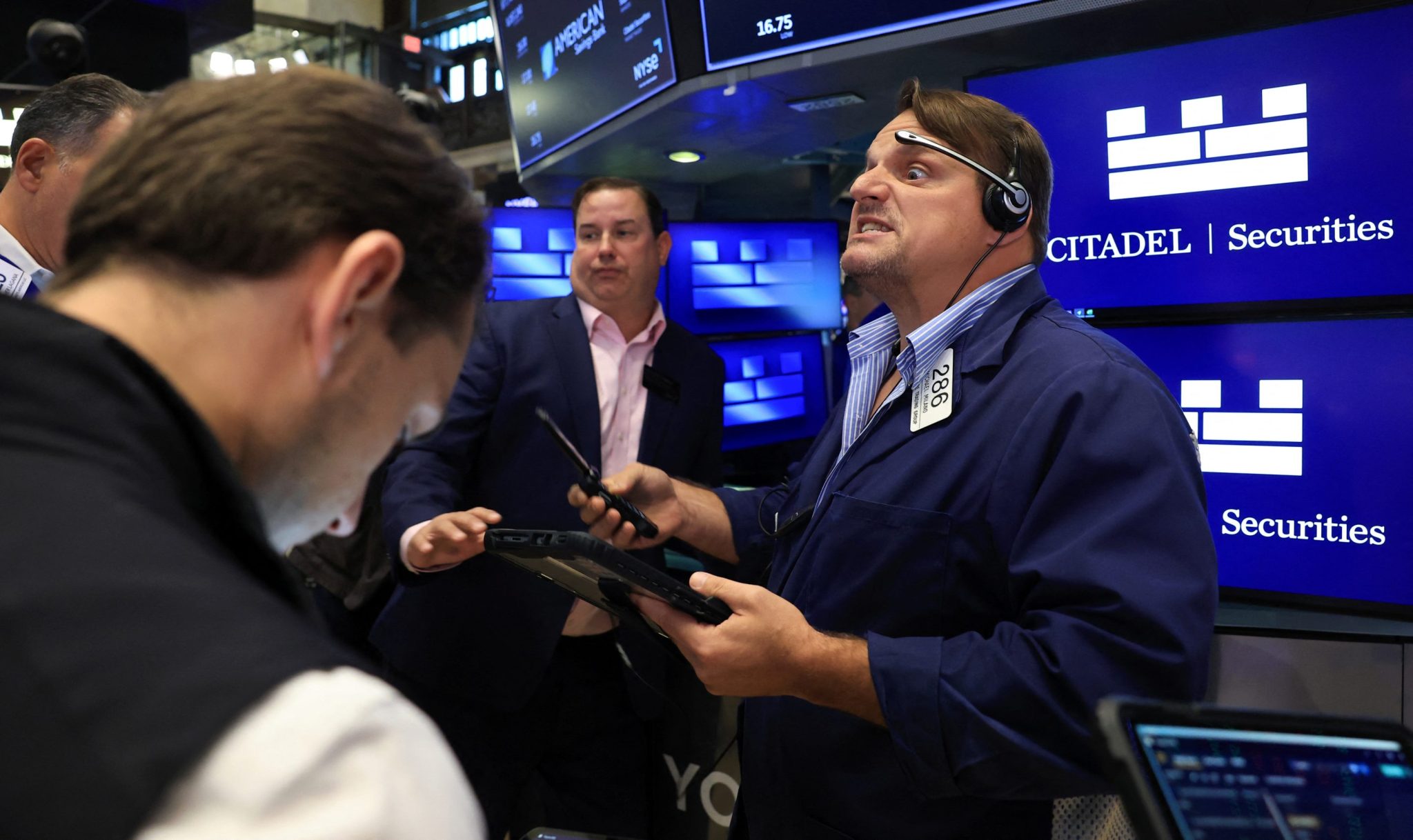
Wall Street is questioning whether the latest buzz about AI being a bubble is a genuine concern or simply another false alarm. The debate has been fueled by Nvidia's market cap hitting multiple trillion-dollar milestones, AI hyperscalers' heavy borrowing, and soaring expenses. DeepSeek's sudden rise also added to the anxiety. Sam Altman even admitted to an AI bubble existing.
Despite these concerns, earnings for AI companies have been strong, and stocks have continued to climb to all-time highs. However, the question now is if the spending will generate sufficient returns, potentially leading to debt issues like CoreWeave's recent slump and higher credit default swaps. Dan Greenhaus, a strategist at Solus Alternative Asset Management, said CoreWeave isn't a reliable indicator of an AI bust, as many red flags over the past three years have been present without leading to an end.
The main worry now is whether higher borrowing costs will make it impossible for AI companies to keep financing themselves. CoreWeave CEO Mike Intrator countered this by stating markets can misinterpret situations and that the company's deal backlog is sufficient to meet debt obligations. Nvidia CEO Jensen Huang also expressed optimism about CoreWeave.
Analysts at Bank of America warn that AI's capital cycle may end in disappointment, as high early profit margins often lead to overinvestment and increased competition. So far, AI revenue projections at data centers fall short of the $8.5 trillion needed to offset costs, highlighting the risks of this booming sector.
Written by urgent.news from Fortune's reporting — not their text. Machine-written — may contain errors; check the original before relying on it.