Children have fundamental right to internet: Supreme Court warns against blanket ban
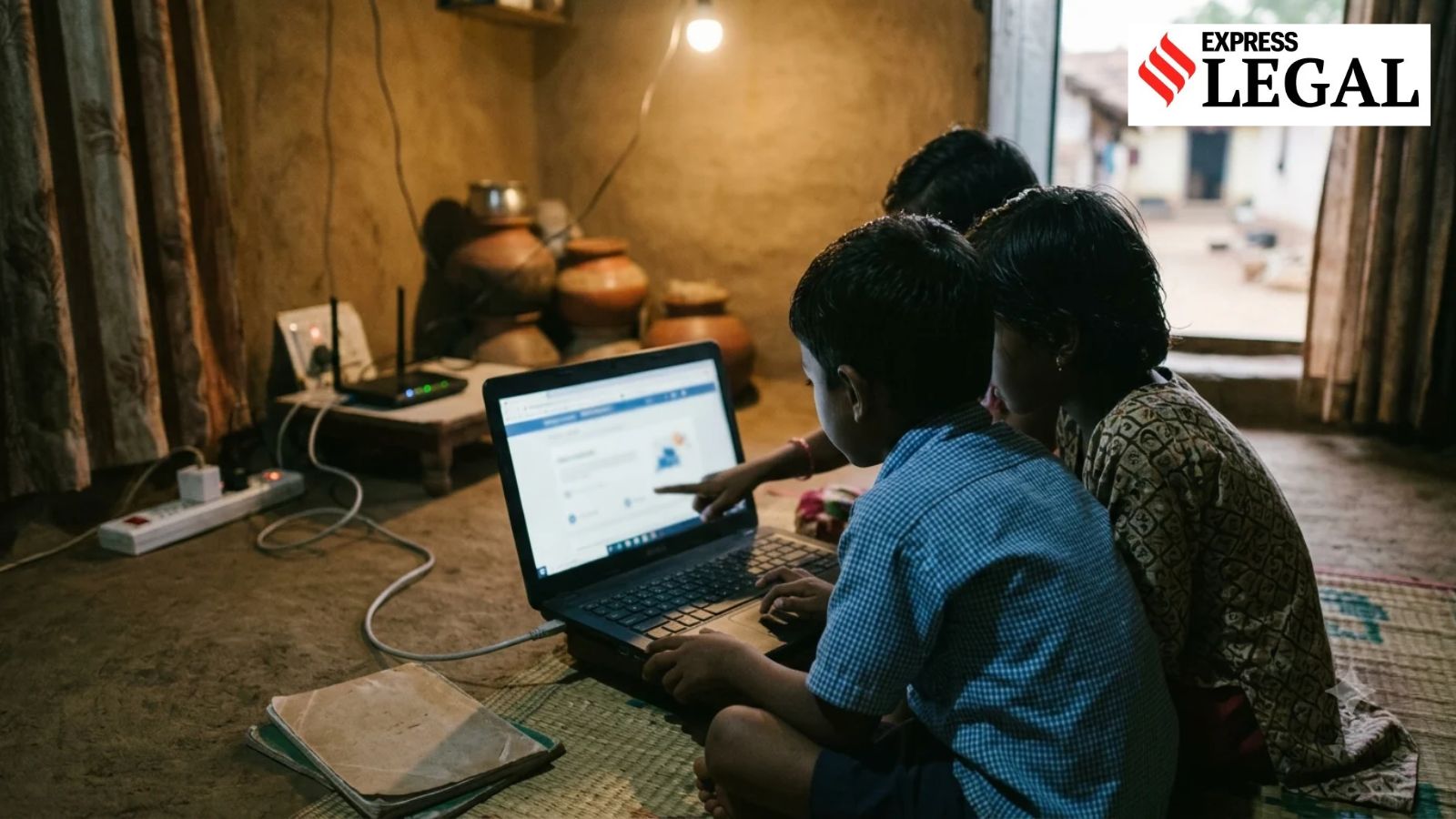
The Supreme Court has ruled that children have a fundamental right to access the internet, rejecting blanket bans and emphasizing the importance of protecting both their safety and freedom online. The court, in a ruling on October 15, expressed concern over gaps in safeguarding measures previously issued by the court. Justices J B Pardiwala and K V Chandran emphasized that children, regardless of age, should enjoy the same internet freedoms as adults, stating that denying these freedoms would be unreasonable.
The court addressed a petition filed by the child rights NGO Just Rights for Children Alliance and another applicant, claiming social media platforms failed to report child sexual exploitation and abuse material (CSEAM) to Indian authorities. They sought uniform reporting procedures, a centralized portal, and action against non-compliant intermediaries. The court directed the government to create a national database of digital identifiers and URLs linked to confirmed abusive material to aid in detection and removal.
The court acknowledged that children's needs for safety and internet freedom are not mutually exclusive, warning that restrictions could force children to use the internet secretly and expose them to greater risks. It suggested that instead of a blanket ban, measures such as parental consent, child mode settings, and private accounts by default should be implemented.
These precautions could include restricting contact with unknown adults, moderating advertisements, and filtering content accessible to children. For pre-teens, the court recommended proportionate ways to verify parental consent, leaving the specifics to the government.
Additionally, the court ordered the creation of a National Hash and URL List Database to facilitate the detection and removal of CSEAM. This database will allow platforms to automatically identify and remove matching abusive material, rather than relying solely on individual company complaints or separate lists. The court emphasized that each entry in the database must undergo multiple levels of verification, with the final assessment conducted independently by at least three trained human analysts.
The database will contain only relevant hashes and URLs, not the abusive material itself, and records and audit mechanisms will be established, along with an effective grievance-redressal process for cases of wrongful identification and removal.
Written by urgent.news from The Indian Express's reporting — not their text. Machine-written — may contain errors; check the original before relying on it.
This story
This is one outlet's version. Read the fullest account.