Conversion and reservation: What the Supreme Court ruled | Explained
The controversy in the case of Secretary to Government versus Sameer Ahamed N. began with a man, born to Hindu parents in 1993 at Thoothukudi district in Tamil Nadu, voluntarily converting to Islam in September 2015
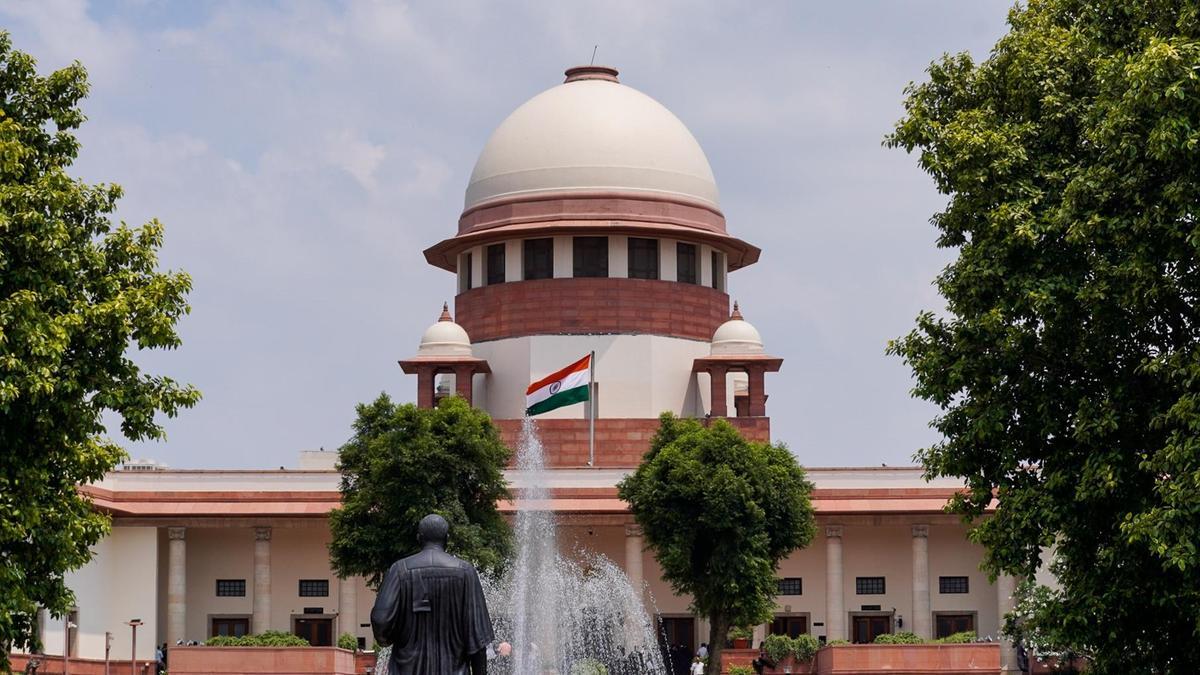
The Supreme Court of India recently ruled on a controversial case involving the denial of reservation benefits to individuals who convert from Hinduism to Islam. The case, filed by Sameer Ahamed N., a man born into a Hindu family, centered around his voluntary conversion to Islam in 2015. The Supreme Court, in an October 15th judgment, ruled that a Hindu who converts to a "non-Hindu order" cannot claim the benefits of reservation under Article 16(4) of the Constitution, solely based on the pre-conversion social backwardness.
The controversy surrounding the case stems from the court's decision to deny reservations to converts, despite their previous social and educational disadvantages.
Written by urgent.news from The Hindu's reporting — not their text. Machine-written — may contain errors; check the original before relying on it.