Beyond the headlines: How the UK MEET Fellowship is changing the way we approach Science Journalism
Five days can feel like a short time, but my experience at the UK Media and Emerging Technologies (UK MEET) Fellowship has reminded me how much can change when journalists are challenged to question what they know, interrogate evidence and approach familiar stories from a different perspective.
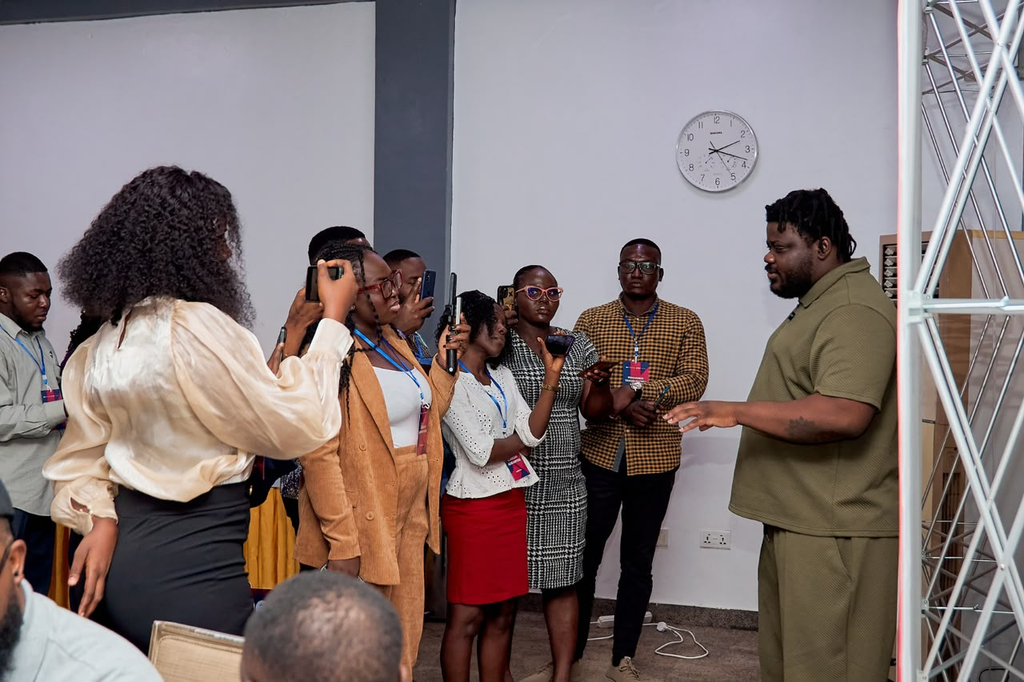
The UK Media and Emerging Technologies (UK MEET) Fellowship has demonstrated how journalists can approach science journalism with a critical mindset. Over five days in Accra, participants were challenged to question headlines, distinguish fact from claim, and understand the evidence behind scientific stories. Through simulations, they learned to handle pressure, verify information, and identify gaps in knowledge.
The fellowship examined topics like artificial intelligence, health claims, and emerging technologies, stressing the need to look beyond impressive statistics and consider methodology, independent testing, and real-world implications. A key takeaway was translating complex research into relatable stories, highlighting the responsibility of science journalism to ask the right questions, identify missing perspectives, and show how research impacts daily life.
Participants also developed story ideas, like investigating AI tools used by Ghanaian teachers, aiming to test claims, assess alignment with educational goals, and verify their usefulness. The fellowship culminated in participants pitching their ideas for consideration in the London Knowledge Exchange programme, providing a platform to hone their pitches, defend methodology, and demonstrate how their reporting could enhance public understanding.
Written by urgent.news from MyJoyOnline Ghana's reporting — not their text. Machine-written — may contain errors; check the original before relying on it.