Smart glasses are getting ridiculously futuristic, but I just want them to do these things
The future looks cool, but can it be practical?
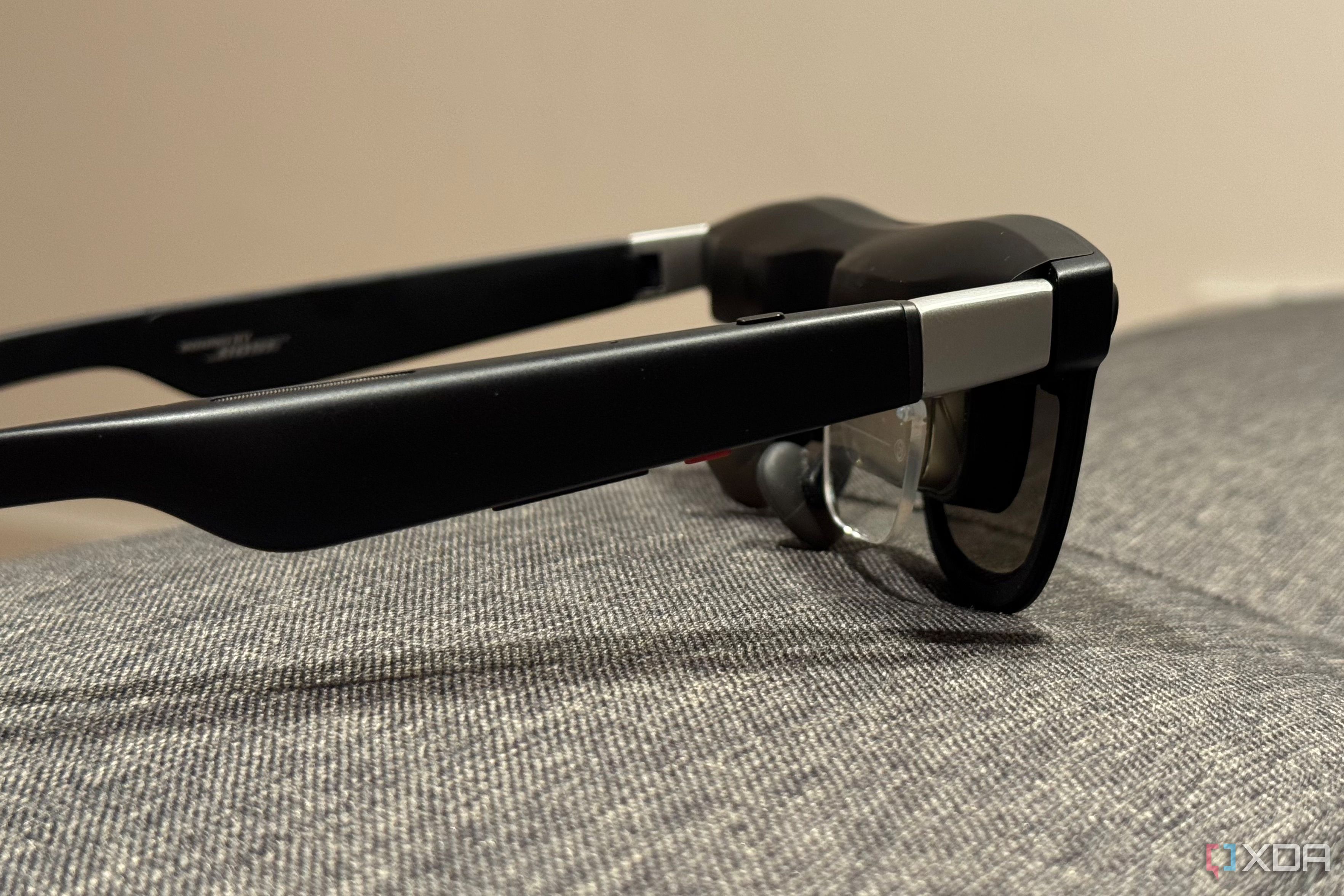
Smart glasses have always struck me as a rather dystopian piece of technology. The notion of having cameras, microphones, AI assistants, and even displays built into something you wear on your face all day long seems straight out of a science fiction film. While I can acknowledge the remarkable progress made in the field, I can't help but question whether we're venturing too far into the realm of excessive futurism.
My frustration lies in the overuse of AI features and the notion that every piece of technology should undergo a complete overhaul of our daily lives. Innovation, I'm certainly on board with that. After all, I dedicate my time to writing about AI. Yet, when pondering what would truly compel me to wear smart glasses daily, it's not the dazzling AI features or the claim to replace my smartphone that holds my interest.
It's a few straightforward necessities that would make my everyday life slightly more manageable. Navigating unfamiliar territories is a constant struggle for me. Google Maps has become my go-to app, but using it often involves a back-and-forth between my phone and the world around me. You glance up, look down at your phone, glance back up, only to realize you've missed the turn you were supposed to take.
This constant juggling act, especially when exploring new cities, can be incredibly frustrating. That's precisely the issue smart glasses could potentially solve. I don't require a large 3D map hovering in front of my face or an AI assistant directing me. Instead, I'd appreciate a small arrow in the corner of my vision, the distance to my next turn, and a cue telling me if I'm heading in the right direction.
Several smart glasses manufacturers have already identified this potential. For instance, the XREAL Project Aura can display turn-by-turn navigation using Google Maps data, while MemoMind One and the Meta Ray-Ban Display also offer directions directly in your field of view. However, there's a catch. Not all of these glasses seamlessly integrate with the Google Maps app itself, some rely on their own navigation platforms, and others have limitations on the areas where their navigation features are functional.
What I truly desire is something that operates as seamlessly and accurately as Google Maps does on my phone, without the need to constantly glance down at my device. Moreover, the navigation itself has often been less precise and responsive than I would prefer. Directions can take a moment to update, and a brief delay can mean missing a turn or taking the wrong street when navigating through unfamiliar areas.
If I am to rely on smart glasses for directions, I need to trust the information without frequently consulting my phone for verification. The ideal solution lies in drawing features from devices we already use daily, rather than attempting to reinvent the wheel. Smartwatches and fitness trackers, for instance, have become integral to tracking our health and fitness.
However, there's one minor inconvenience: you have to frequently glance down at your wrist to view your stats. Picture having all that information right before your eyes, whether you're running, cycling, or simply trying to meet your daily step goal. The convenience of seeing your heart rate, distance covered, pace, and other fitness metrics without interrupting your activity would be invaluable.
Smart glasses shouldn't aim to replace fitness trackers entirely; rather, they should complement them. My smartwatch already collects all the data, and my glasses could simply display the information I find useful. Most smart glasses, particularly those coming from China, already provide basic notification support and smartphone integration.
However, I believe manufacturers should focus on enhancing these features instead of attempting to incorporate even more AI-powered capabilities. I get easily distracted, and a single notification can lead me astray. Checking one message may prompt me to scroll through social media, reply to a few messages, and forget my original task.
By the time I put my phone away, I've wasted valuable time on something that should have taken only a few seconds. That's why I'd like smart glasses to function as an extension of my phone. Allowing me to glance at a notification, decide whether it's worth responding to, and resume my activities without needing to touch my phone.
Ideally, I'd like the ability to reply to messages, dismiss notifications, and check upcoming calendar reminders without ever reaching for my phone. Of course, I'd also want control over which notifications reach my glasses. The last thing I need is to replace one source of distraction with another, especially when that distraction is literally in front of my eyes.
While companies push for features like cameras, displays, and advanced AI assistants, sometimes I simply want to listen to music without the hassle of another pair of earbuds. Meta's recently released Ray-Ban Meta Audio glasses, which forgo cameras and displays, focusing instead on open-ear audio, have caught my attention. You can listen to music, catch up on podcasts, and take calls, all while remaining aware of your surroundings.
This could prove especially useful during walks, household chores, or when you simply don't want to wear earbuds.
Written by urgent.news from XDA Developers's reporting — not their text. Machine-written — may contain errors; check the original before relying on it.