Oil prices ease but head for another weekly gain on Middle East supply concerns
Oil prices eased on Friday but were still headed for another weekly increase on lingering Middle East supply concerns and as global efforts to boost crude stockpiles continue. Brent, the benchmark for two thirds of the world's oil, declined 0.77 per cent to $105.10 a barrel at 12.59pm UAE time. WTI, the gauge that tracks US crude, retreated nearly 1 per cent to $97.04. For the week, Brent is set…
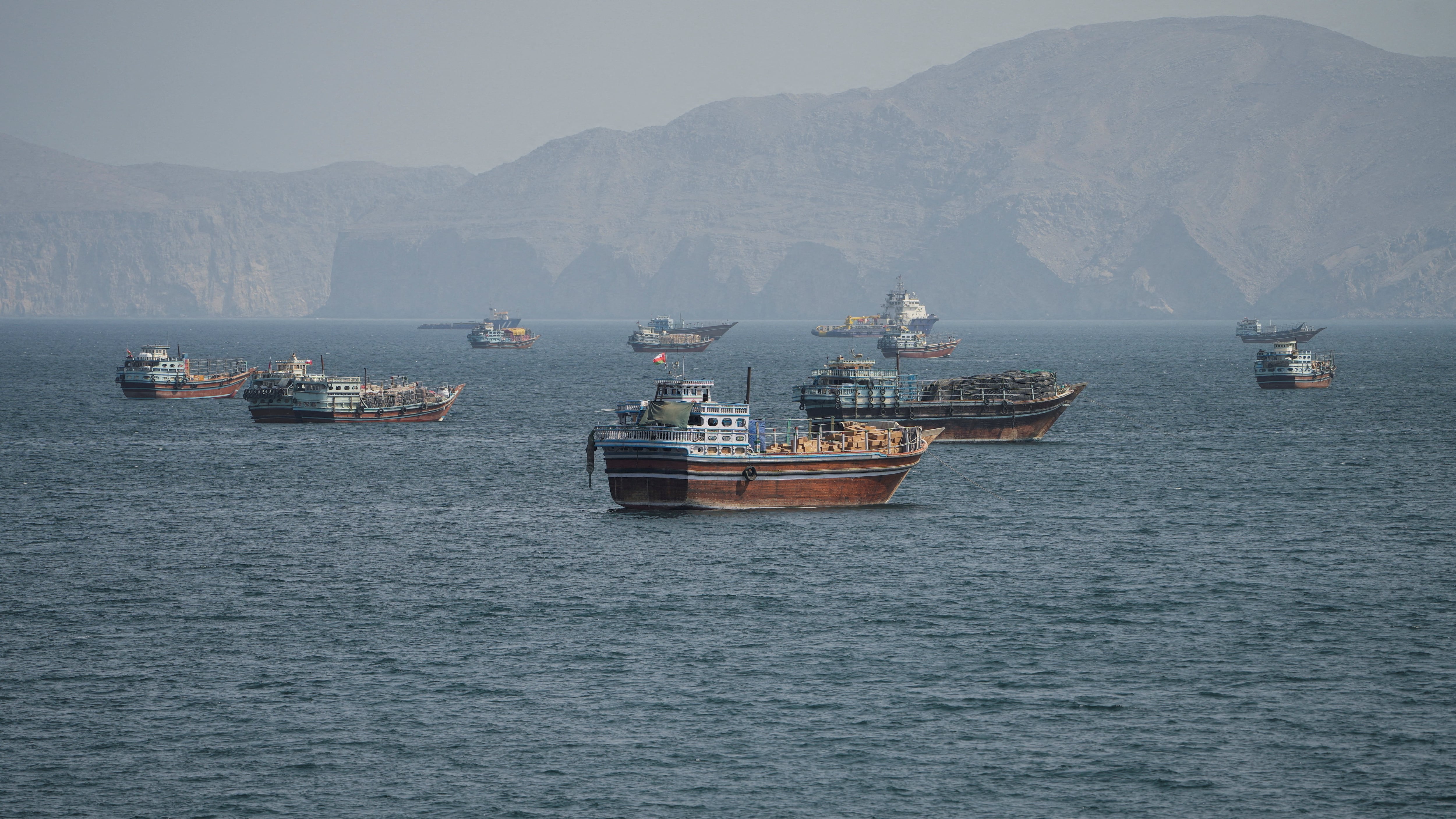
Oil prices dipped on Friday but continued to inch upward as worries over Middle East supply persisted and global efforts to increase crude reserves persisted. Brent crude, representing two-thirds of the world's oil, slipped 0.77% to $105.10 a barrel at 12.59pm UAE time. West Texas Intermediate (WTI), the gauge tracking U.S. crude, fell almost 1% to $97.04. Over the week, Brent is expected to rise 0.32%, while WTI is projected to surge more than 5.6%.
The Middle East's oil supply remains a point of concern due to the ongoing Iran war, which has been gripping for eight months and strangled energy supplies. This situation has spurred initiatives to ensure ample global supplies. On Thursday, the International Energy Agency (IEA) revealed that its March pledge to release crude oil reserves would surpass its target. The agency is accelerating the release of remaining stocks as global efforts to curb soaring energy prices persist.
Exports from the Middle East have rebounded to pre-crisis levels, and global oil inventories are not under strain. Gulf oil producers have pushed tanker transfers to as far as India's coast and reduced prices to maintain crude flow to Asia, as the makeshift export network around the Strait of Hormuz grapples with congestion and persistent attacks.
In India's Gulf of Kutch, there were 82 ship-to-ship transfers last month, amounting to about 680,000 barrels per day, as reported by shipping analytics firm Vortexa. Refined products accounted for approximately 65% of the volume, with crude making up the rest.
Current oil market levels are still considered relatively high compared to actual market realities, though analysts express no imminent shortage, as oil flows from the Middle East have largely restored. Instead, the Iran war has mostly eliminated the surplus accumulated in 2025. Norbert Rucker, head of economics and next-generation research at Swiss lender Julius Baer, stated this perspective.
G7 leaders committed this month to hasten the IEA's coordinated emergency stock release by releasing 100 million barrels of diesel and other reserves to stabilize markets. In a surprising move last week, the US administration lifted sanctions to allow Russia to supply millions of barrels of diesel to global markets. However, the IEA warned on Wednesday that the global diesel shortage caused by the Iran war will continue well into 2027, with depleted inventories unlikely to recover until the second half of the year.
Written by urgent.news from The National Business's reporting — not their text. Machine-written — may contain errors; check the original before relying on it.
This story
This is one outlet's version. Read the fullest account.