Googlebooks are as poorly timed as Valve’s Steam Machine, and may suffer a similar fate
Google attempted to take its Chromebook platform upscale with Googlebooks. But the timing could not have been worse. Phone support at launch is extremely limited, and most people use Android phones and Chromebooks because they’re cheap.
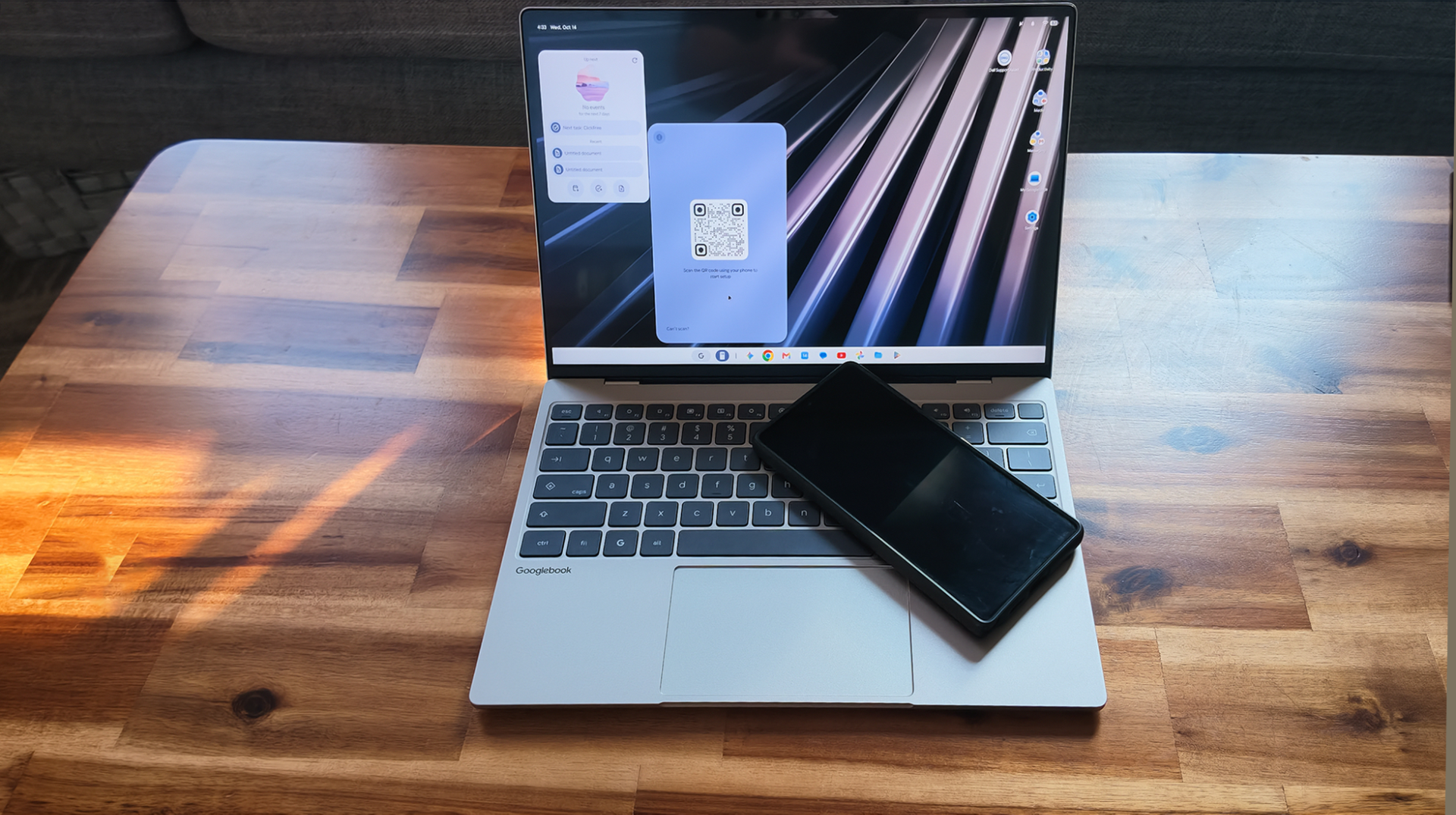
The tech industry has been abuzz with recent developments, as Google has announced plans to launch a new laptop platform, the Googlebook. This AI-focused reimagining of its successful Chromebook platform comes with a 16GB RAM requirement and prices that start at $999, excluding a limited-time $899 offer from Acer. However, the timing of this launch may be questionable, given the recent surge in RAM and storage costs driven by AI hyperscaler demand.
Similar to Valve’s delayed Steam Machine, which launched six months later and at a price above $1,000, the Googlebook platform may struggle to find its footing in the market. The value proposition that made the Steam Deck a success has been undermined by its higher price point, and Google’s previous laptop successes have been rooted in affordability. Chromebooks, for instance, have been priced around $500 since their launch in 2011, with some high-end options reaching MacBook Air pricing.
The Googlebook platform also relies heavily on Android 17 integration, which requires a phone running the latest operating system. However, Android 17 was only released four months ago and is currently available only on a limited number of expensive phones. This creates a significant barrier to entry for potential customers and ignores the fact that the majority of Android devices sold annually are mainstream and budget models, with less than 30% of global phone shipments being priced above $600.
Moreover, Google is launching a new laptop platform at a time when overall PC shipments are down 20%, and when Apple and Microsoft’s Windows partners are offering budget-friendly sub-$700 laptops. The launch of Nvidia’s RTX Spark laptops, priced significantly higher, also suggests a market for high-end AI-focused devices, but these are primarily aimed at AI coders rather than average Android users.
Considering Google’s history of primarily selling budget laptop platforms and its primary focus on free, ad-supported software and services, this decision to upmarket appears strange and ill-timed. The company may have been forced into this launch window due to the rising costs of RAM and storage, but the Googlebook platform may have difficulty competing with other affordable options on the market.
Written by urgent.news from Tom's Hardware's reporting — not their text. Machine-written — may contain errors; check the original before relying on it.