SPHEREx Just Took the Fingerprints of Failed Stars Across Our Cosmic Neighborhood
Brown dwarfs are the black (or brown?) sheep of astronomy. They’re too big to be considered a traditional gas planet, but they are too small to have started nuclear fusion and made the full transition to star-hood. They also change dramatically over time, cooling, shrinking, and spinning faster as they age. Or at least we think they do - our models of the atmospheres of these celestial objects…
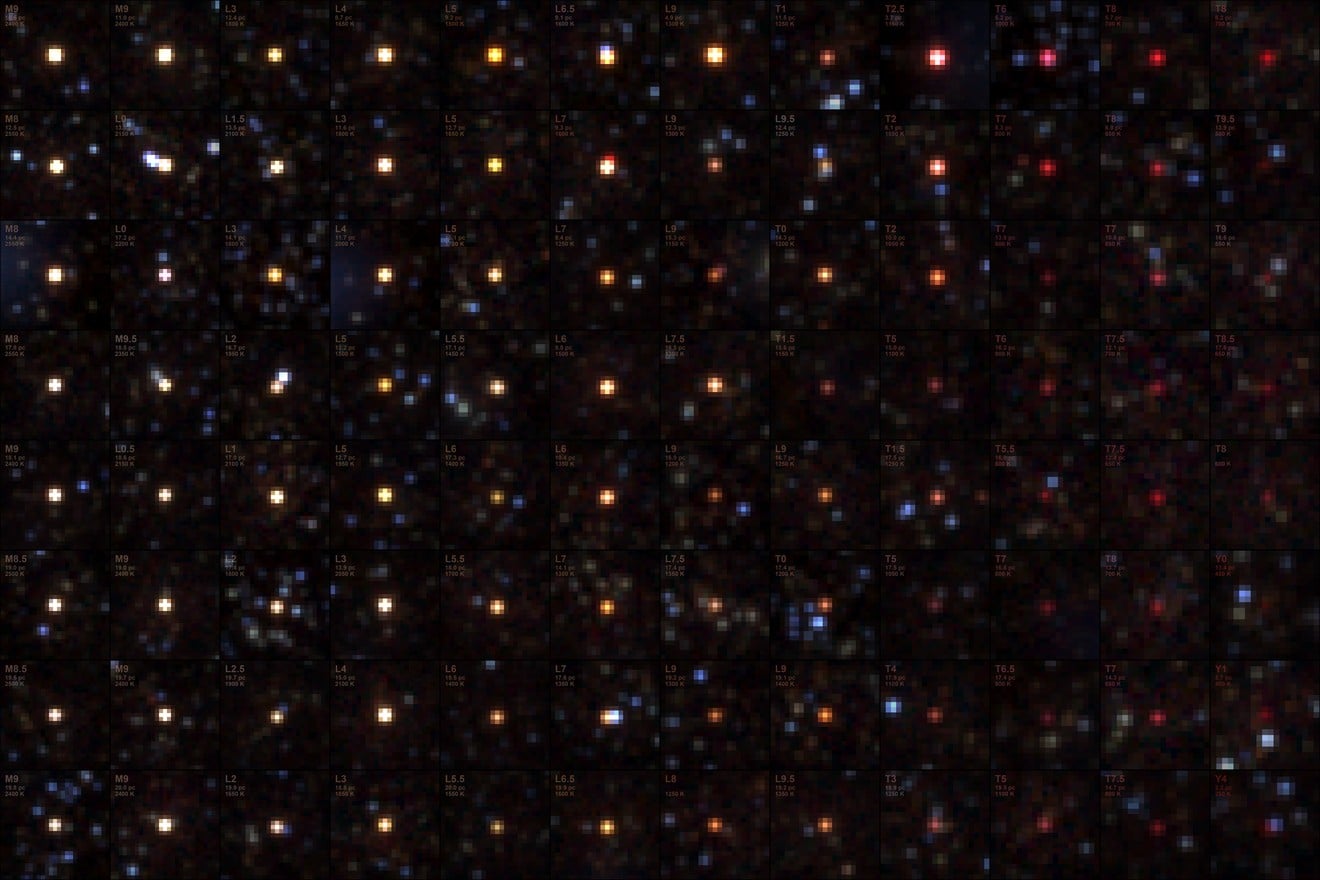
Brown dwarfs, the elusive celestial objects that fall between gas planets and true stars, have long posed challenges to astronomers. These "failed stars" cool, shrink, and spin faster as they age, but their low brightness makes them difficult to detect. However, new research published in The Astrophysical Journal Letters, led by Zafar Rustamkulov from Caltech and NASA’s Jet Propulsion Laboratory, has shed light on these enigmatic bodies.
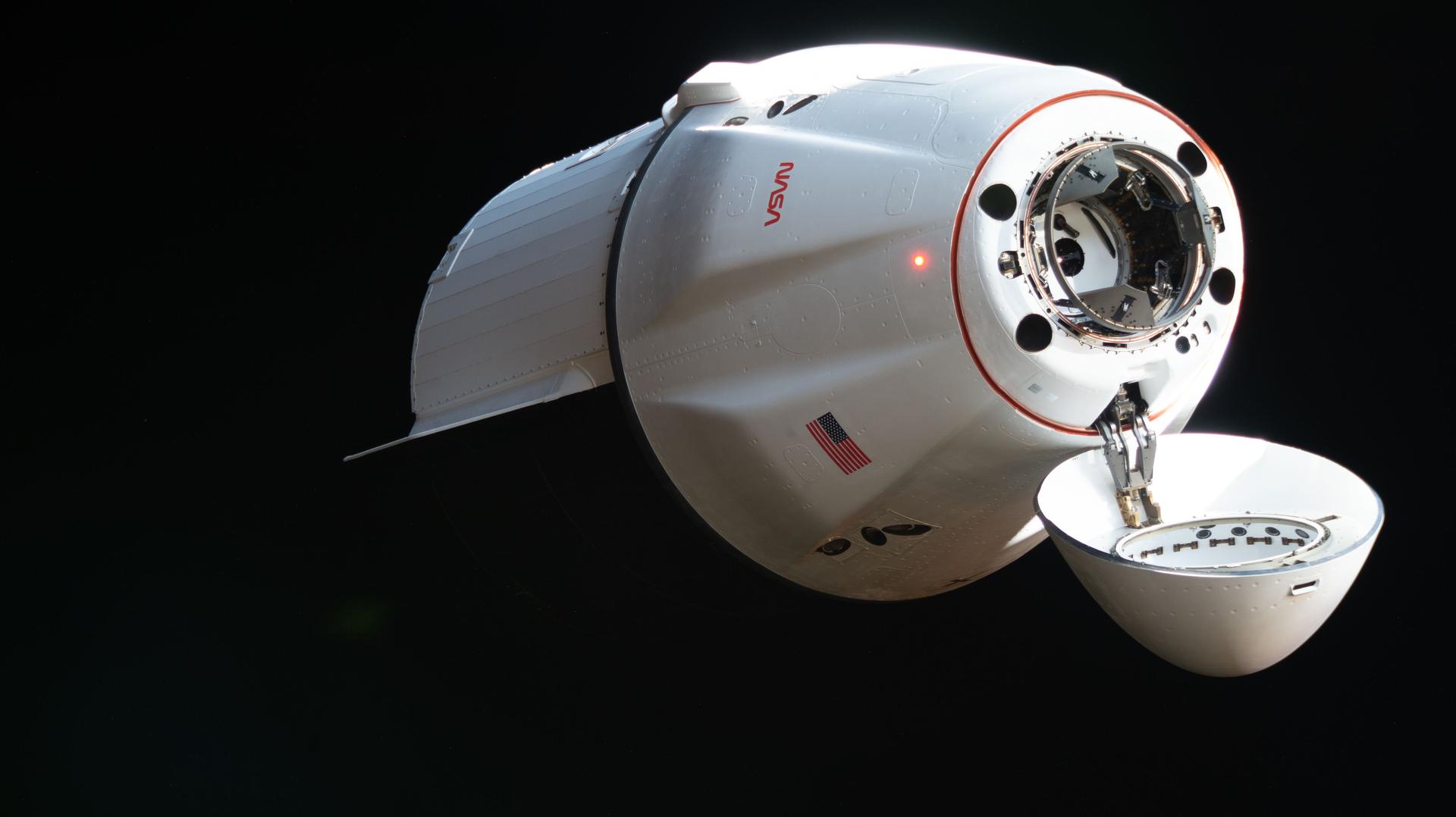
Utilizing the Spectro-Photometer for the History of the Universe, Epoch of Reionization, and Ices Explorer (SPHEREx) telescope, which recently went online in May 2025, the team compiled high-fidelity spectra of 33 nearby brown dwarfs, ranging from 7 to 100 light-years away. By analyzing the specific wavelengths of light absorbed by molecules in their atmospheres, the researchers aimed to create a comprehensive picture of brown dwarf atmospheres.
However, their findings revealed that current theoretical models were struggling to accurately describe these objects. The spectra showed unexpected near-infrared flux peaks between 1 and 2.5 microns, a critical "opacity window" at around 4.0 microns, and unrealistic sizes for the celestial bodies, sometimes off by as much as 20-50%.
While some custom spectral indices focused on carbon shifts in the atmosphere provided a partial match, overall, the models needed significant refinement. Despite these challenges, brown dwarfs remain valuable test beds for understanding large celestial objects not influenced by a host star. As SPHEREx continues its two-year all-sky survey, the team anticipates providing modelers with the empirical data necessary to refine their understanding of these sub-stellar wanderers and apply it to more traditional exoplanets.
Written by urgent.news from Universe Today's reporting — not their text. Machine-written — may contain errors; check the original before relying on it.