Measuring Deep-Ocean Oxygen with Microscopic Magnetic Fossils
A global comparison of microbial magnetic minerals unlocks a new tool for glimpsing the future of oxygen in Earth’s changing oceans.
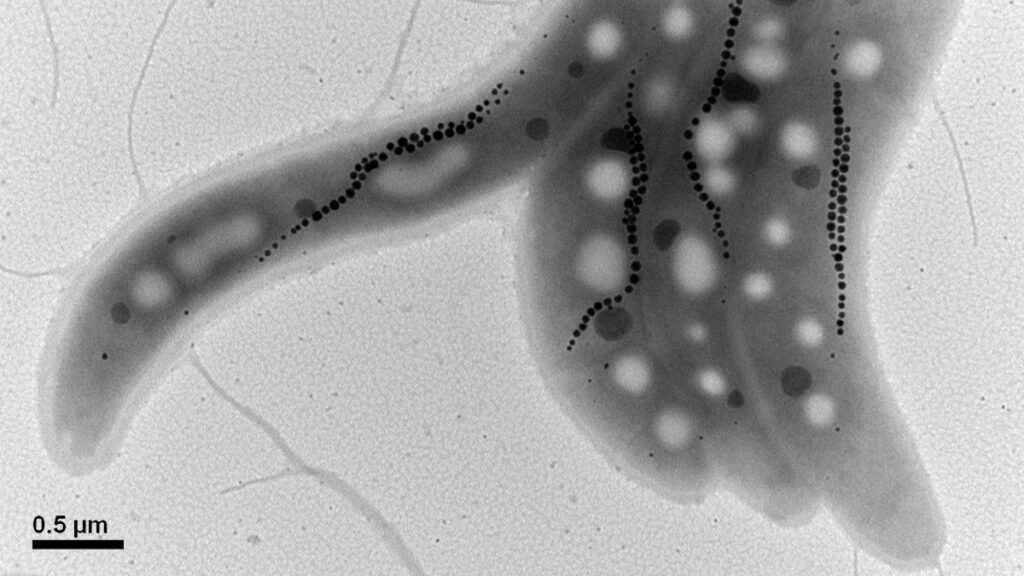
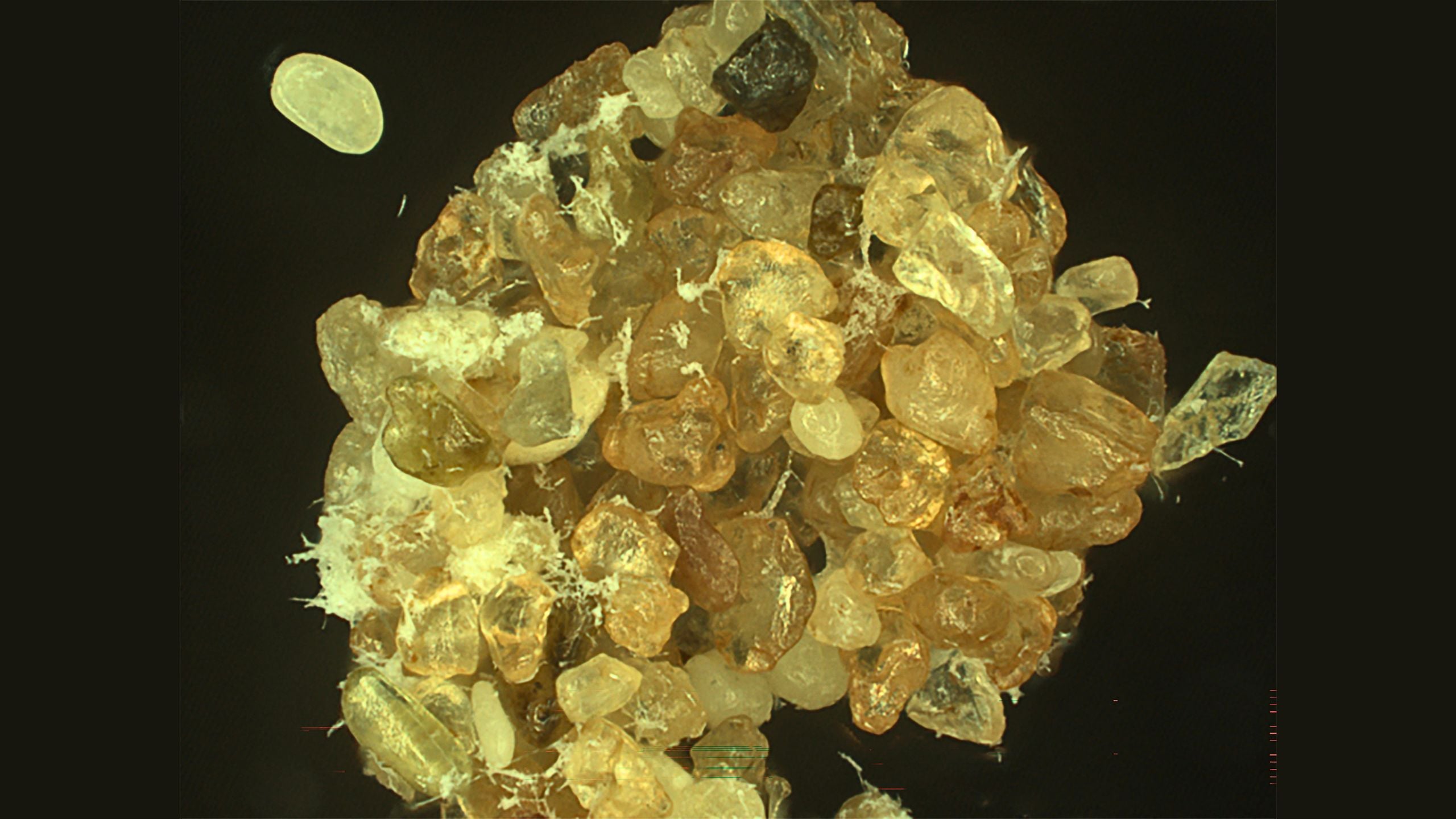
Scientists have developed a groundbreaking method to measure past ocean oxygen levels using microscopic magnetic fossils. This breakthrough offers a new tool to predict the extent of future oxygen loss and the resulting damage to marine ecosystems. The study, published in Geophysical Research Letters, focuses on magnetofossils, which are nanoscopic magnetic minerals left behind by bacteria.
These bacteria, known as magnetofossil-forming bacteria, live in the top few centimeters of the seafloor and produce crystals of minerals like magnetite to detect and respond to Earth's magnetic field. By analyzing over 200 modern ocean sediment samples from worldwide, researchers linked the shape of magnetite crystals to present-day oxygen levels in the water.
Lower oxygen levels led to a higher number of skinny, bullet-shaped magnetite crystals, while higher oxygen levels favored the growth of tiny magnetite cubes. This visual and magnetic property difference provides a widely applicable tool for charting past ocean oxygen conditions. By extracting bacterial magnetite from older seafloor samples, researchers can now use this method to estimate how much oxygen reached the deep ocean under past hotter climates.
This new approach allows scientists to better understand the impact of historical CO2 levels and warmer climates on ocean oxygen and the health of marine ecosystems.
Written by urgent.news from Eos's reporting — not their text. Machine-written — may contain errors; check the original before relying on it.