Nasdaq slides to near one-month low as AI rout deepens
The Nasdaq fell to near one-month lows on Thursday, weighed by a worsening selloff in AI-linked stocks on fears rising interest rates could impact artificial-intelligence investments and fresh data pointing to building US price pressures. The S&P 500 and the Nasdaq marked their biggest one-day fall since July on Wednesday after hotter-than-expected consumer inflation data fueled expectations of…
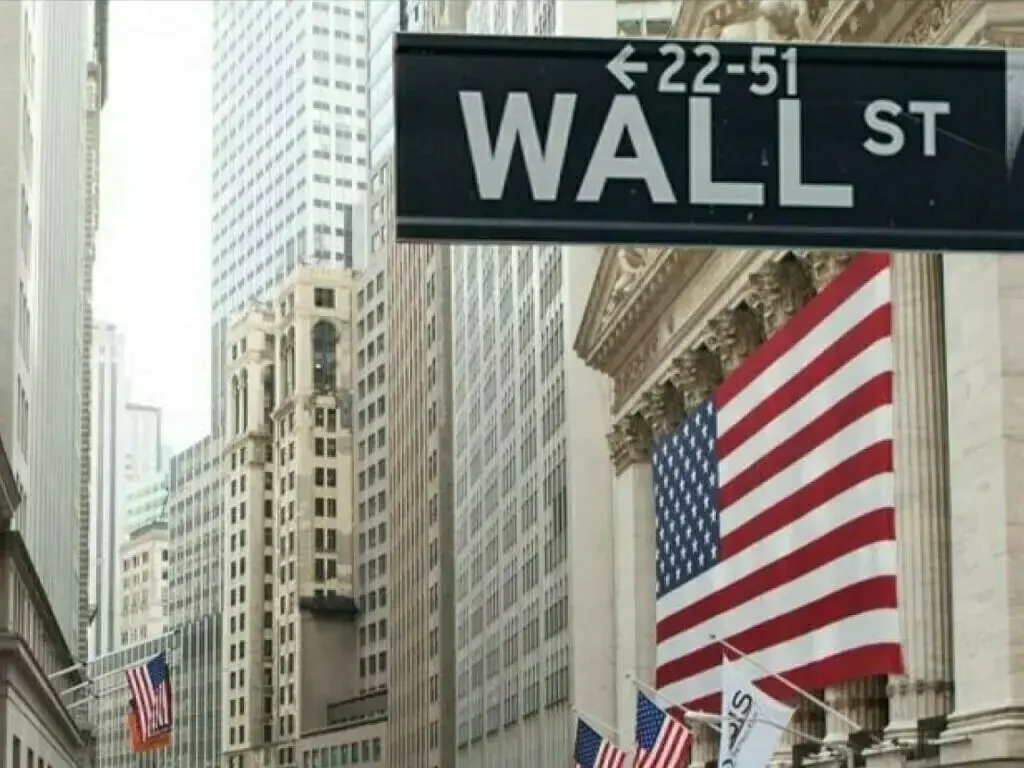
The Nasdaq experienced a significant downturn, touching near one-month lows on Thursday due to a surge in the selloff of AI-linked stocks. Rising interest rates and concerns about their impact on AI investments, coupled with fresh data showing increasing US price pressures, contributed to the decline. S&P 500 and Nasdaq both marked their largest one-day drop since July after consumer inflation data exceeded expectations, fueling the belief of further interest rate hikes by the US Federal Reserve.
Semiconductor manufacturer TSMC's cautious outlook for 2027, citing macroeconomic uncertainties, also affected market sentiment. Despite Anthropic's AI lab reporting a 45% revenue increase in the third quarter, it did not boost investor confidence. CoreWeave, a data center operator, suffered an 8.5% loss following a 15% fall the previous day, while cloud computing giant Oracle declined marginally after a nearly 9% drop in the prior session.
Bonds of these companies fell, leading to record-high yields. Chipmakers suffered losses, with Nvidia down 3.3%, and Micron Technology and Advanced Micro Devices declining 5% and 6.4%, respectively. The broader semiconductor index faced a loss of $2 trillion in a 14% slide over seven sessions, marking its longest losing streak since May 2025.
The S&P 500's Information Technology sector led the slide with a 2% decline. The slump pushed investors towards government bonds, with the benchmark 10-year US Treasury yield reaching a three-week low of 5.0725%. Investors questioned how much future growth was already priced into valuations, how expansion was financed, and when these investments would generate sufficient returns.
The Dow Jones Industrial Average rose 0.32%, the S&P 500 fell 0.42%, and the Nasdaq Composite dropped 1.06%. The CBOE Volatility Index reached a two-week high, and investors shifted towards traditionally defensive sectors, with healthcare and consumer staples rising over 2% each. Despite gains in these stocks, the Nasdaq has dropped more than 4% from its record highs, and markets will scrutinize Fed Chair Kevin Warsh's upcoming speech before the International Monetary Fund Annual Meeting.
Rewritten by urgent.news; may contain errors — check the original.
Sources: freemalaysiatoday.com · qz.com · businesstimes.com.sg · brecorder.com · channelnewsasia.com
This story
This is one outlet's version. Read the fullest account.
- Nasdaq futures fall 1% as AI rout deepens on debt concerns freemalaysiatoday.com
- Dow futures rise 139 points while Nasdaq futures drop 1.1% on AI funding fears qz.com
- Nasdaq nears one-month low as AI stocks slide on debt concerns businesstimes.com.sg
- Nasdaq slides to near one-month low as AI rout deepens channelnewsasia.com