Zimbabwean author denies using AI to write award-winning story
Zimbabwean writer Simbarashe Kundizeza has denied using artificial intelligence (AI) to write his short story, which won this year's Caine Prize for African Writing.
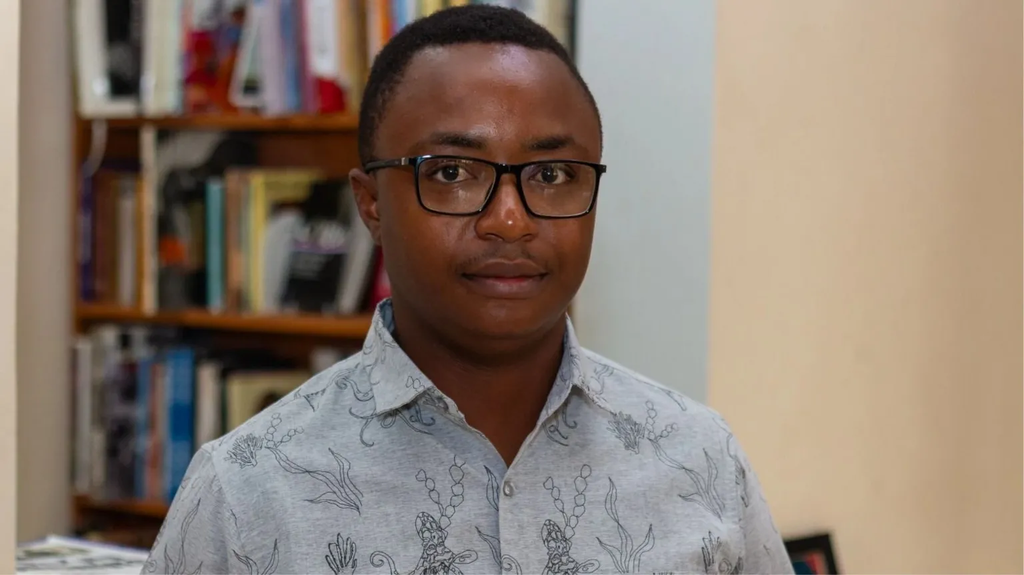
Zimbabwean author Simbarashe Kundizeza stated on X that he wrote his award-winning short story, "The Blue Fighter," despite allegations that it was entirely generated by artificial intelligence. These claims came a week after he won the £10,000 ($13,000) Caine Prize for African Writing. The Atlantic reported that AI-detection software Pangram had shown Kundizeza's work to be AI-generated, causing controversy and backlash on social media.
Caine Prize chair Ellah Wakatama expressed shock that The Atlantic did not conduct a full investigation before publishing the article. The chair of the prize's board of trustees, Vauhini Vara, wrote an essay on The Atlantic suggesting the story was AI-generated. However, Kundizeza vehemently denied these allegations, asserting that he had a documented history of the story's inspiration and development.
He highlighted the chronology of its creation and the various drafts he had produced. The Caine Prize's chair emphasized that submissions are not checked for AI, and writers vouch for the originality of their work. Vara acknowledged that AI detectors like Pangram are not perfect but argued that they should be used as an initial flag for further investigation.
Critics, including African writers and Nigerian publisher Modupe Daramola, have called the accusations against non-white writers a form of "literary stop-and-frisk."
Written by urgent.news from MyJoyOnline Ghana's reporting — not their text. Machine-written — may contain errors; check the original before relying on it.