Zimbabwean author denies using AI to write award-winning story
Simbarashe Kundizeza was responding to an accusation that has caused an uproar on social media.
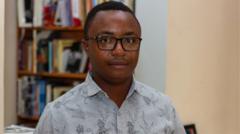
Zimbabwean author Simbarashe Kundizeza has firmly denied allegations that he used artificial intelligence to compose his short story, which earned him the prestigious Caine Prize for African Writing this year. The claim emerged just a week after he received the £10,000 ($13,000) award, and an article in The Atlantic reported that an AI-detection software called Pangram had determined that Kundizeza's narrative about a boy whose family faces hardships was entirely generated by AI.
In response, Kundizeza posted on X (formerly Twitter), stating unequivocally that he authored "The Blue Fighter" independently. The controversy has sparked widespread outrage on social media, with the chair of the Caine Prize, Ellah Wakatama, expressing her shock over The Atlantic publishing the article without conducting a thorough investigation.
Wakatama urged the magazine to spend more time verifying the claims, stating that the prize and the honored author would be unfairly tarnished by premature judgment. The Caine Prize's board of trustees chair also criticized The Atlantic for not providing sufficient evidence before making the accusation. This isn't the first time such allegations have surfaced; other literary prizes have faced scrutiny this year, including the Commonwealth Short Story Prize, which was awarded to Jamir Nazir despite accusations of AI usage.
Additionally, Thélyson Orélien faced backlash when she withdrew from France's top literary award, the Goncourt, over similar allegations against his debut novel. The backlash against The Atlantic article was intense, with reactions ranging from accusations of racism to calls for a reevaluation of AI-detection tools in literary contexts.
The Caine Prize has initiated an internal investigation, requiring Kundizeza to submit documentation of his story's drafts and development process. Despite the controversy, Pangram's creators maintain confidence in their software's accuracy, emphasizing that it rarely errs in assessing human writing.
Written by urgent.news from BBC World's reporting — not their text. Machine-written — may contain errors; check the original before relying on it.