Phone GPS is the worst way to do presence detection, and it's why most smart homes feel dumb at the front door
Switching to BLE made such a difference to my smart home.
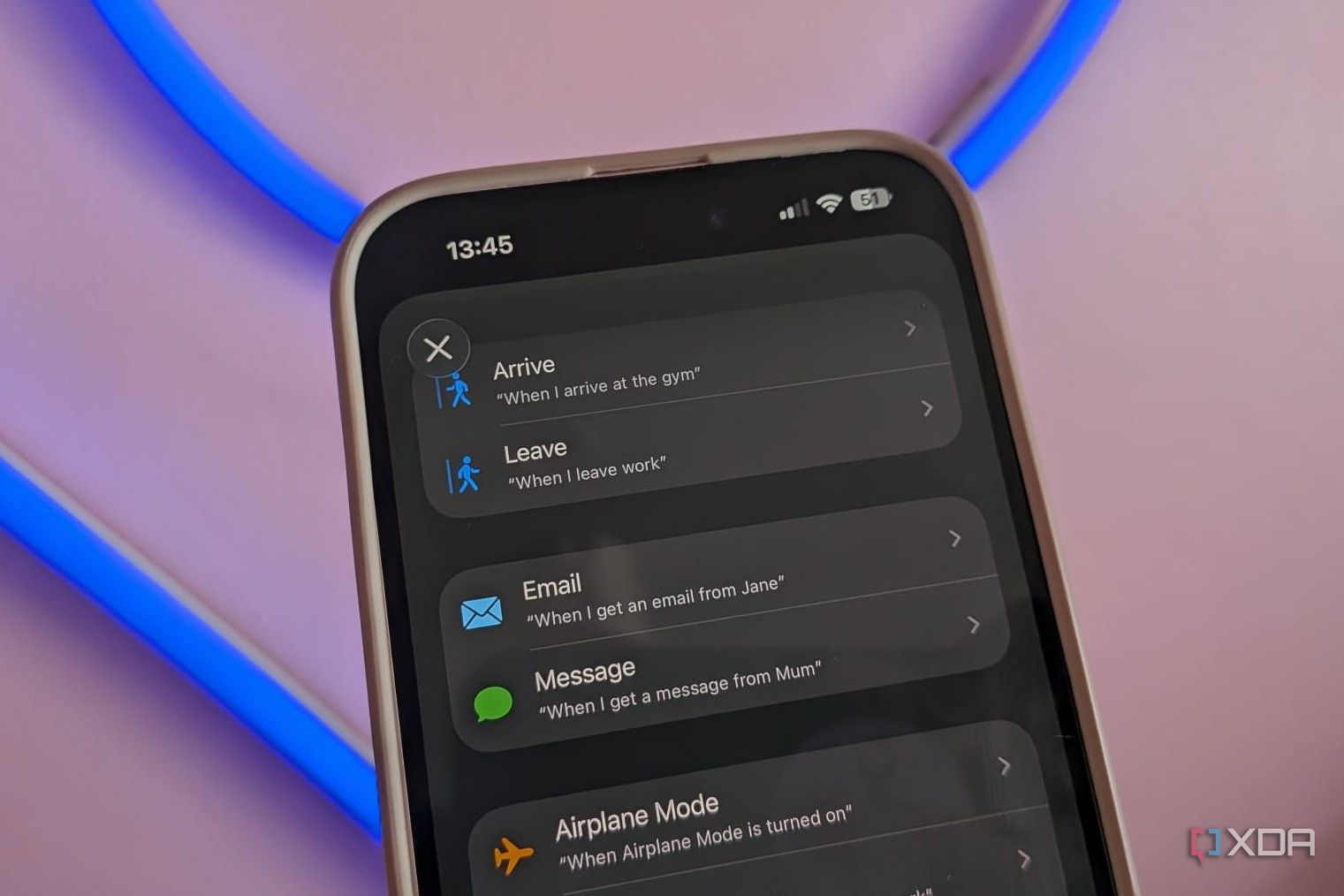
Many smart homes struggle with basic tasks due to their reliance on sluggish smartphone GPS geofencing. Home owners assume their phone GPS is sufficient to automate their household, but this is not the case. While phone GPS is designed for highway navigation, it struggles to manage doorstep presence. It suffers from high latency, battery-draining polling intervals, and dead zones that leave homeowners standing in the dark.
True home automation demands spatial awareness rather than satellite coordinates. A superior alternative to GPS is macro-zone geofencing supported by local room-level presence detection, such as ESP32 Bluetooth proxies and mmWave radar. This enables homeowners to create entry routines that feel truly intelligent, not sluggish and slow.
The GPS's lag and inaccuracies are significant issues. GPS coordinates only update with significant location changes or battery-saving intervals, meaning the phone might take 3 to 10 minutes to recognize crossing property lines. This delays critical automations like turning on exterior lights and unlocking smart locks. Cellular tower triangulation can also cause the phone to believe you're three blocks away when standing on your porch, leading to misfired or falsely triggered automations.
Phone GPS simply isn't reliable enough for precise home automation. Instead, use macro zones and micro presence. Phone GPS should only be used for large, broad triggers like arming the security system when the last person leaves a zip code. For micro-automations at the front door, local Bluetooth Low Energy (BLE) is a better choice.
Low-cost ESP32 Bluetooth proxies can be placed around the house to detect when a phone or wearable BLE beacon, like a smartwatch, crosses the property boundary. Local BLE allows for instant automation activation as you enter specific rooms. Another option is mmWave radar placed at the home's threshold, which can detect micro-movements like breathing or approaching steps, instantly turning on porch and hallway lights.
While switching from GPS to these alternatives involves initial investment, the cost is higher than using phone GPS. Some sensors may cause battery drain if they provide frequent feedback, but adjusting the feedback frequency can mitigate this. Choose local sensors running on Zigbee, Matter, or Z-Wave protocols to avoid cloud latency and ensure fast, responsive home automation.
Ultimately, ditching raw GPS geo-fencing at the front door can create a smart home that greets you the moment you arrive, instead of three minutes later.
Rewritten by urgent.news; may contain errors — check the original.
Source: xda-developers.com