Palghar Healthcare Crisis Persists Nearly A Decade After District Formation As Key Hospitals Remain Incomplete & Tribal Areas Struggle For Medical Care
Palghar: Nearly a decade after the formation of Palghar district, the lack of adequate public healthcare infrastructure continues to pose a challenge for residents, particularly those living in rural and tribal areas. Despite repeated announcements and reviews, key healthcare facilities, including the district hospital, the trauma care centre at Manor and a dedicated women and child hospital,…
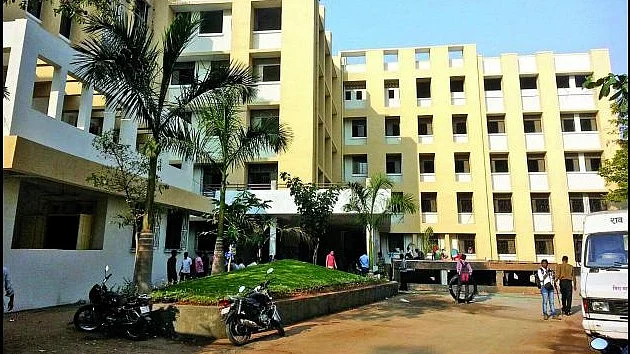
Nearly a decade after the establishment of Palghar district, inadequate public healthcare infrastructure continues to be a major concern, particularly for rural and tribal residents. Although several projects have been announced, several key hospitals remain incomplete, awaiting funding and necessary clearances to become fully operational.
The district hospital, trauma care centre at Manor, and a dedicated women and child hospital are among them. These delays have resulted in residents needing to seek medical care outside Palghar for advanced treatment, complicated deliveries, or critical care. The situation places an additional financial and logistical burden on patients and their families.
Despite the district hospital's construction, it still requires around ₹188 crore to be fully functional, with the proposal for additional funding still in progress. The trauma care centre at Manor, situated along the Mumbai-Ahmedabad National Highway, faces delays due to essential works and administrative clearances, including securing a regular water connection, electricity supply, furniture installation, and medical oxygen system.
Likewise, a dedicated women and child hospital remains unoperational due to repeated announcements and ongoing issues with funding and clearances.
Tribal areas like Jawhar and Mokhada experience significant healthcare gaps with shortages of doctors, medical equipment, medicines, and infrastructure, making access to essential medical services challenging, especially for pregnant women and children. The situation underscores the need for coordinated action among departments to turn infrastructure projects into functional healthcare services and reduce reliance on hospitals outside the district.
Rewritten by urgent.news; may contain errors — check the original.
Source: freepressjournal.in