New Africa AI Council to scrutinise technology policies ahead of 2027 elections
A new continental advisory council has been established to scrutinise artificial intelligence (AI) policies and their impact on public participation, cultural representation and democratic processes in Africa, ahead of Kenya’s 2027 General Election. The Africa Public Interest AI Council (APiAC), convened by the Samawati Collective with support from the Open Society Foundations, will assess…
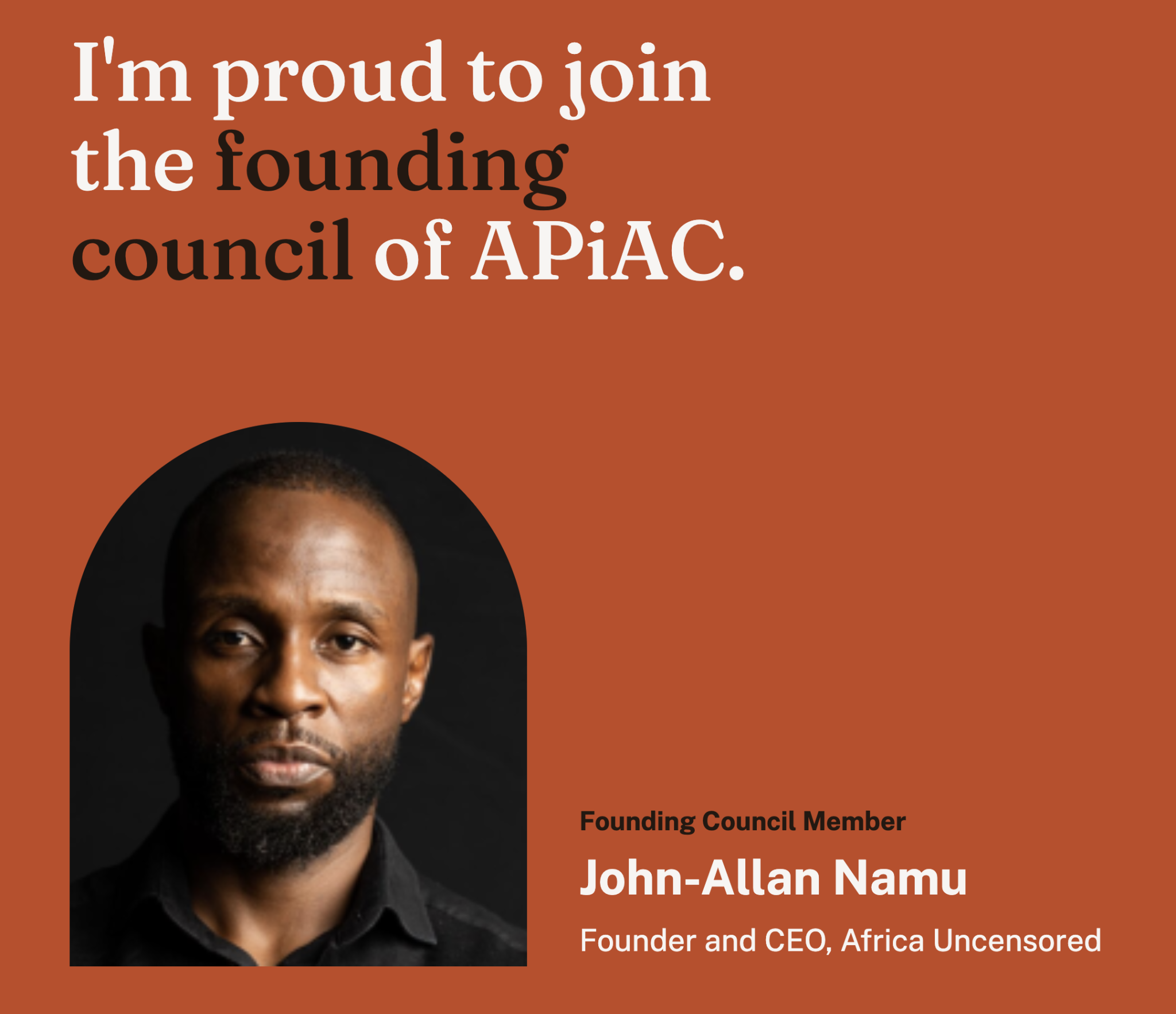
A new Africa-focused advisory council, the Africa Public Interest AI Council (APiAC), has been established to oversee the development and implementation of artificial intelligence (AI) policies ahead of Kenya's 2027 general election. This council was created by the Samawati Collective, with support from the Open Society Foundations, and includes six experts representing various fields such as journalism, AI governance, language technology, data infrastructure, open technology, and financial technology.
The primary focus of the council is to ensure that AI policy developments serve the best interests of ordinary Africans, particularly in light of the country's electoral environment. With young people aged 18 to 34 making up around 40% of registered voters, the council is keenly aware of the importance of trust in democratic processes.
In 2025, Trust Lab identified 17 major coordinated disinformation campaigns in Kenya, and an Anthropic report on AI misuse documented the removal of an account used to mass-produce political content.
John-Allan Namu, a journalist at Africa Uncensored, emphasized the need for newsrooms to scrutinize the algorithms that shape voters' information before the 2027 election. He stated, "My job is to ask who holds power and who answers for it. Those questions now apply to algorithms that shape what voters see. Newsrooms need to be asking them before 2027, not after."
The formation of the APiAC comes as African governments work to develop national AI frameworks under the African Union's Continental AI Strategy, which was adopted in July 2024. The strategy's first implementation phase runs from 2025 to 2026, with a midterm review scheduled for 2027. However, the continent still faces challenges in AI infrastructure, policy development, and language representation.
For instance, Africa only accounts for approximately 0.6% of global data center capacity, compared to nearly 45% in the United States, despite being home to about 18% of the world's population.
Additionally, only 42 of Africa's roughly 2,000 languages are supported by major language models, with consistent coverage limited to Amharic, Swahili, Afrikaans, and Malagasy. Chido Dzinotyiwei, co-founder and CEO of Vambo AI, stressed that limited language representation risks excluding communities from the benefits of AI. She emphasized that models must be designed to accurately follow how people actually speak to serve them effectively.
Established with an initial two-year term, the APiAC will operate independently and focus on providing independent analysis and public scrutiny of AI policies and investments shaping the continent's AI landscape. The council will not act as a regulator or implement AI programs but will ensure transparency and accountability in the development and deployment of AI technologies across sectors such as financial services, public administration, and more.
Rewritten by urgent.news; may contain errors — check the original.
Source: kbc.co.ke