How this year’s Economics Nobel helps us understand the Gulf economies
This year’s Nobel Prize in Economics was awarded to an American duo – Prof Robert Hall of Stanford University and Prof Michael Woodford of Columbia University – for their work on the “microeconomic foundations of macroeconomic stabilisation”. Their research emphasised that keeping the economy on a steady path requires understanding how ordinary businesses and consumers make decisions at an…
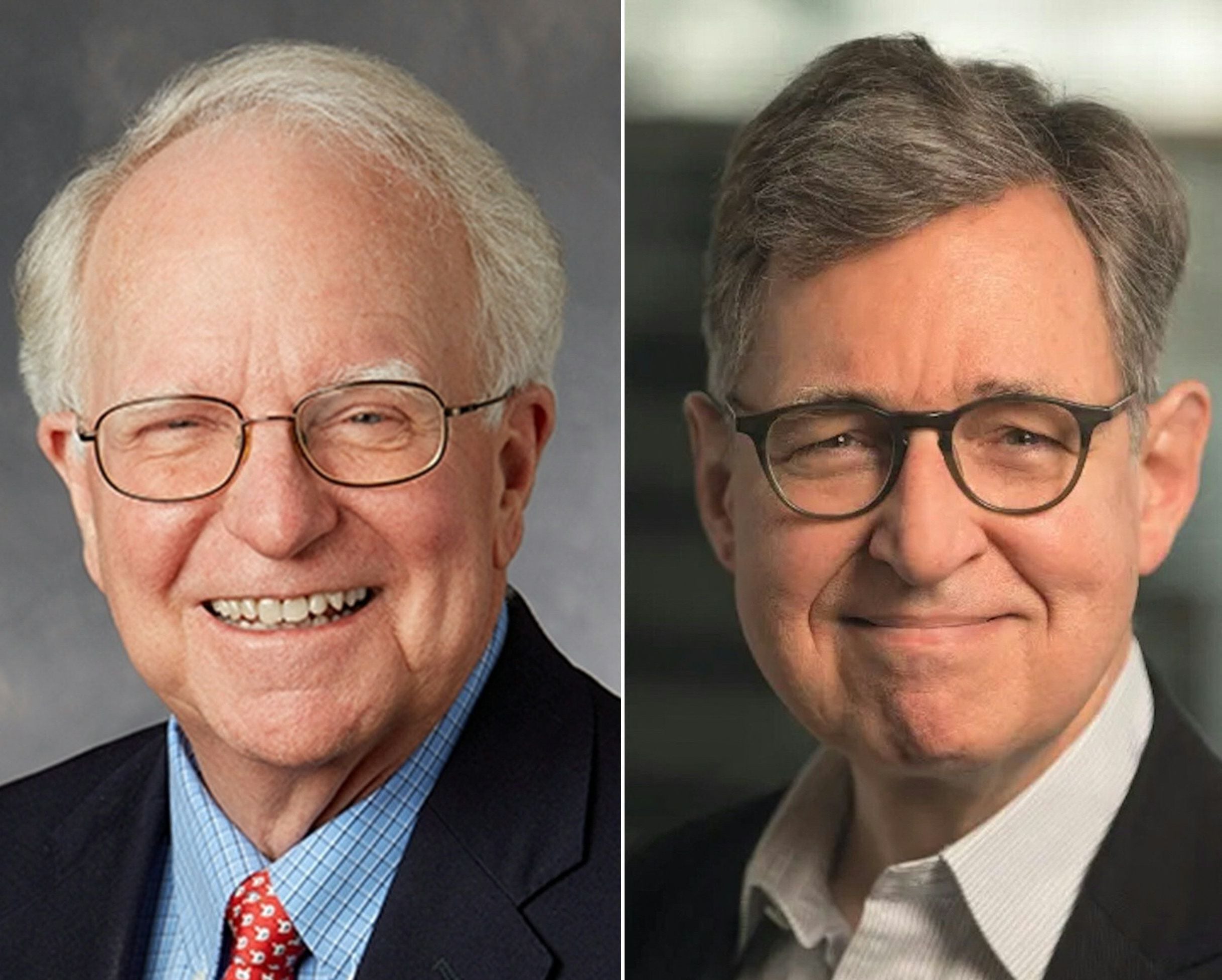
This year’s Nobel Prize in Economics was awarded to American economists Robert Hall and Michael Woodford for their work on the “microeconomic foundations of macroeconomic stabilisation”. Their research highlighted the importance of understanding individual business and consumer decision-making when keeping the economy steady. The insights from their study could help us understand the future trajectory of the Gulf economies as they diversify away from oil.
The genesis of this work can be traced back to the oil shocks of the 1970s, which was influenced by the energy policies of Arab oil-exporting countries. However, the story predates the 20th century. During the early 1900s, modern macroeconomic policies aimed at stabilising economies were nearly non-existent. Policymakers focused narrowly on balancing budgets and managing liquidity, lacking the necessary macroeconomic data to intervene.
This situation changed after the Great Depression of 1929, when scholars and policymakers had to develop methods to stabilise economies, and governments began collecting macroeconomic data systematically. This data, along with advances in computing technology, enabled them to manage the economy’s peaks and troughs. One influential concept from this period was the Phillips Curve, which linked higher inflation to lower unemployment.
However, the 1970s oil crisis exposed the shortcomings of this approach, leading to a paradigm shift in economics. Robert Hall and Michael Woodford contributed to this shift by recognising that macroeconomic variables are aggregations of microeconomic decisions. They understood that unemployment and inflation must be analysed by examining individual labour force and business decisions.
This new approach led to models that explained phenomena like stagflation and provided tools for economic stabilisation. The legacy of Hall and Woodford can be seen in the Gulf economies’ approach to macroeconomic policy. Their work emphasizes the importance of leveraging small and medium-sized enterprises to maintain high economic growth, rather than relying on macroeconomic variables alone.
Written by urgent.news from The National UAE's reporting — not their text. Machine-written — may contain errors; check the original before relying on it.
This story
This is one outlet's version. Read the fullest account.
- How this year’s Economics Nobel helps us understand the Gulf economies thenationalnews.com