How this year’s Economics Nobel helps us understand the Gulf economies
This year’s Nobel Prize in Economics was awarded to an American duo – Prof Robert Hall of Stanford University and Prof Michael Woodford of Columbia University – for their work on the “microeconomic foundations of macroeconomic stabilisation”. Their research emphasised that keeping the economy on a steady path requires understanding how ordinary businesses and consumers make decisions at an…
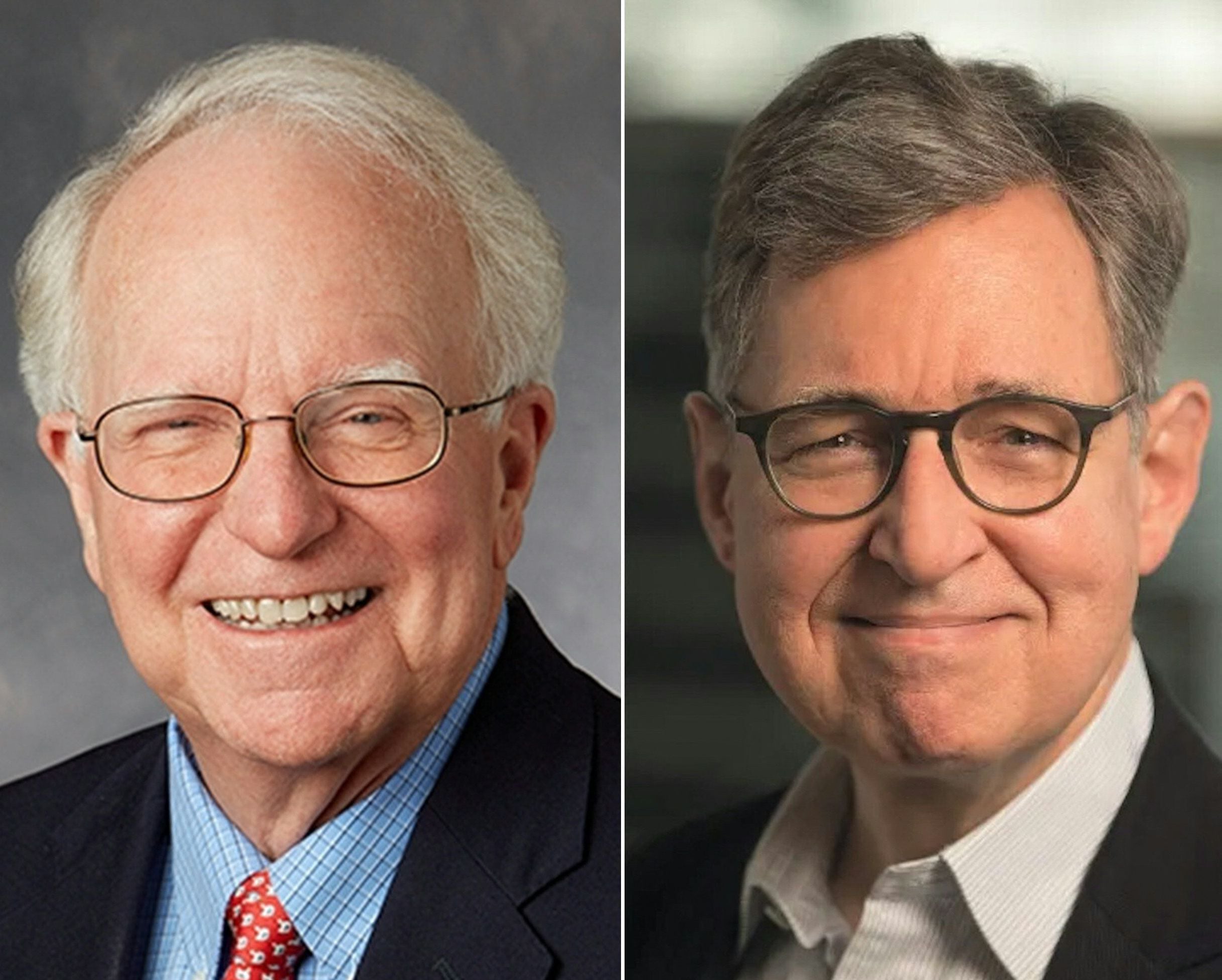
This year's Nobel Prize in Economics was awarded to Robert Hall and Michael Woodford for their work on the "microeconomic foundations of macroeconomic stabilisation." Their research highlighted the importance of understanding how businesses and consumers make decisions at an individual level when maintaining a steady economy. Hall and Woodford's insights may help us comprehend the potential future of Gulf economies as they diversify away from oil.
The origins of their work can be traced back to the 1970s, when Arab oil-exporting countries began implementing energy policies, following the oil shocks of the decade.
Before the interwar period, modern macroeconomic policy was almost non-existent. Policymakers focused narrowly on balancing budget deficits and ensuring financial system liquidity, relying on tools like money supply management and bank oversight. This limited approach stemmed from the scarcity of macroeconomic data, such as GDP, inflation, and unemployment figures.
The introduction of macroeconomic data collection during the First and Second World Wars addressed this issue, but it took until the 1960s and 1970s for governments to collect and analyze this data systematically.
The advanced 1960s and 1970s saw economic authorities globally well-equipped with macroeconomic data and sophisticated statistical analysis tools. Policymakers relied on historical statistical relationships, such as the Phillips Curve, which linked inflation to unemployment. This approach, however, failed during the 1970s oil crisis, leading to the 1973 oil shock.
In response to the economic crisis, Hall and Woodford returned to basic economics, recognizing that macroeconomic variables are derived from millions of microeconomic decisions. They argued that to understand the relationships between macroeconomic variables, we must first examine the microeconomic decisions that drive these aggregates. Unemployment, for example, should not be the starting point for statistical analysis, but rather the result of individual labor force and business decisions.
Hall and Woodford's novel approach led to new economic models that explained stagflation, the simultaneous rise of inflation and unemployment, and offered governments new tools to stabilize the economy. Although the global financial crisis of 2008 revealed the need for further advancements, Hall, Woodford, and their successors have continued to refine our understanding of economic policy.
In the Gulf economies, Hall and Woodford's legacy can be seen in several aspects of macroeconomic policy, such as the emphasis on sustaining high growth rates through innovation at the level of small and medium-sized enterprises.
Written by urgent.news from The National Business's reporting — not their text. Machine-written — may contain errors; check the original before relying on it.
Also reported by 1 other outlet
- How this year’s Economics Nobel helps us understand the Gulf economies thenationalnews.com