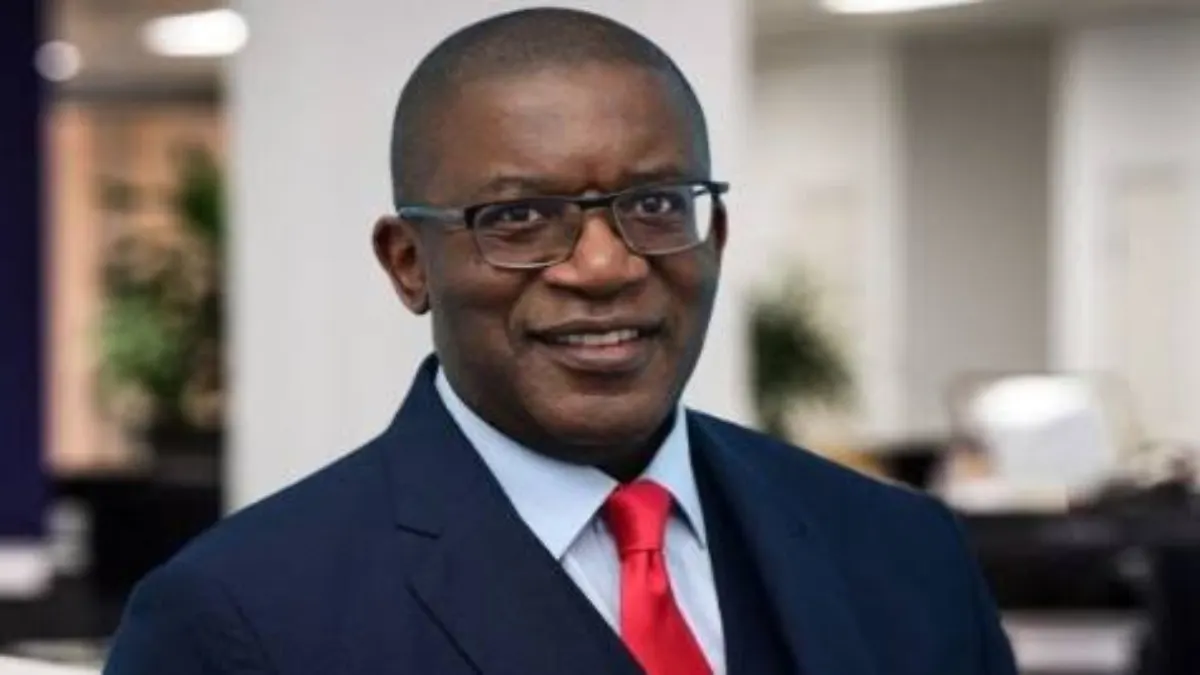
D-Black raises concern over GHAMRO report on royalty-paying broadcast stations
Ghanaian rapper and entrepreneur D-Black has expressed shock over a report by the Ghana Music Rights Organisation (GHAMRO) indicating that only 16 radio and television stations out of more than 700 in the country pay royalties to the collective management organisation. The musician shared his concerns after a meeting with GHAMRO’s new Chief Executive Officer, […]

Ghanaian rapper D-Black has voiced astonishment over a recent report by the Ghana Music Rights Organisation (GHAMRO) revealing that a mere 16 radio and television stations among over 700 in the country currently pay royalties to the collective management body. The musician's shock was evident after a recent meeting with GHAMRO’s newly appointed Chief Executive Officer, during which he was presented with a list of broadcast stations purportedly adhering to their music royalty obligations.
Sharing his concerns on social media, D-Black questioned the alarming figure, emphasizing that the trend has persisted for years. According to GHAMRO, only 15 radio and television stations out of the over 700 operating in the nation currently remit royalties to the collection society. The musician was particularly taken aback by the list, which he viewed firsthand, expressing his disbelief at the low number.
D-Black pointed out that eight of the 16 compliant stations are part of Multimedia Group Limited, which includes Adom FM, Nhyira FM, Joy Prime, Adom TV, Luv FM, Asempa FM, Hitz FM, and Joy FM. GHAMRO highlighted the importance of compliance with copyright laws and music licensing obligations to ensure that local musicians, songwriters, and publishers receive the compensation they deserve for the use of their creative works.
The organisation's 2026 list of top-compliant broadcasting channels, commended by GHAMRO, includes the aforementioned stations, with their adherence to music licensing requirements being acknowledged as a vital contribution to the growth of Ghana’s creative economy. D-Black's concerns have reignited discussions surrounding royalty payments in Ghana’s broadcasting industry, shedding light on the extent of compliance with music licensing obligations among broadcasters and the measures required to ensure that creators are adequately compensated for the use of their work.
Rewritten by urgent.news; may contain errors — check the original.
Source: adomonline.com