Alaska LNG project becomes $54bn flashpoint for would-be Asian buyers
A massive liquefied natural gas project in Alaska has emerged as an unlikely focal point in purported foreign investment, as Asian buyers rush to diversify their supply imports amid disruptions from the Iran war. On Tuesday in Wasilla, a town 70km north of Anchorage, US President Donald Trump said Taiwan had agreed to buy 30 per cent of the LNG from the long-planned Alaska LNG project. Commerce…
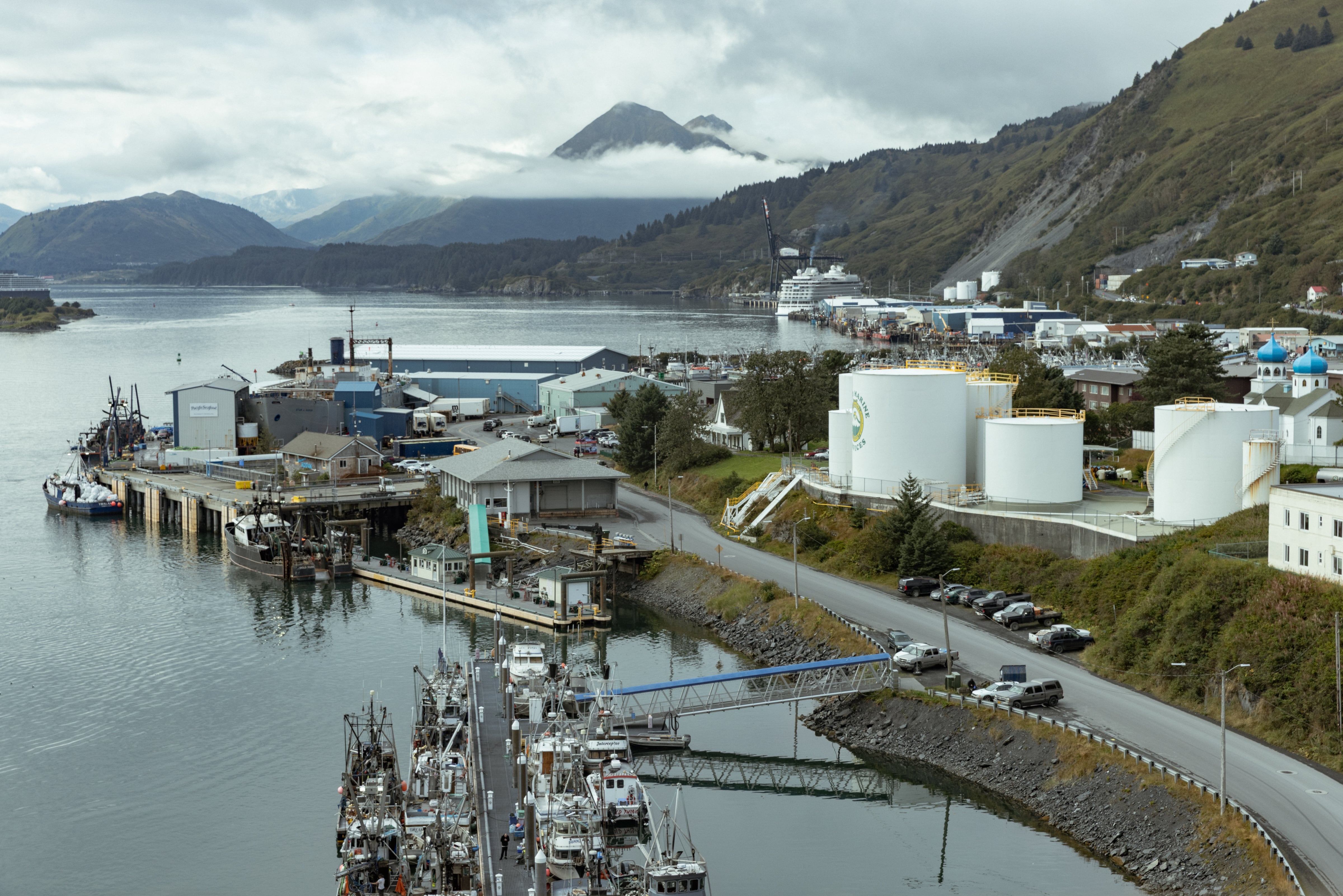
An Alaska LNG (Liquefied Natural Gas) project has become a flashpoint for potential Asian investments amid geopolitical tensions, particularly following the Iran war. On Tuesday in Wasilla, 70km north of Anchorage, US President Donald Trump announced that Taiwan had agreed to purchase 30% of the LNG produced by the project. Commerce Secretary Howard Lutnick confirmed Taiwan's commitment to invest $4.4 billion in the pipeline development.
However, the terms of the deal remain unclear, and South Korea, one of the project's major investors, has denied any firm commitment.
The Alaska LNG project is one of several initiatives aiming to diversify energy supplies for Southeast Asian countries as the Iran war disrupted previous shipments from the region. If operational, the project would significantly reduce the delivery time of LNG shipments. The journey from Alaska to Japan is more than 9,600km shorter than from the US Gulf Coast, making it an attractive proposition.
Despite the promise, the project faces significant challenges. Development is expected to commence in phases, with the first exports anticipated in 2031. The estimated cost of the project ranges between $44.5 billion and $54.5 billion, translating to around $2.2 billion to $2.7 billion annually per tonne of capacity. Moreover, the pipeline stretching 1,300km from Alaska’s North Slope to Nikiski has to be built parallel to the existing Trans Alaska Pipeline System for oil, adding to its complexity and cost.
As of January 2023, only six non-binding offtake agreements totaling 13 million tonnes per year have been signed, highlighting the cautious stance of potential investors.
Written by urgent.news from The National Business's reporting — not their text. Machine-written — may contain errors; check the original before relying on it.