Why Samsung, SK Hynix and CXMT shares are under pressure despite strong AI demand
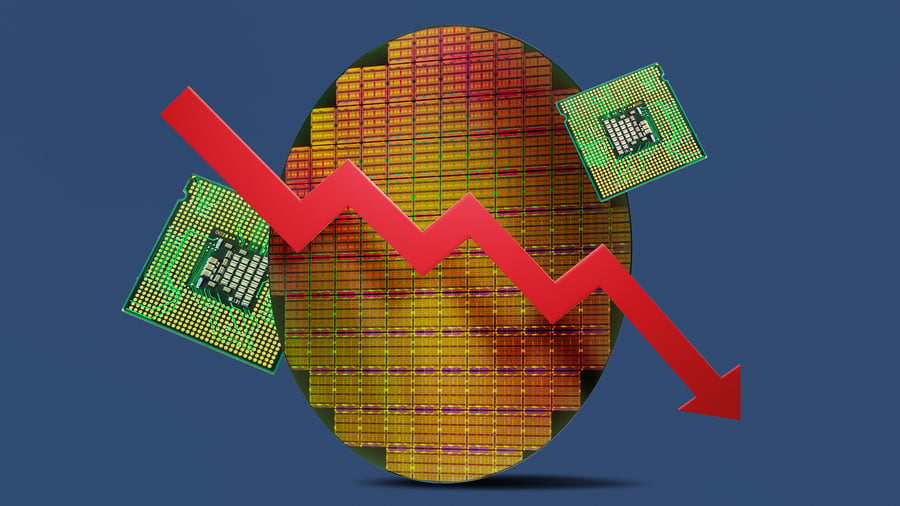
A sharp sell-off in Asian memory chip stocks this week signals growing investor doubts over whether the sector’s AI-driven profit boom can last, even as soaring prices drive strong quarterly earnings across the sector. Shares in market leaders Samsung Electronics and SK Hynix plunged in Seoul on Tuesday, extending a days-long slide that has also swept up Chinese rival ChangXin Memory Technologies…
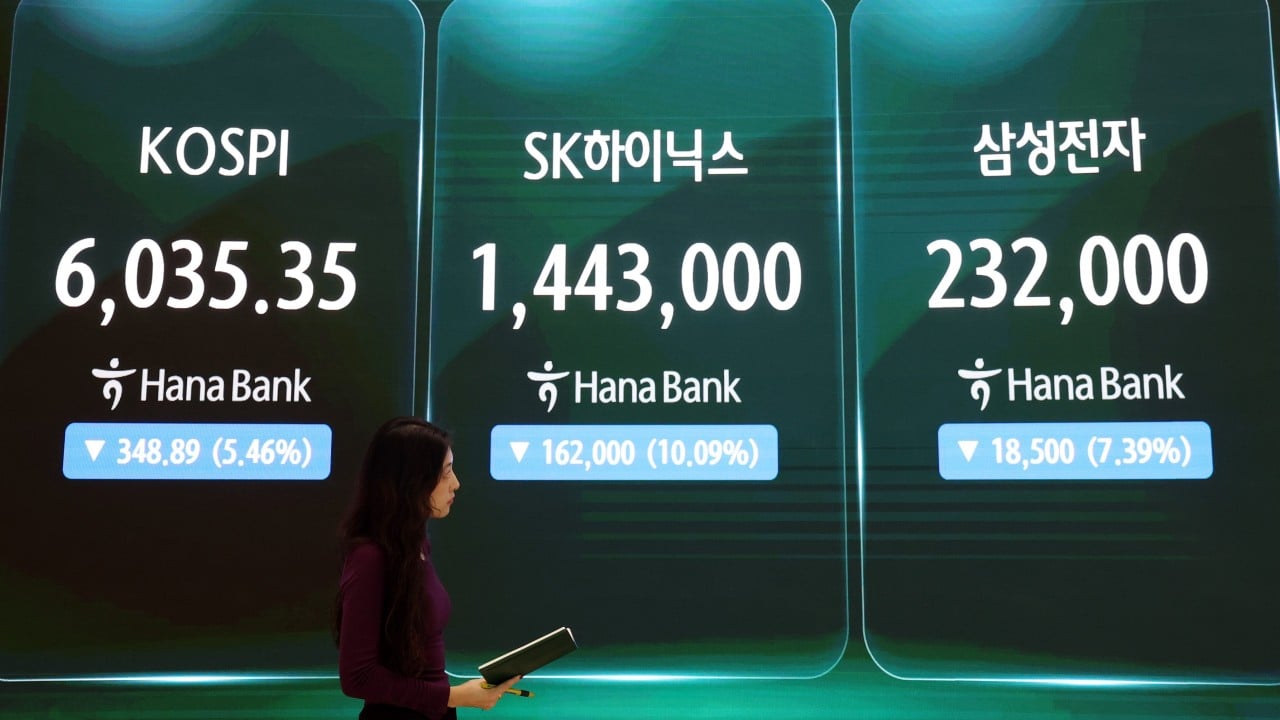
Recent sell-offs in Asian memory chip stocks reflect mounting concerns about the sustainability of the sector's AI-driven profit boom, despite strong earnings reports. Shares in Samsung Electronics and SK Hynix plummeted in Seoul, extending a multi-day decline that has also impacted Chinese rival, ChangXin Memory Technologies. The two South Korean companies closed 7.4% and 10.1% lower, respectively, while their stock prices have dropped 16% and 22% over the past five trading sessions.
Together, they represent nearly half of South Korea's Kospi index, which fell 5.5% intraday. CXMT, China's leading DRAM maker, witnessed a 2.8% dip in Shanghai, with its shares sliding 14% since the close before China's National Day holiday. Analysts suggest investors are losing confidence in memory chipmakers' ability to maintain their profit gains due to supply risks and valuation pressures.
Morgan Stanley's Shawn Kim noted that the "easy money" from the current earnings surge may be over. The rally also prompted some investors to lock in gains. Despite strong financial reports, Samsung's shares dropped on Thursday even after the company forecast quarterly operating profit of 107.4 trillion won, which matched market expectations.
This sentiment quickly spread to the U.S., where chipmaker Micron and SanDisk saw their stocks fall by 3.9% and 6%, respectively. CXMT's shares surged as much as 614% above their July offer price in mid-August, but they have since fallen about 20% from their September 23 close. Analysts anticipate that CXMT could be particularly vulnerable if memory price growth slows.
CXMT's average selling price for conventional DRAM chips is forecast to rise 206% this year, outpacing projected shipment growth of 79%. However, SemiAnalysis estimates that the company's cost of producing DDR5 memory is over 30% higher than its three largest global rivals. Slower price increases could limit CXMT's margin gains, even if it continues to sell more chips.
CXMT's rapid expansion could also pose challenges for overseas rivals. The company announced plans to introduce a new DDR5 server-memory product by the end of the year using a 4F square cell architecture, which could strengthen its position in the server memory market dominated by Samsung, SK Hynix, and Micron. Elon Musk, CEO of Tesla, expressed optimism about China's prospects in the memory industry, suggesting that Chinese manufacturers may have a greater ability to scale.
However, analysts caution that CXMT's planned server product has not yet entered mass production, and its manufacturing yields, performance, and customer qualification remain unverified. Tight near-term market supplies also persist, with market intelligence firm TrendForce expecting conventional DRAM contract prices to rise by another 10-15% this quarter, albeit at a slower pace.
Morgan Stanley forecasts memory prices will remain firm through 2027, with increases slowing as supply catches up with demand or clients pause orders to manage existing inventory. Investors are now eagerly awaiting Samsung's full earnings announcement on October 29 to learn more about memory-supply arrangements for 2027 and HBM pricing.
Written by urgent.news from SCMP Tech's reporting — not their text. Machine-written — may contain errors; check the original before relying on it.
This story
This is one outlet's version. Read the fullest account.