Trump’s use of Russian diesel fuel, at Ukraine’s expense, sparks controversy in the US
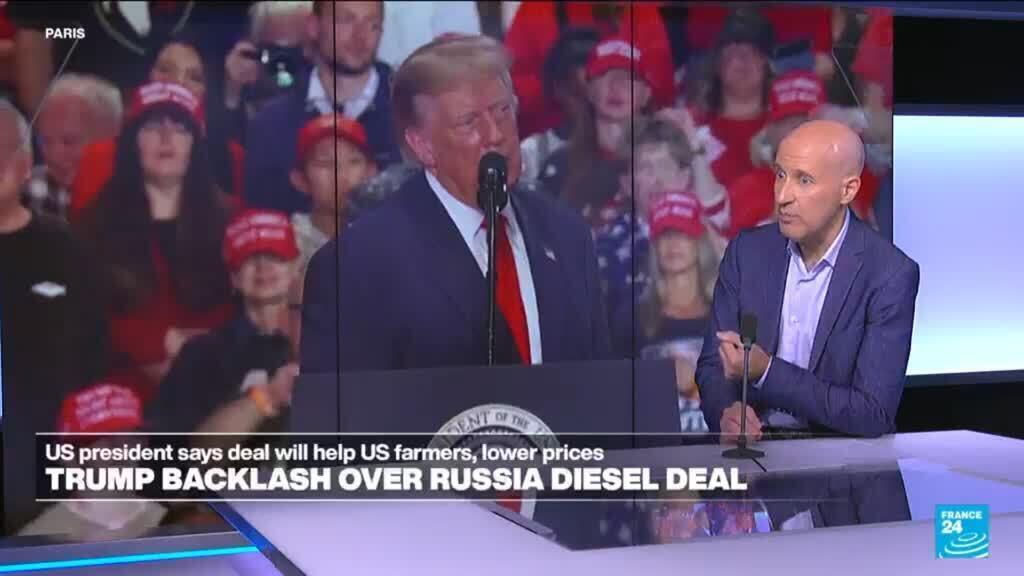
Donald Trump’s plan to import Russian diesel despite Western sanctions has sparked fierce criticism in Washington, including from Republicans, as high fuel prices and the upcoming midterm elections put pressure on his administration. His approach to the Ukraine war has also drawn controversy, with calls for Kyiv to hold elections and claims of an energy ceasefire announced without clear agreement…
In September, Ukraine's Ministry of Defense reported that its forces targeted 12 major Russian refineries. The farthest among these was Lukoil's refinery in Perm, located roughly 1,500 kilometers from Ukraine. Since President Trump announced an "energy ceasefire" on October 11th, there have been no additional reports of Ukrainian refinery strikes according to Euromaidan Press, which monitors both Ukrainian and Russian sources.
This pause in strikes between Ukrainian and Russian refineries presents a conundrum. It restricts Ukraine's capacity to disrupt Russia's oil industry, while simultaneously allowing Russia to continue attacking Ukraine's energy infrastructure. This dynamic becomes especially significant as both nations utilize energy infrastructure as a strategic target in the ongoing conflict.
The situation intensified following the implementation of the "energy ceasefire." Despite this, Ukraine's General Staff confirmed a strike on the Samara oil pumping station on October 10th, marking the third attack on the station that month. Following President Trump's announcement, no new refinery strikes were reported in Russia, including on October 13th.
Ukrainian President Volodymyr Zelenskyy claimed that Russia launched an attack on six Ukrainian energy facilities on October 12th. The White House suggested that the "energy ceasefire" proposal would initially involve both parties ceasing attacks on oil refineries, with potential further agreements concerning power plants. Russia's acceptance of such a ceasefire remains unanswered.
The Institute for the Study of War (ISW) noted that this proposal would grant Russia a significant concession without any reciprocal benefits for Ukraine. Russia boasts numerous operating refineries, in stark contrast to Ukraine's lone refinery. Moreover, the proposal could allow Russia to persist with its winter assaults on Ukrainian power stations.
Written by urgent.news from Euromaidan Press's reporting — not their text. Machine-written — may contain errors; check the original before relying on it.
This story
This is one outlet's version. Read the fullest account.
- Letters to the editor: Readers question Trump's Russian diesel deal and US sanctions policy kyivindependent.com
- ‘The cost to us, the United States, is high’: Trump’s ‘financial lifeline’ diesel deal with Putin sparks bipartisan backlash in Congress fortune.com
- Ukraine says it hit 12 Russian refineries in September. No refinery strikes reported since Trump’s “energy ceasefire” euromaidanpress.com
- Poroshenko responds to Trump's call for elections in Ukraine: if anyone needs new leader, it's Russia en.interfax.com.ua
- Trump Defends Russian Diesel Deal as Energy Ceasefire Claims Unravel oilprice.com
- Trump says does not believe China, Russia helping Iran al-monitor.com
- Trump questions claims of China and Russia helping Iran dailytimes.com.pk
- European leaders seek tougher Russia restrictions despite Trump's diesel deal with Putin english.nv.ua