They war-gamed dimming the Sun. It went even worse than you think.
Solar geoengineering simulation shows what happens when geopolitics takes over.
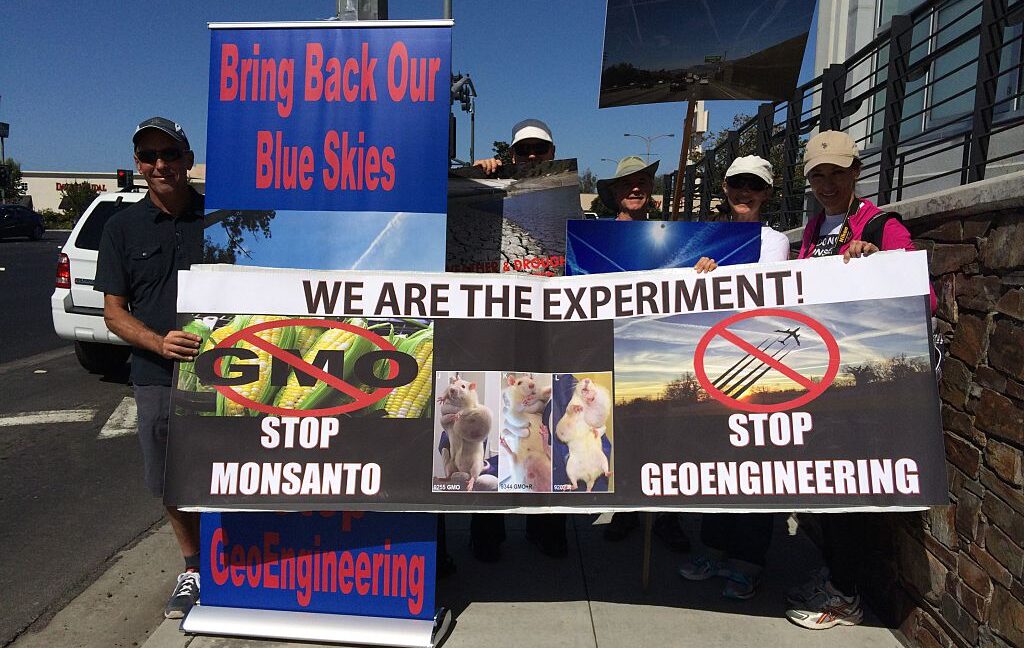
In a first-of-its-kind "war game" held in London last September, climate researcher Colleen Golja participated in a unique simulation aimed at preventing an uncontrolled global race to develop a technology that cools the planet, despite its unknown risks. This simulation, titled "Exploring Geopolitical Tipping Points and Climate Cooling Strategies," brought together foreign-relations experts, scientists, military personnel, and former government officials from across the world to deliberate on the issue.
Golja, who was tasked with providing technical advice to ensure the participants made scientifically informed decisions, was surprised by the complexity and difficulty of the task. She had initially believed that ethical research and ensuring the technology would benefit all humans would be a straightforward process. However, the simulation revealed the immense geopolitical challenges and potential consequences associated with developing such a cooling technology.
The meeting room at Queen Mary University of London was divided into square tables, each representing a different entity such as national governments, climate NGOs and nonprofits, indigenous groups, and tech companies. Participants were assigned roles, with Golja assigned to offer technical expertise to guide the decision-making process of the participants.
The simulation shed light on the significant geopolitical challenges and potential repercussions of attempting to control the Earth's climate through cooling technologies. Despite good intentions, the participants quickly realized the complexities and risks involved, highlighting the need for careful consideration and ethical research in this field.
Written by urgent.news from Ars Technica Policy's reporting — not their text. Machine-written — may contain errors; check the original before relying on it.
This story
This is one outlet's version. Read the fullest account.