NASA Science, Cargo Launch on 35th SpaceX Resupply Mission to Station
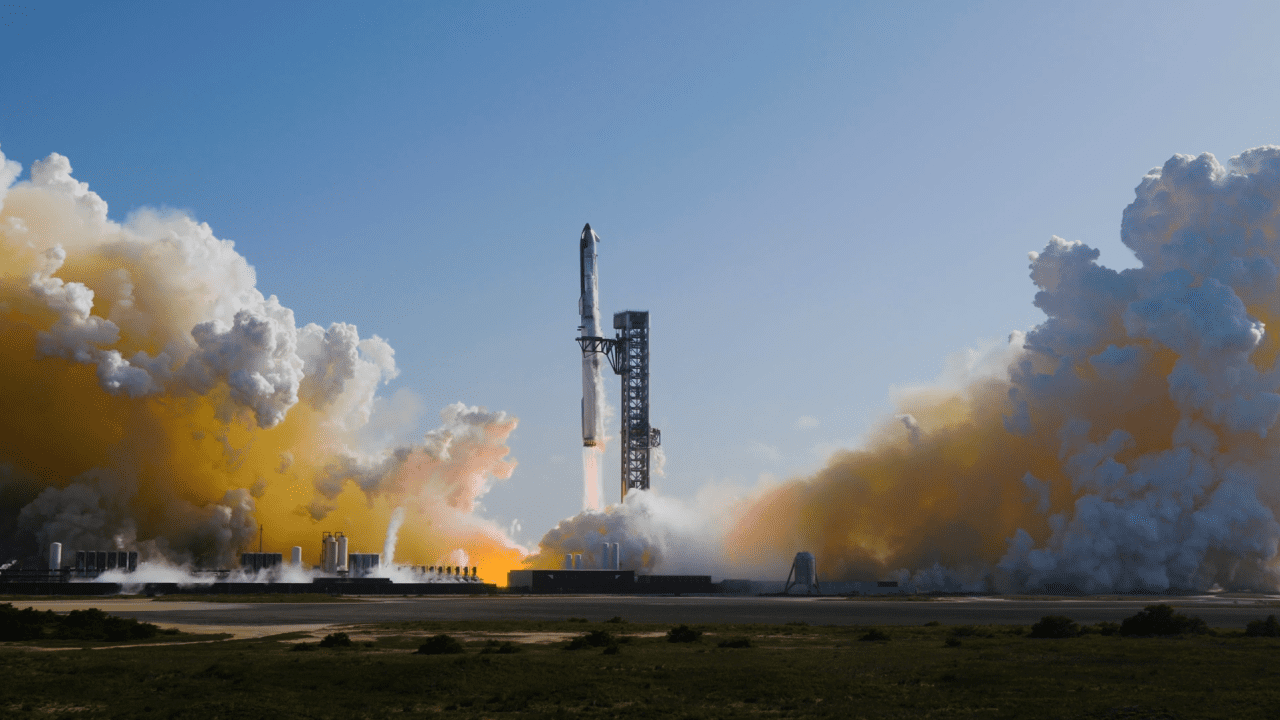
NASA’s SpaceX 35th commercial resupply mission lifted off at 6:33 a.m. EDT Tuesday aboard a Falcon 9 rocket from Space Launch Complex 40 at Cape Canaveral Space Force Station in Florida, carrying more than 6,300 pounds of supplies and hardware, bound for the International Space Station. Following its successful launch, the SpaceX Dragon spacecraft will […]
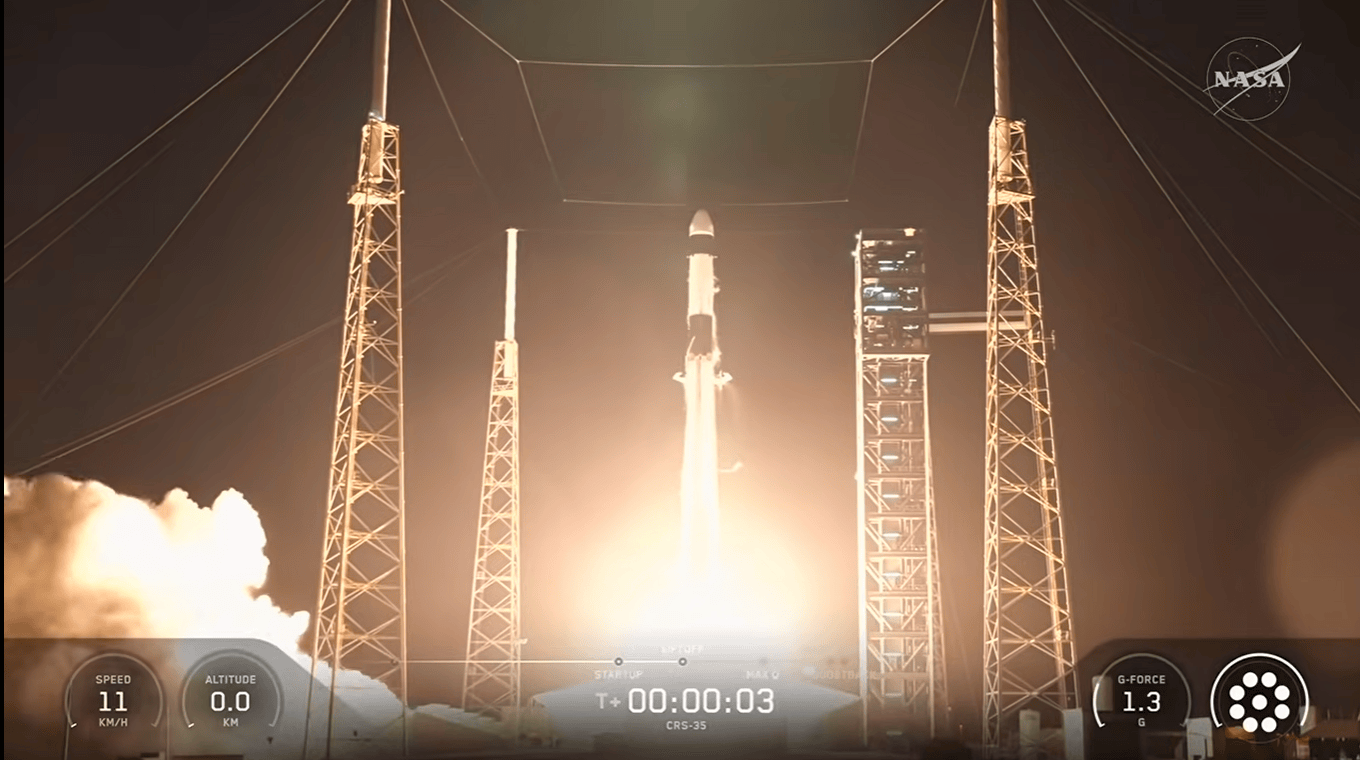
On Tuesday, October 13, 2026, a SpaceX Falcon 9 rocket and Dragon spacecraft successfully launched from Space Launch Complex 40 at Cape Canaveral Space Force Station in Florida for NASA's 35th Commercial Resupply Services mission to the International Space Station. The mission delivered over 6,300 pounds of supplies and hardware, including new scientific experiments, cargo, and the final pair of International Space Station Roll-Out Solar Arrays.
The Dragon spacecraft was scheduled to autonomously dock at the space-facing port of the Harmony module on Thursday, October 15, at 11 a.m. The final pair of solar arrays will complete the station's power system augmentation, providing additional electricity for research, operations, and the station's deorbit. Astronauts will install the arrays during spacewalks planned for later this fall.
The Dragon also carried several new experiments, such as artificial retinas to help restore vision on Earth, 3D heart tissue models for drug testing, and brain organoids to uncover treatment targets for neurodegenerative diseases. These experiments, among hundreds of investigations, benefit people on Earth and prepare for future space missions.
The Dragon spacecraft is expected to remain at the space station until mid-November, returning to Earth with time-critical research and cargo.
Written by urgent.news from NASA's reporting — not their text. Machine-written — may contain errors; check the original before relying on it.
This story
This is one outlet's version. Read the fullest account.
- NASA’s SpaceX CRS-35 Mission to Launch Health Research science.nasa.gov