NASA’s SpaceX CRS-35 Mission to Launch Health Research
NASA experiments focused on human and plant health and drug-resistant organisms will travel to the International Space Station aboard SpaceX’s 35th Commercial Resupply Services mission for the agency from Cape Canaveral Space Force Station in Florida, advancing research that benefits life on Earth and future exploration. This research supports astronaut health during long-duration missions…
NASA is set to launch its 35th Commercial Resupply Services mission from Cape Canaveral Space Force Station in Florida, carrying a variety of health research experiments to the International Space Station. These investigations, conducted by NASA's Biological and Physical Sciences division, aim to advance research that benefits life on Earth and future space exploration. Four key studies are aboard the SpaceX CRS-35 mission.
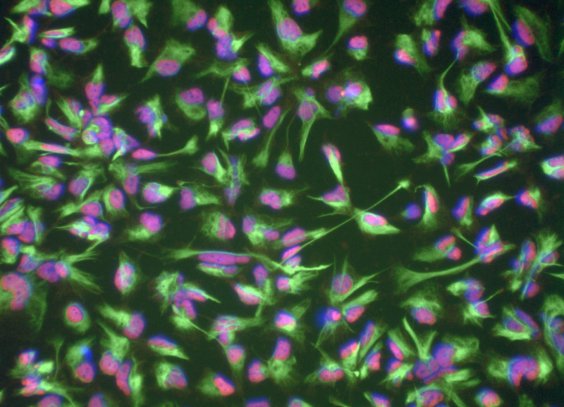
One experiment focuses on the human brain, with lab-grown models subjected to five weeks in microgravity to compare tissue changes with identical controls on Earth. This research could shed light on how the human brain responds to stress in space, potentially leading to methods to counter risks to brain health for future Moon and Mars missions.
Another study examines the impact of microgravity on crop diseases. Researchers compare molecular and structural differences between Earth-grown and space-grown plants infected with a fungus, which could help breed disease-resistant crops on Earth and optimize space agriculture systems.
The mission also includes the first test of a compact microplate reader, enabling quick analysis of biomarkers such as antibodies, antigens, and proteins on the space station. This advancement could facilitate timely detection of infections and other health issues in astronauts, as well as support scientific endeavors in remote exploration locations with limited resupply capabilities.
Lastly, the mission returns for the fourth and final planned stay of an investigation studying antibiotic-resistant bacteria. Astronauts repeatedly sample surfaces throughout the space station, monitoring drug-resistant organisms. This research could lead to methods protecting astronauts against bacterial infections during long-duration missions, while also offering insights into the development of superbugs on Earth due to antibiotic overuse.
For more information on NASA's biological and physical research in space, visit https://science.nasa.gov/biological-physical/.
Rewritten by urgent.news; may contain errors — check the original.
Sources: science.nasa.gov · nasa.gov