Log what your tools put in the context window before blaming the model
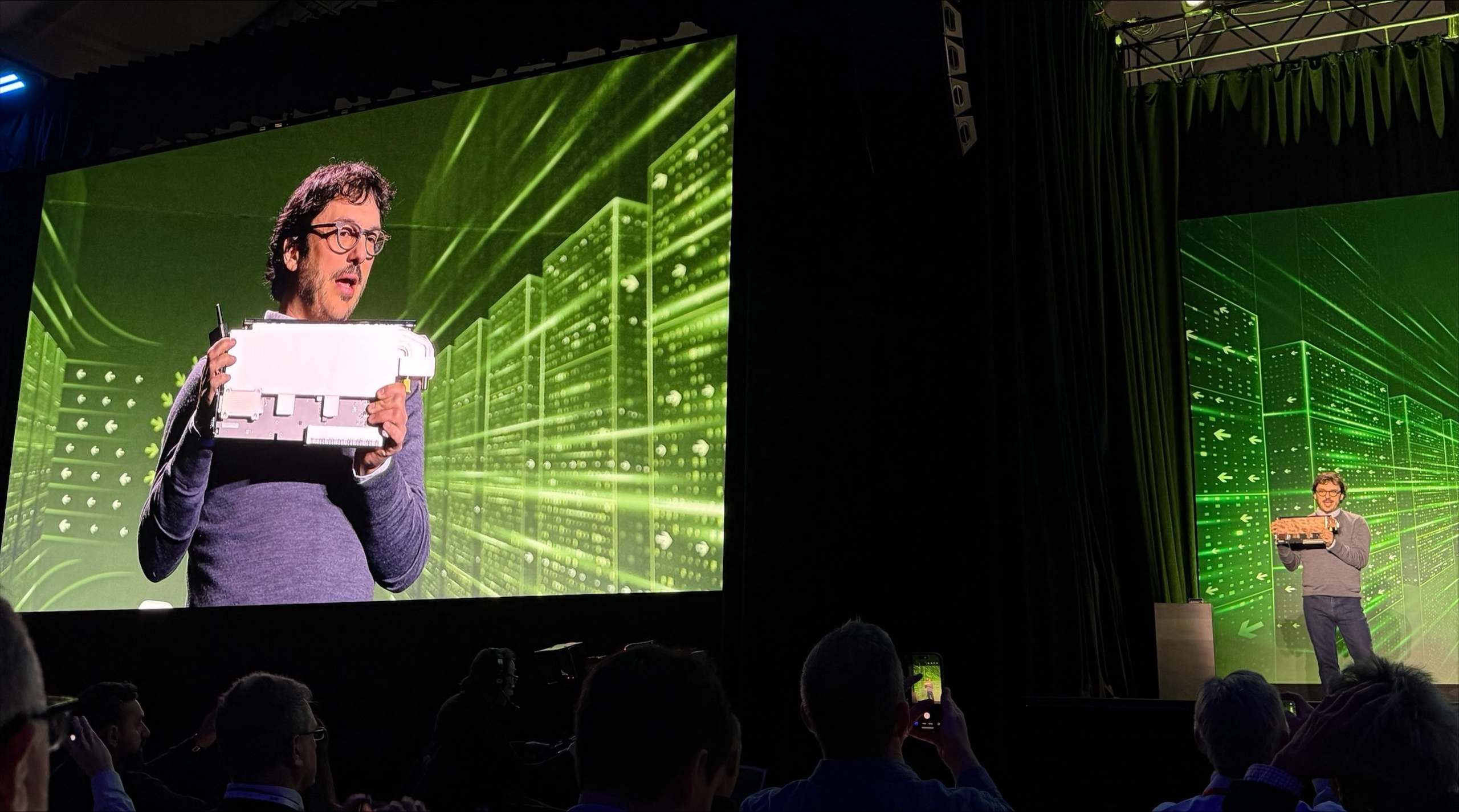
Ask an agent for one person's sales calls since February 1 and it can come back with calls that person wasn't on, even though the right ones were in its context. The data reaching the model causes that, and a live demo on Chain of Thought in March 2026 showed how. Michel Tricot, CEO and co-founder of Airbyte, ran the query against the Gong API directly. The API couldn't filter calls by user, so…
Airbyte's CEO Michel Tricot demonstrated a session where an agent returned sales calls that were not associated with a specific person, even though the correct calls were present in the context. The issue stemmed from the agent receiving too much data in the context window, making it difficult for the agent to filter relevant information.
The agent reviewed each call over a month and a half, consuming over 30,000 tokens and returning more than 45 calls due to the large context size. The problem lies in the data provided to the model, not the model itself. To address this, Tricot suggests logging the insertion point where a tool result becomes model-visible text, recording the tokens added and the IDs of records delivered.
This helps identify if the answer used the correct records. Comparing delivered IDs with the records needed can help identify any wrong claims. Filtering and projecting before inserting data into the model's context is crucial to prevent "context poisoning."
Written by urgent.news from Dev.to's reporting — not their text. Machine-written — may contain errors; check the original before relying on it.