FBI arrests Saudi OpenAI employee for allegedly bugging San Francisco office
The FBI said on Wednesday it has arrested a Saudi national employed as an engineer at OpenAI on suspicions that he had bugged a conference room at the company's San Francisco office with a "sophisticated recording device".
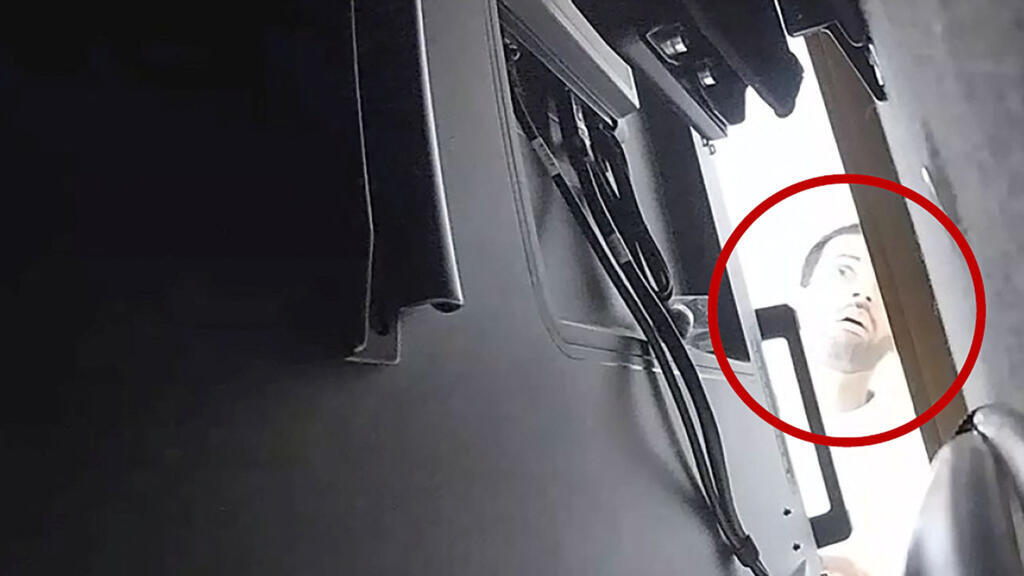
OpenAI terminated an employee after discovering a sophisticated recording device hidden in one of its conference rooms in San Francisco. The ChatGPT-maker announced the firing on October 14, stating that the individual planted the device a few days prior. The U.S. FBI is now investigating the matter, with the Justice Department confirming the arrest of the individual involved, Abdulrahman Alfozan, a 35-year-old Saudi Arabian national who had been working at OpenAI since July 2025.
OpenAI noted that there were no indications the employee improperly accessed or exfiltrated sensitive data. CCTV footage showed Alfozan near the conference room, and his productivity tool was used to track company meetings. Surveillance also revealed a chatbot account associated with his spouse, with prompts related to recording devices.
Another similar device was found in his bag, and an image of him appearing to look at the hidden device's location emerged. FBI Director Kash Patel emphasized the matter's significance for national security, while Director of National Intelligence Jay Clayton stated that a conviction for Alfozan could result in a five-year prison sentence, a $250,000 fine, and three years of supervised release.
Written by urgent.news from The Hindu - Sci-Tech's reporting — not their text. Machine-written — may contain errors; check the original before relying on it.
This story
This is one outlet's version. Read the fullest account.
- Saudi OpenAI engineer arrested for planting hidden device to record executive meetings timesofindia.indiatimes.com
- OpenAI fires employee after finding recording device in conference room thehindu.com
- Saudi man arrested over hidden recorder at OpenAI office punchng.com
- FBI arrests Saudi OpenAI employee for allegedly bugging San Francisco office france24.com
- OpenAI employee arrested for allegedly bugging conference room cbsnews.com
- FBI arrests Saudi OpenAI employee who allegedly planted recording device in conference room cnbc.com
- Saudi-born engineer for OpenAI arrested for planting listening bug aljazeera.com