Why the US-China trade truce matters
Though a modest measure, the extension of the trade truce has given an unstable world economy a reprieve.
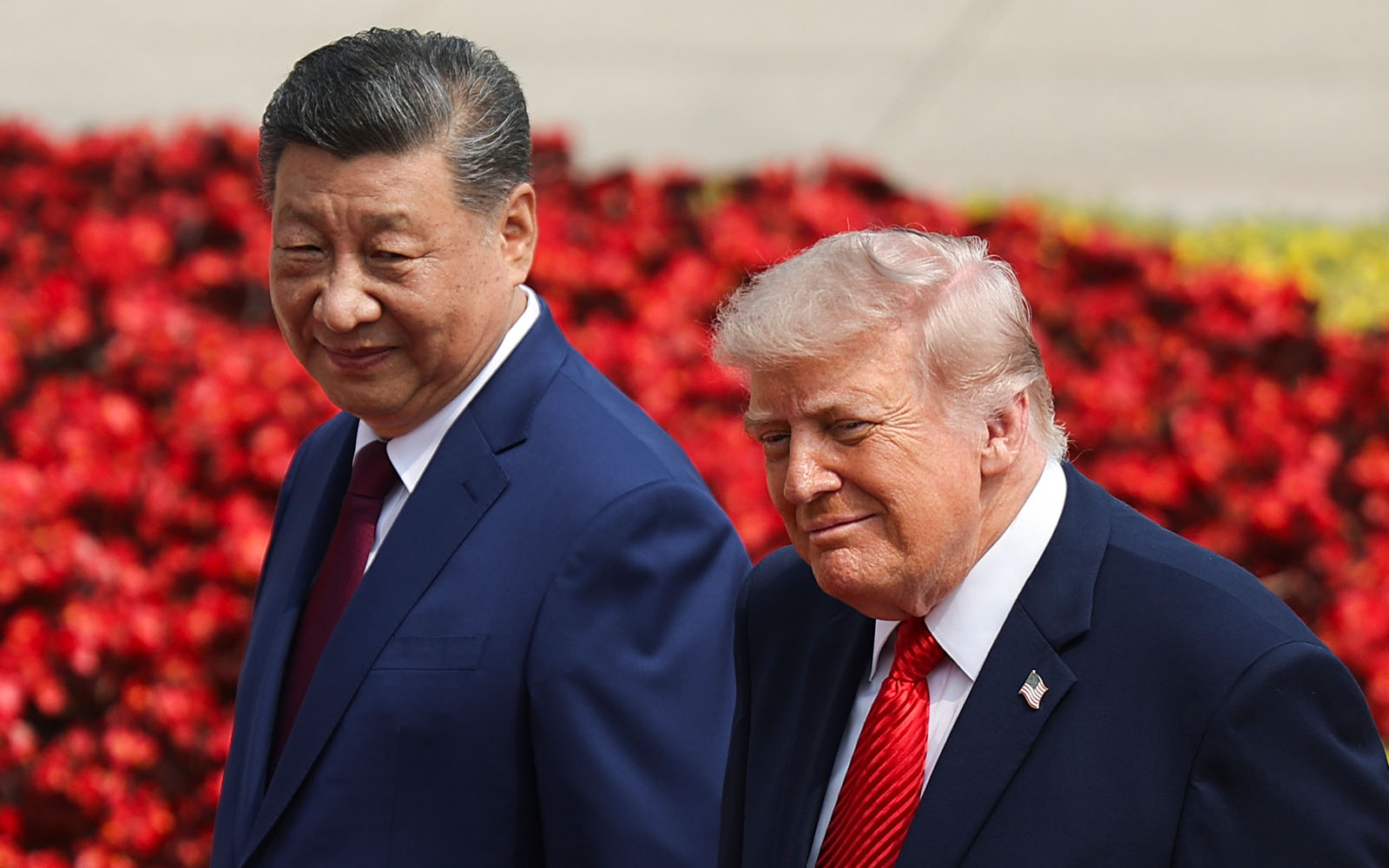
The recent state visit to Washington by Chinese President Xi Jinping did not yield groundbreaking outcomes, yet it did extend the ongoing trade truce initiated by President Xi and US President Donald Trump in Busan, South Korea, last October. This extension, now set to last until January 10, 2027, has provided a momentary respite for an economy fraught with instability.
At its core, the agreement is straightforward: China will cease enforcing export controls on rare earths and related materials, while the US will refrain from imposing further tariffs, maintaining the overall duty on Chinese goods at around the 47% mark since Busan (down from 57%). Despite complaints from both parties about adherence to the pact, neither desires its premature termination prior to subsequent meetings scheduled in Shenzhen and Miami.
China wields significant influence in this matter. It controls about 60-70% of global rare-earth mining and 85-90% of processing, a critical stage that transforms mixed ores into oxides essential for various technologies. Regarding heavy rare earths, China's dominance is even more pronounced, processing almost all dysprosium and terbium - crucial for electric vehicle magnets, wind turbines, and missile guidance systems.
Presently, the US and its allies possess extraction capabilities for only seven or eight of the 17 rare earths, with processing capacities virtually non-existent. However, this situation might evolve within the next decade, potentially reaching near-parity in processing, albeit dysprosium and terbium will likely remain largely under Chinese control. While advancements in processing or a shift towards fewer rare earths dependency could alter this dynamic, such outcomes remain uncertain.
The belief that "de-risking" from China would unequivocally benefit the US and Europe is questionable, given recent geopolitical shifts. With the US seemingly unbothered by the tariff costs impacting American households, there is no assurance that subsequent tariff rounds will be restrained. In fact, by threatening to reduce but not eliminate the rare-earth supply, China might inadvertently prevent Trump from overextending his economic policies.
The European Union, similarly cautious about raising tariffs on Chinese goods, faces similar constraints. Despite its Critical Raw Materials Act aiming for 40% domestic processing by 2030, current capacity hovers around 25%. Japan, despite spending over a decade and nearly $1.2 billion on diversification from China following a 2010 rare-earths dispute, has seen its heavy rare-earth imports plummet by 70-80% early 2026 due to export controls.
Export controls, ostensibly targeting military applications, have inadvertently led to reduced US exports and increased Chinese imports. This is partly because US suppliers failed to secure new buyers, resulting in revenue, profitability, and employment losses. Conversely, a 2023 input-output study suggests the US has incurred relative losses, with Japanese, South Korean, and European firms capitalizing on the resulting market share.
In a world lacking a functional rules-based trading system, a precarious status quo stabilized by mutual leverage may be preferable to unilateral dominance or chaos. Should the ongoing disputes spur a return to multilateral negotiations, it would be a welcome development. Shang-Jin Wei, a former chief economist at the Asian Development Bank and professor at Columbia Business School, endorses this perspective, emphasizing the complexities and potential benefits of maintaining this fragile equilibrium.
Written by urgent.news from Free Malaysia Today's reporting — not their text. Machine-written — may contain errors; check the original before relying on it.
This story
This is one outlet's version. Read the fullest account.
- Why the US-China trade truce matters freemalaysiatoday.com