Why the US-China trade truce matters
Though a modest measure, the extension of the trade truce has given an unstable world economy a reprieve.
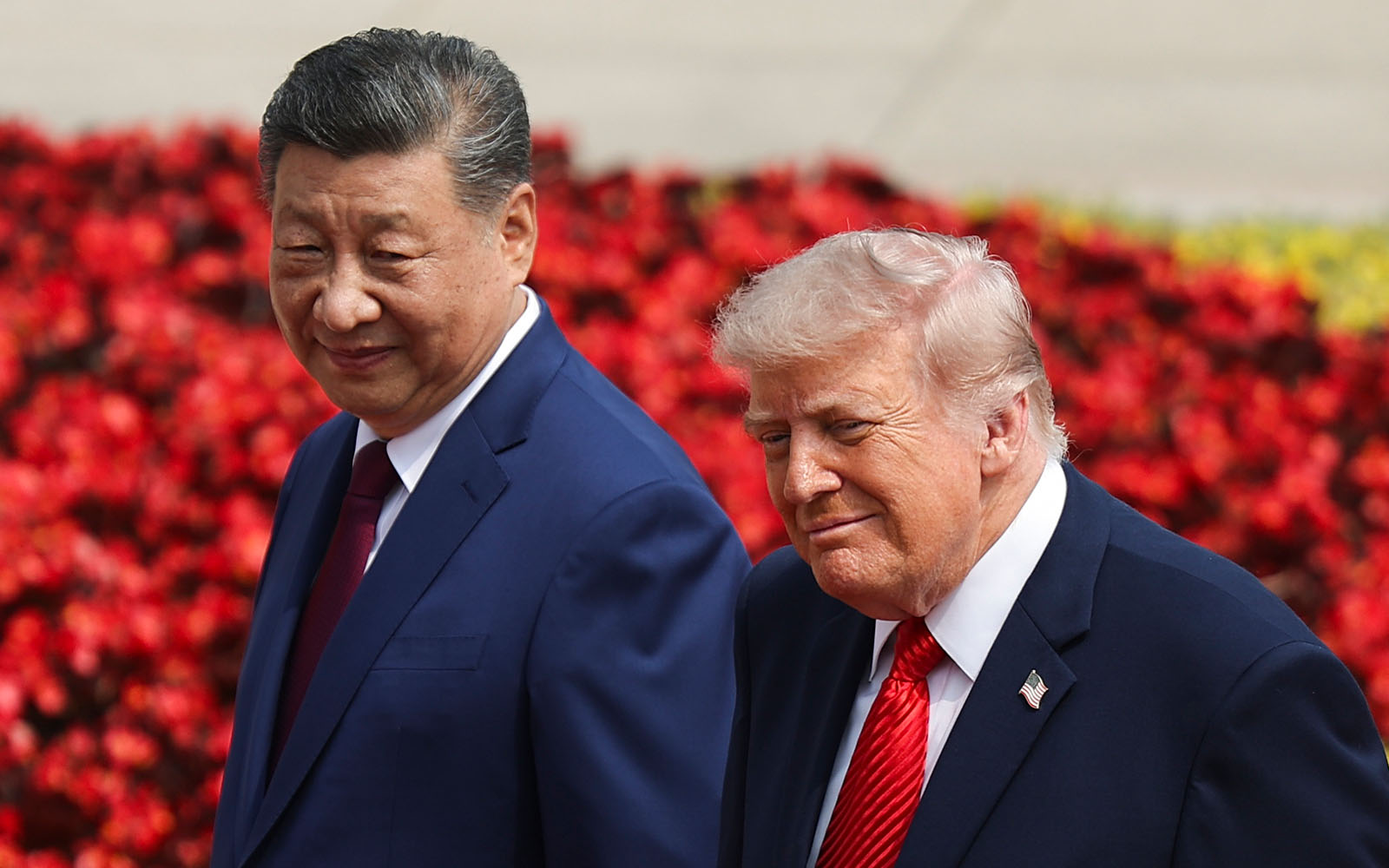
In September, Chinese President Xi Jinping's state visit to Washington did not yield a major new agreement but did extend the trade truce struck in Busan, South Korea, last October. This truce, originally set to expire on November 10, 2026, will now extend until January 10, 2027. The agreement is straightforward: China will halt enforcement of export controls on rare earths and related materials, while the US will refrain from raising tariffs further, maintaining the overall duty on Chinese goods near the 47% level agreed upon at Busan (down from 57% previously).
Despite occasional complaints about compliance, neither side wishes for the truce to end before their next meetings, scheduled in Shenzhen in November and Miami in December.
China wields significant influence in this agreement due to its control of the rare-earth mining and processing sectors. Roughly 60-70% of global rare-earth mining and 85-90% of rare-earth processing take place in China, particularly for heavy rare-earth elements crucial to electric-vehicle magnets, wind turbines, and missile-guidance systems.
This means the US and its allies control only seven or eight of the 17 rare earths in terms of extraction, and even then, processing capacity is minimal. While Australia's Lynas and the US-based MP Materials produce commercial volumes of lighter rare earth elements, the processing figure is expected to grow to five elements within ten years, still leaving dysprosium and terbium predominantly under Chinese control.
The stability provided by this truce is critical for the global economy. As geopolitical tensions rise and the US under the Trump administration appears indifferent to the impact of tariffs on households, the threat of further trade restrictions looms. China's willingness to allow the truce to continue may be a temporary mitigating factor, preventing a more severe economic downturn.
The European Union, similarly reliant on Chinese inputs, faces challenges in meeting its own Critical Raw Materials Act targets for domestic processing. While Japan has long sought to diversify away from China, its heavy rare-earth imports have plummeted by 70-80% since early 2026, highlighting the fragility of alternative supply chains.
Export controls, originally intended to regulate military applications, have had unintended consequences, including reduced exports from the US and increased imports by China. These controls have negatively affected US firms, leading to revenue losses, decreased profitability, and job cuts. Oxford Economics estimates China has suffered a cumulative 0.8% GDP loss due to export controls, while the US has potentially lost more, with Japanese, South Korean, and European firms capturing market share.
In a world lacking a functioning rules-based trading system, a fragile status quo, stabilized by mutual leverage, may be preferable to unilateral dominance or chaos. If this stalemate spurs a return to multilateral negotiations, it would be ideal. Shang-Jin Wei, a former Asian Development Bank chief economist and professor at Columbia Business School, emphasizes that while the current situation may not be ideal, it is better than the alternative of aggressive unilateral actions or widespread economic turmoil.
Written by urgent.news from Free Malaysia Today's reporting — not their text. Machine-written — may contain errors; check the original before relying on it.
Also reported by 1 other outlet
- Why the US-China trade truce matters freemalaysiatoday.com