Shares cautious in Asia as earnings loom, oil slips
Wider spreads suggest investors doubt whether AI revenues can keep pace with rising borrowing costs, says an analyst.
Asian share markets began Monday with caution as companies prepare to report earnings, a concern for high tech valuations. Oil prices fluctuated following strikes on Gulf shipping and airports. U.S. President Donald Trump's attempt to broker an energy ceasefire between Ukraine and Russia, though unconfirmed by either side, faced criticism from both Republican and Democratic senators as potentially illegal.
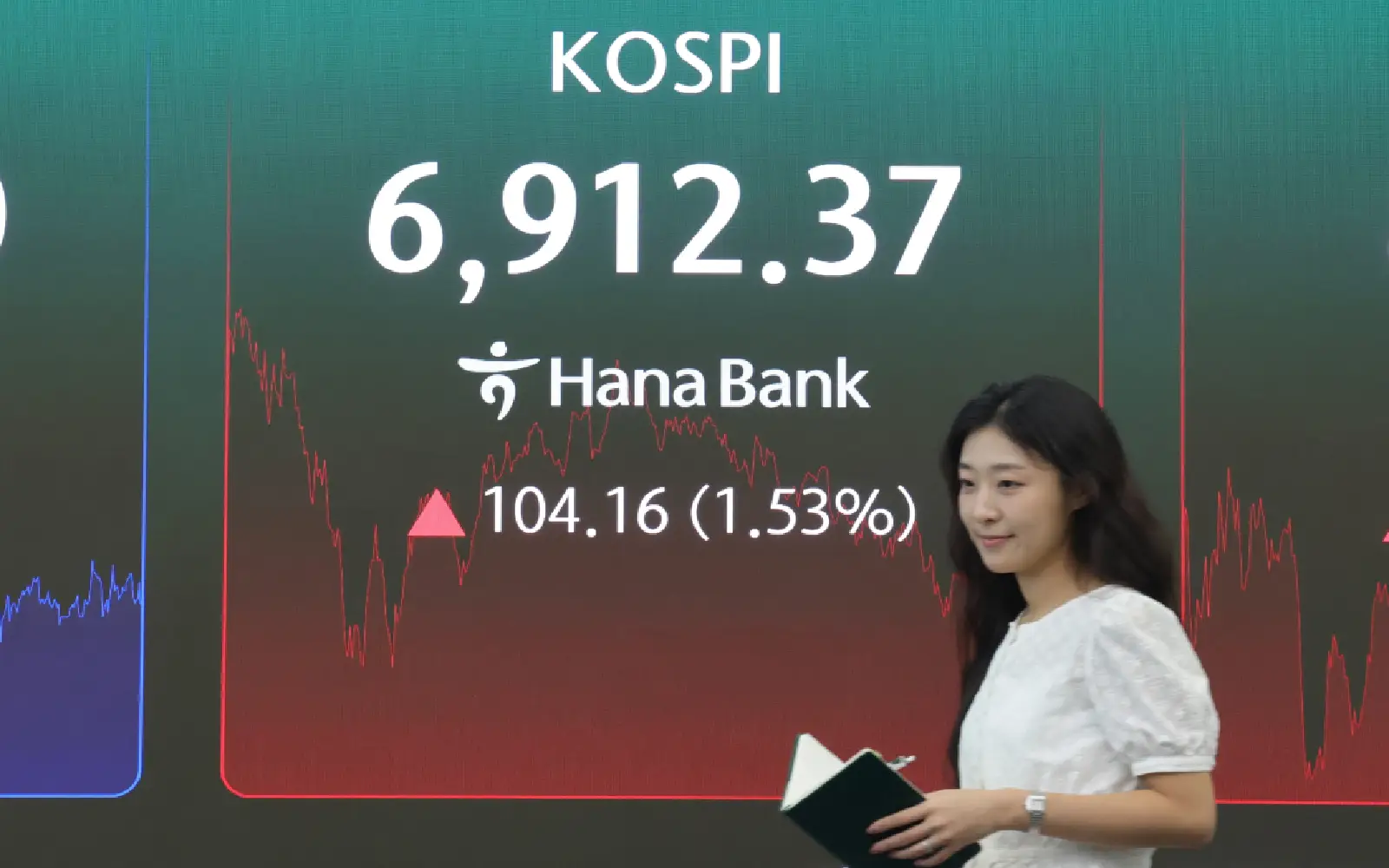
Following Trump's proposal for Russia to increase diesel exports, Brent crude futures dipped 1.1% to $103.50 a barrel, recovering from a recent high of $109.97. Similarly, U.S. crude prices fell 1.2% to $90.73 a barrel. South Korean stocks slipped 1.1%, while the MSCI's Asia-Pacific index, excluding Japan, stayed steady. On Wall Street, S&P 500 futures edged up 0.2%, while Nasdaq futures rose 0.5%.
In Europe, EUROSTOXX 50 futures inched higher by 0.4%, with DAX and FTSE futures also gaining 0.4% and 0.3%, respectively. The market saw limited trading as Japanese markets were closed and the U.S. observed a partial holiday. Anticipated S&P 500 earnings for Q3 rose by more than 30%, primarily driven by the tech sector. These gains have been attributed to investors' demand for higher yields to finance significant borrowing for AI technology.
My Bui, an economist at AMP, pointed out that all S&P 500 advancements since mid-September were in tech, as investors seek higher yields to support the substantial borrowing for AI. Increased spreads indicate that investors doubt the ability of AI revenues to keep pace with rising borrowing costs, according to Bui. Corporate bond issuance to fund AI capex, coupled with wider high-yield spreads, will elevate refinancing costs as existing debt matures over the next few years.
As the current debt wave nears maturity, US CPI is expected to surge to 3.7%, while core inflation is projected to remain relatively stable at 0.2%, and 2.5%. Oil prices have exceeded initial projections due to soaring shipping costs, and product prices are even higher. Bruce Kasman, head of global economics at JPMorgan, highlighted the inflation signals, predicting a sharp rise in headline inflation and a firming in core inflation, keeping central banks focused on near-term rate hikes.
Only 18% of investors anticipate a Federal Reserve rate increase this month, but an 85% chance of a hike in December. Investors are also betting on rate hikes in the EU, Japan, and the UK before year's end. The euro remained vulnerable at $1.1201, having declined for five consecutive weeks, driven by concerns over government deficits in Europe.
The dollar index held near a 17-month high at 102.25 and has stalled on the yen at 158.15, as the prospect of Japanese intervention prevents speculative activity for now. In the commodity markets, non-interest-bearing gold increased by 0.3%, reaching $4,206 an ounce, after gaining more than 1% the previous week.
Written by urgent.news from Free Malaysia Today's reporting — not their text. Machine-written — may contain errors; check the original before relying on it.
This story
This is one outlet's version. Read the fullest account.
- Shares cautious in Asia as earnings loom, oil slips freemalaysiatoday.com
- Shares cautious in Asia as earnings loom, oil slips channelnewsasia.com
- Shares cautious in Asia as earnings loom, oil slips brecorder.com
- Asia stocks mixed as oil retreats, earnings season gathers pace investing.com