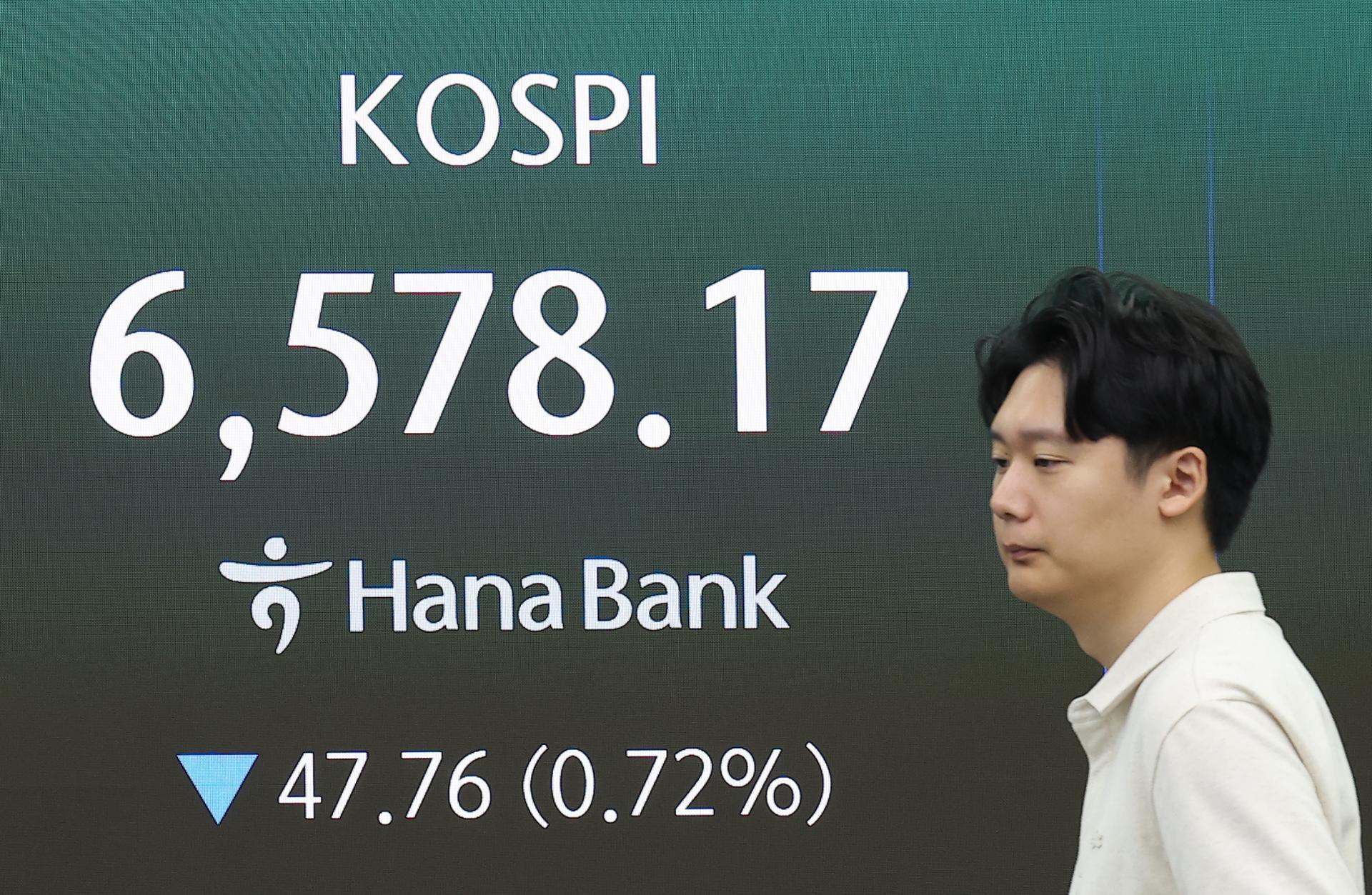
Shares cautious in Asia as earnings loom, oil slips
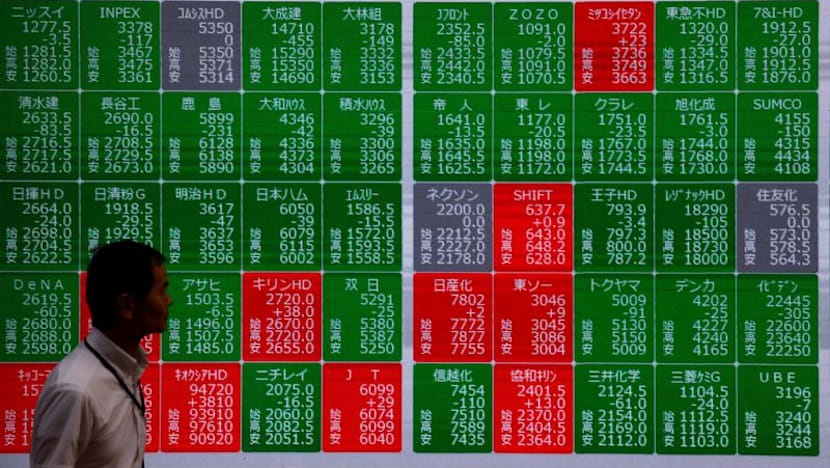
Asian share markets opened cautiously on Monday as companies prepare to report earnings, potentially affecting lofty tech valuations. The situation became more complicated following President Trump's announcement of an energy ceasefire between Ukraine and Russia, a proposal that neither nation has confirmed. The ceasefire also sparked criticism from both Republican and Democratic senators, who deemed it potentially illegal due to its impact on Russia's diesel exports.
Brent futures experienced a slight decline, falling 1.1% to $103.50 per barrel, briefly dropping below the recent high of $109.97. Meanwhile, US crude futures fell 1.2% to $90.73 per barrel. In the United States, S&P 500 futures increased by 0.2%, while Nasdaq futures rose by 0.5%. Europe saw EUROSTOXX 50 futures climb by 0.4%, DAX futures rise by 0.4%, and FTSE futures increase by 0.3%.
Despite the cautious start to trading, investors remain optimistic about corporate earnings. LSEG IBES predicts S&P 500 earnings will grow by over 30% in the third quarter, driven primarily by the technology sector. However, concerns have emerged regarding the ability of AI revenues to withstand rising borrowing costs. The US investment-grade credit default swap index, which gauges the cost of insuring against default, surged to its highest level since the Iran war began, indicating heightened investor skepticism about AI revenues meeting higher financing expenses.
Corporate bond issuance to finance AI capital expenditures, combined with widening high-yield spreads, could lead to increased refinancing costs as existing debt matures over the next few years. US consumer and producer prices, as well as retail sales, will be key indicators this week. Rising energy costs are anticipated to push the Consumer Price Index (CPI) up by 0.6% to an annual 3.7%, while core inflation is expected to remain relatively stable at 0.2% and 2.5%.
Bruce Kasman, JPMorgan's head of global economics, attributes the higher oil prices to increased shipping costs and elevated product prices, underscoring the current inflationary pressures. Inflation outlooks suggest a significant rebound in headline inflation, potentially prompting the Federal Reserve to raise interest rates, with only an 18% chance of a rate increase this month and an 85% probability of a hike in December.
Market expectations also include rate hikes in the European Union, Japan, and the United Kingdom before the year ends.
Meanwhile, the euro continued to struggle at $1.1201, experiencing its fifth consecutive weekly decline due to concerns over government deficits in Europe. The dollar index nears 17-month highs at 102.25 but has stalled on the Japanese yen at 158.15, as any potential Japanese intervention discourages speculative activity for now. In the commodity market, gold increased by 0.3% to $4,206 an ounce after a more than 1% gain the previous week.
Written by urgent.news from CNA - Business's reporting — not their text. Machine-written — may contain errors; check the original before relying on it.
Also reported by 1 other outlet
- Shares cautious in Asia as earnings loom, oil slips channelnewsasia.com