Asia stocks mixed as oil retreats, earnings season gathers pace
Stock markets in Asia began the trading day on Monday with a mixed performance as companies prepared to release earnings, while oil prices declined amid uncertainty over potential Russian energy exports. The ongoing conflict in the Gulf region, including strikes on shipping and airports, complicated the oil supply situation. President Donald Trump's announcement of an energy ceasefire between Ukraine and Russia added further complexity, with the proposal to increase Russia's diesel exports also facing opposition from both Republican and Democratic senators for possible illegality.
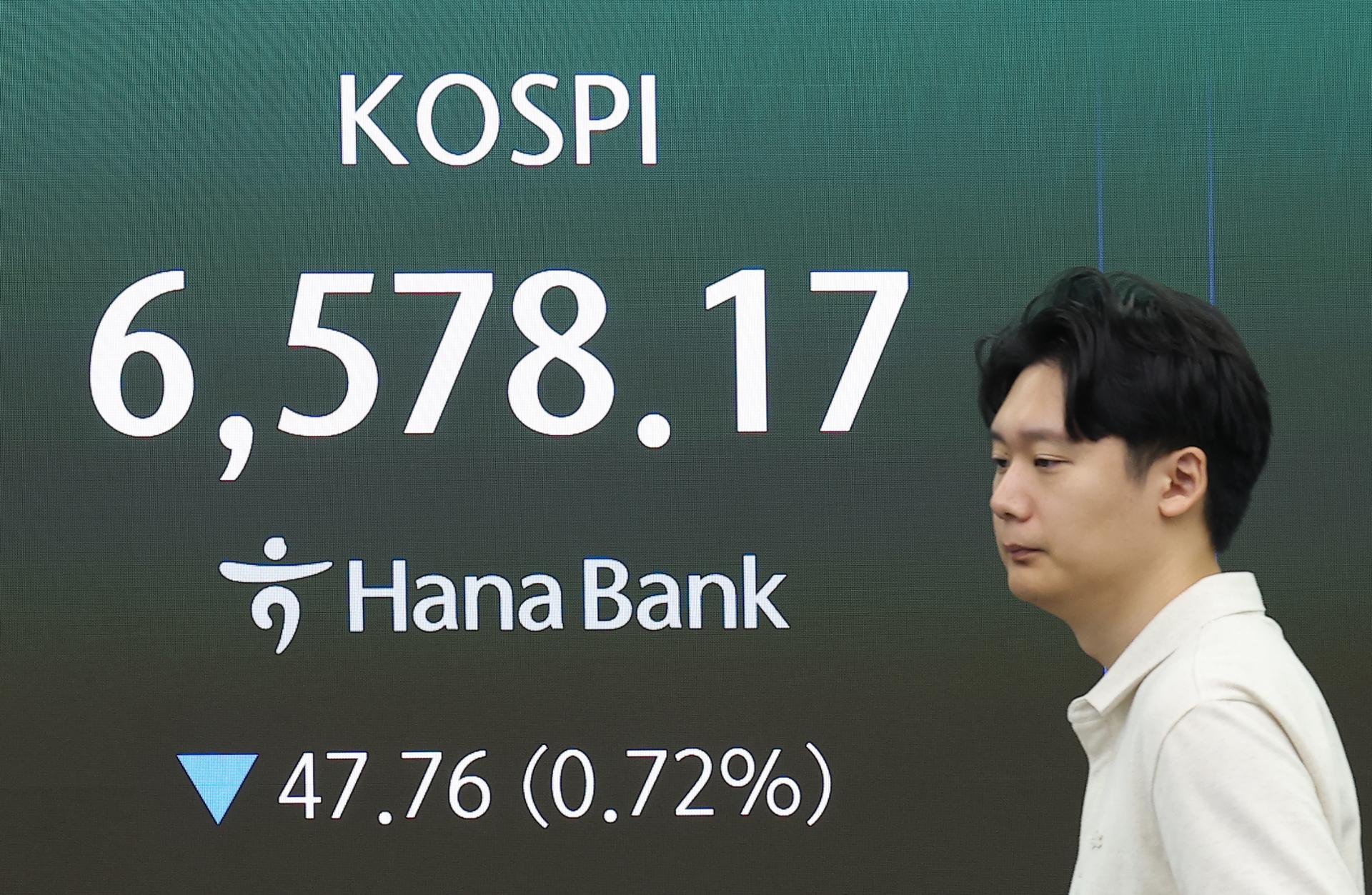
Brent futures opened the day higher but quickly fell by 1.6 percent to $103.01 a barrel, falling below its recent peak of $109.97. US crude futures saw a larger decline of 1.9 percent to $90.11 a barrel. South Korean stocks dropped 2.2 percent, while Taiwanese shares fell 0.5 percent. The MSCI Asia-Pacific index, excluding Japan, fell 0.3 percent, and Chinese blue chips gained only 0.1 percent.
On Wall Street, S&P 500 futures rose by 0.3 percent, and Nasdaq futures increased 0.4 percent. In Europe, EUROSTOXX 50 futures rose 0.5 percent, while DAX futures climbed 0.6 percent and FTSE futures gained 0.4 percent. Trading was light due to Japanese markets being closed and the US observing a partial holiday ahead of the earnings season, which officially started on Tuesday with major US banks leading the way.
TSMC, the world's largest manufacturer of advanced AI chips, is expected to report record earnings for a sixth consecutive quarter on Thursday. S&P 500 earnings are projected to surge by more than 30 percent in the third quarter, with the majority of the growth originating from the tech sector, according to LSEG IBES. However, this optimistic outlook has been fueled by the increased borrowing for AI development, which has led to higher demand for greater yields from investors.
Corporate bond issuance to fund AI capex, combined with widening high-yield spreads, may increase refinancing costs as existing debt matures over the next few years. The US CPI is anticipated to rise, reaching 3.7 percent annually due to increased energy costs, although the core inflation rate is expected to remain relatively stable at 0.2 percent and 2.5 percent.
Oil prices have remained higher than initially anticipated, as shipping costs have surged and product prices have also increased, according to Bruce Kasman, head of global economics at JPMorgan.
Inflation signals suggest a significant rebound in headline inflation, putting pressure on purchasing power and keeping central banks focused on near-term interest rate hikes. The probability of a Federal Reserve rate increase this month is at 18 percent, rising to 85 percent by December. Investors are also banking on hikes in the EU, Japan, and Britain before the end of the year.
In currency markets, the euro has struggled at $1.1201, having fallen for five consecutive weeks due to concerns over government deficits in Europe. The dollar index has hovered near 17-month highs at 102.25, but has stalled around the yen at 158.19, as the possibility of Japanese intervention discourages speculators at present. In commodity markets, non-interest-bearing gold rose 0.4 percent to $4,212 an ounce, having previously gained more than 1 percent during the previous week.
Written by urgent.news from Channel News Asia's reporting — not their text. Machine-written — may contain errors; check the original before relying on it.
This story
This is one outlet's version. Read the fullest account.
- Shares cautious in Asia as earnings loom, oil slips freemalaysiatoday.com
- Shares cautious in Asia as earnings loom, oil slips channelnewsasia.com
- Shares cautious in Asia as earnings loom, oil slips brecorder.com
- Shares seesaw in Asia as earnings loom, oil skids investing.com