‘Pine trees are underrated’: How they protect soil, store carbon and support livelihoods
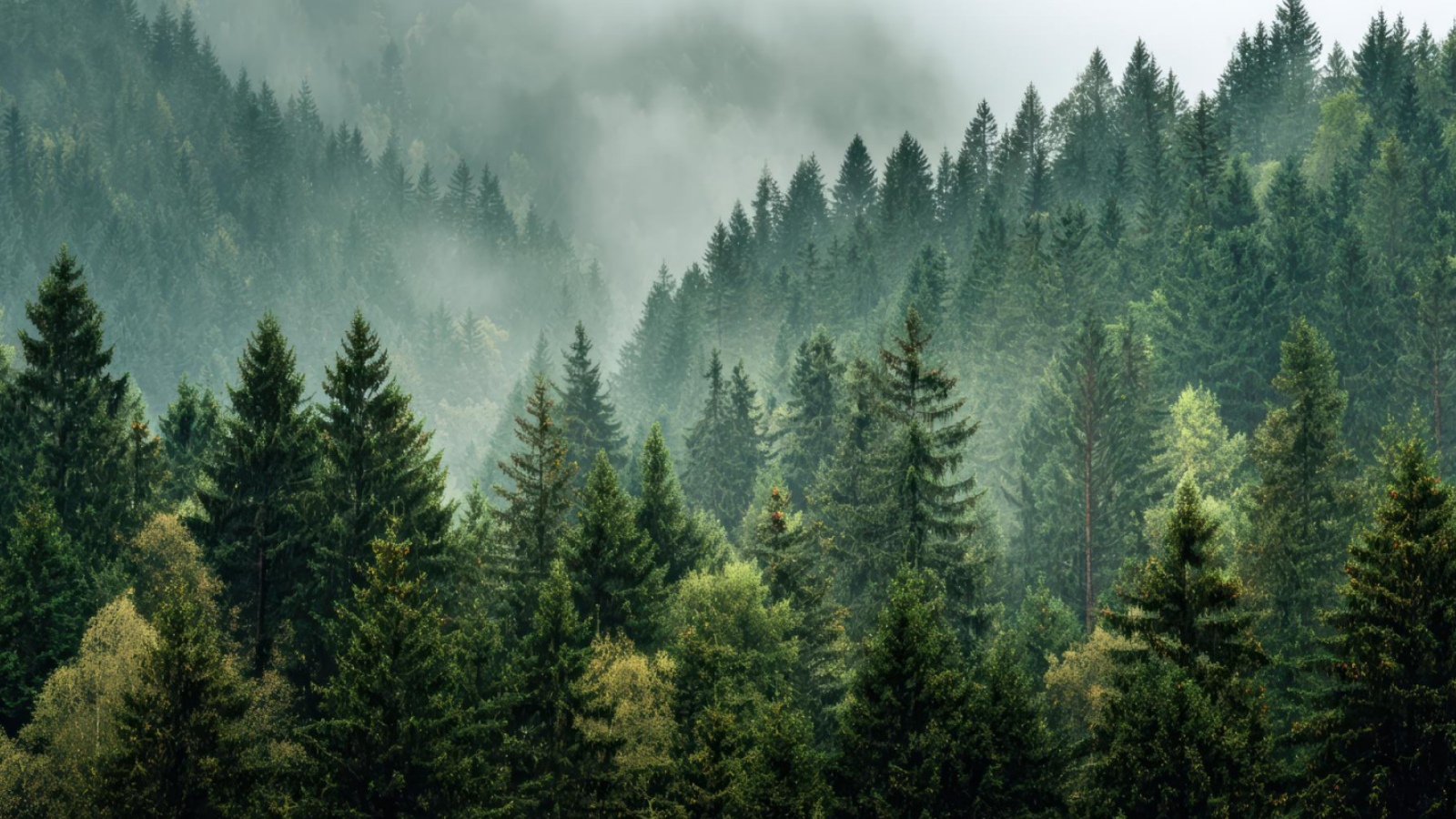
Pine trees, often seen as picturesque in the Himalayas, play a vital role in local ecosystems and economies. However, planting them excessively without proper consideration can lead to environmental problems. Ecologist Jasmit Singh Arora, known as the 'Gutliman of India', advises against dismissing pine trees as harmful or treating them as a one-size-fits-all solution. Instead, understanding their benefits and drawbacks in specific landscapes is essential.
Pine trees are often overlooked, but they are crucial in the Himalayas. They can thrive in poor soil where other species struggle and absorb carbon dioxide, making them relevant in discussions about climate change. Their wood and resin also provide economic benefits for local communities.
However, planting too many pine trees can cause ecological issues. Arora warns that single-species plantations can harm the environment. The lack of biodiversity can make these areas more susceptible to fires, as dry pine needles can become fuel during hot, dry periods. Fire severity depends on factors like temperature, wind, humidity, terrain, and forest management.
Another concern is water availability. Pine forests interact with local water cycles through various processes, and their effects vary based on species, forest density, soil conditions, and local climate. In some areas, extensive tree cover can reduce water reaching streams and springs, making it crucial to consider local hydrology before large-scale planting projects.
While pine trees can help mitigate climate change by storing carbon, Arora emphasizes that they should not be viewed as a universal solution. Large areas planted with a single tree species can be vulnerable to common threats, including fires, pests, diseases, and changing weather conditions. He suggests maintaining a balance between pine and other suitable tree species to keep the Himalayas healthy and safe.
For responsible tree-planting initiatives, Arora recommends selecting species suited to the local environment rather than prioritizing a single tree across different landscapes. He advises considering native species, forest diversity, water availability, fire prevention, and long-term survival when planning afforestation and restoration projects.
Written by urgent.news from The Indian Express - Lifestyle's reporting — not their text. Machine-written — may contain errors; check the original before relying on it.