700,000-Year-Old Elephant Tooth Reveals a Lost Ecosystem Shared by Early Humans
Discover what fossilized elephant teeth and tusk fragments can tell us about prehistoric ecosystems.
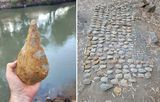
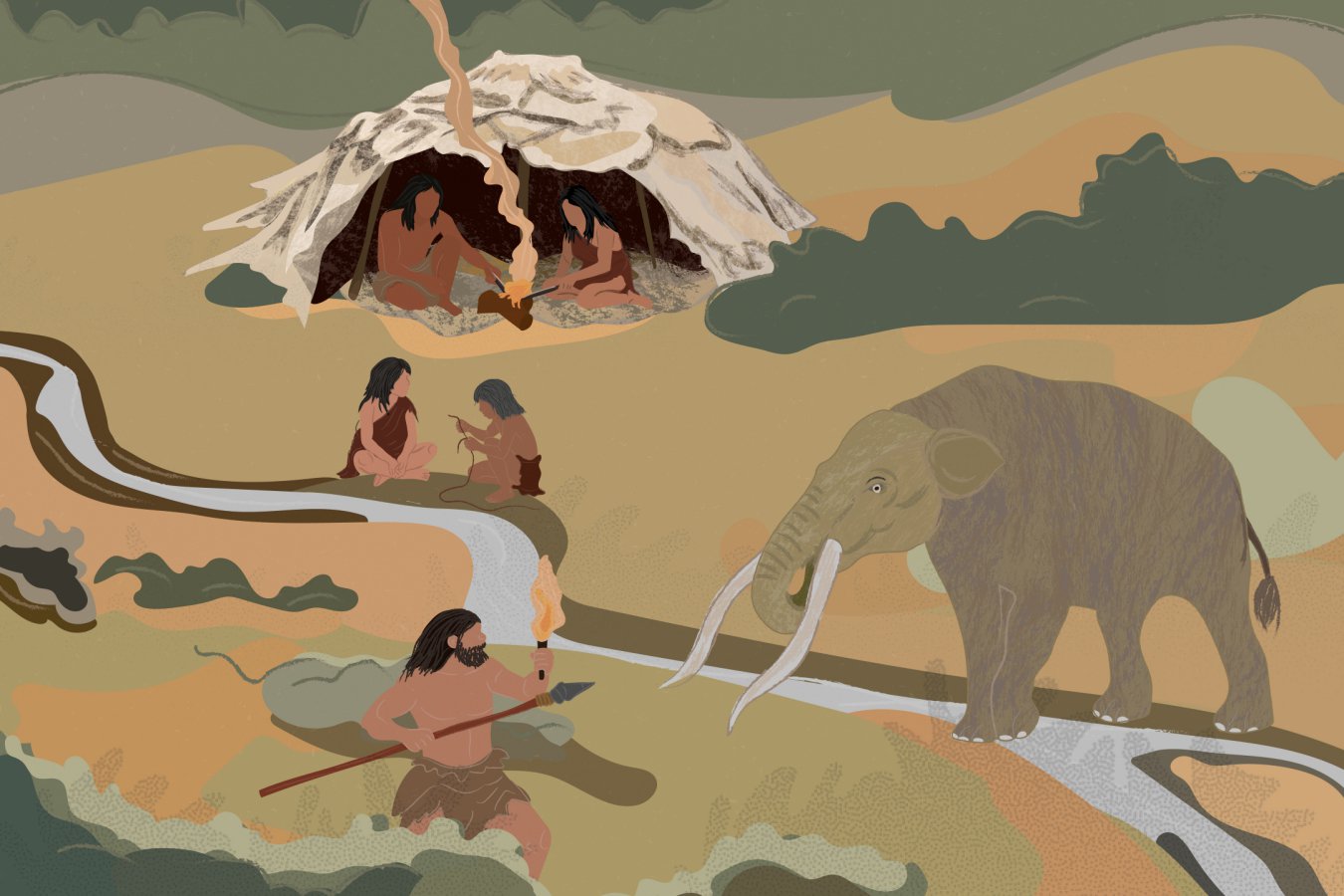
Seven hundred thousand years ago, an elephant roamed the woodlands and wetlands of the Upper Jordan River in present-day Israel. Its remains, uncovered at North of Bridge Acheulian site, offer a glimpse into the Pleistocene ecosystems and the communities that inhabited the area. A team of researchers, led by Hannah Farrell, a Ph.D. candidate at Haifa University, studied the elephant's molars and tusk fragments to reconstruct the environment.
The findings indicate that the region was characterized by a humid Mediterranean climate, with woodlands, wetlands, and waterways providing a suitable habitat for both the elephant and early humans. The research, published in Quaternary Science Reviews, suggests that the landscape featured a mosaic of wetlands, oak woodlands, and grasses, along with riparian vegetation.
This environment likely played a crucial role in shaping the lives of the elephants, hominins, and other species that thrived in the area.
Written by urgent.news from Discover Magazine's reporting — not their text. Machine-written — may contain errors; check the original before relying on it.