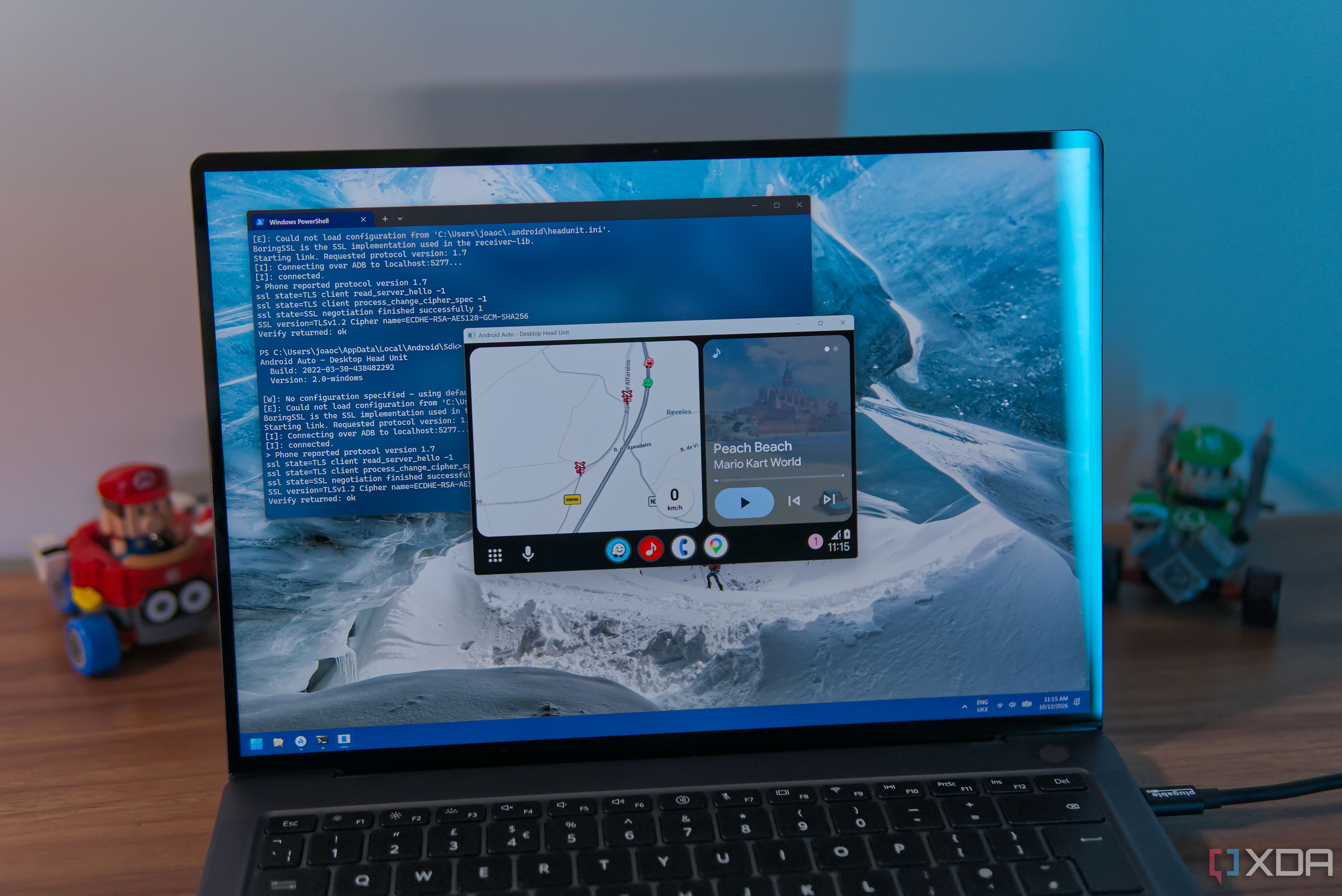
I installed Google's official Android Auto emulator, and now I test all my apps before they go near my car
Testing new Android Auto apps used to be a gamble, but since I discovered I can try them easily at home, things have been much easier.
I faced a problem with GitHub notifications being drowned in noise, making it hard to identify my urgent tasks. The solution I created is called GitHub Digest. It logs in users with GitHub and sorts notifications into three categories: those needing immediate attention, worth reviewing today, and items that can be ignored. Each item receives a concise AI-generated summary and a brief description of why it's there.
Users can mute notifications for items they don't care about. Review requests left unattended for two days receive a "Waiting" badge. The backend is built with Node.js and Express, while the login system utilizes GitHub OAuth, requesting only read access. Data is stored in Turso, a hosted SQLite database, and all access tokens are encrypted.
AI summaries are generated by Google Gemini for the user's 20 most urgent threads, showing only the thread's title, type, reason, and repository name. The platform is hosted on Render. During development, I learned the importance of troubleshooting issues by checking deploy logs. The "Why it's here" line was added to help users prioritize notifications. Currently, GitHub Digest is free, and I welcome feedback to improve its usability.
Rewritten by urgent.news; may contain errors — check the original.
Sources: xda-developers.com · dev.to · androidauthority.com
This story
This is one outlet's version. Read the fullest account.
- Drowning in GitHub notifications? I built a fix dev.to
- Your next Android flagship might just get a cooling fan built in androidauthority.com