How Trump’s Policies Are Testing Farmers’ Loyalty Ahead of Midterms
Farmers interviewed by TIME describe how the economic consequences of Trump's policies are now reaching their day-to-day operations.
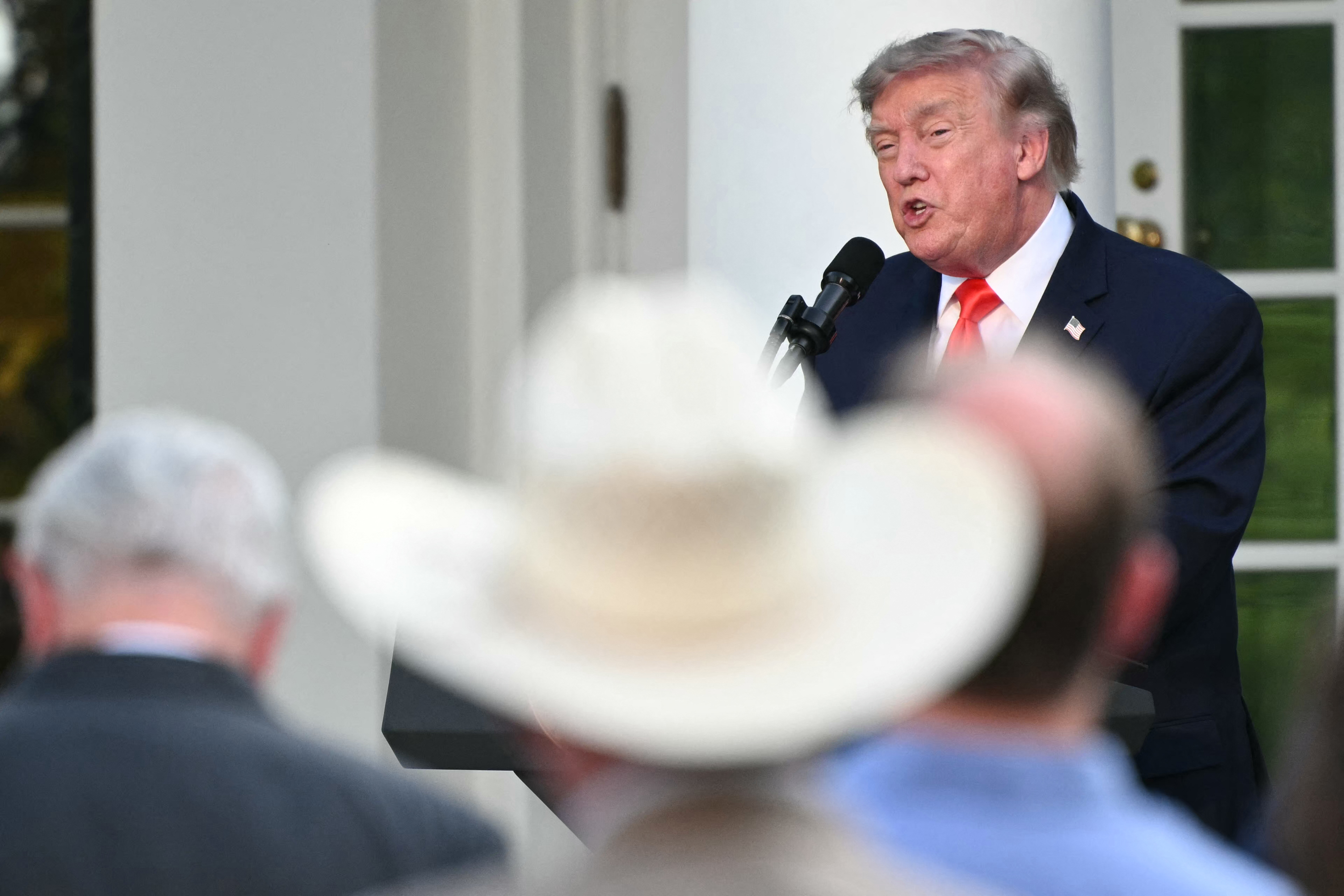
U.S. President Donald Trump met with American farmers at the White House on June 25, 2026, amid rising concerns over their economic well-being. Brent Rendel, an Oklahoma farmer, noted a growing dissatisfaction among fellow farmers with President Trump's administration. Rising costs for diesel and fertilizer, along with shifting tariff policies, have made it difficult for farmers to plan future crops.
Trump's approval rating among rural voters has dropped to 50%, according to a Reuters/Ipsos poll, with only 31% approving of his economic handling. Democrats are capitalizing on this dissatisfaction, as they poll competitively in states like Texas, Iowa, and Kansas. Senate Minority Leader Chuck Schumer and Sen. Amy Klobuchar introduced a bill to create an "America's first-ever fertilizer reserve."
Farmers and agricultural experts attribute the pressures on the industry to Trump's low-tariff beef imports, rising fertilizer and diesel costs, and tariffs increasing production costs. The White House maintains that Trump supports American farmers, but many believe the economic consequences of his policies are now impacting their daily operations.
Written by urgent.news from Time's reporting — not their text. Machine-written — may contain errors; check the original before relying on it.