Is your town one of Spain’s worst for dog poo? What’s being done.
Dog poo on the pavement is one of those everyday annoyances that can turn a pleasant walk into an obstacle […]
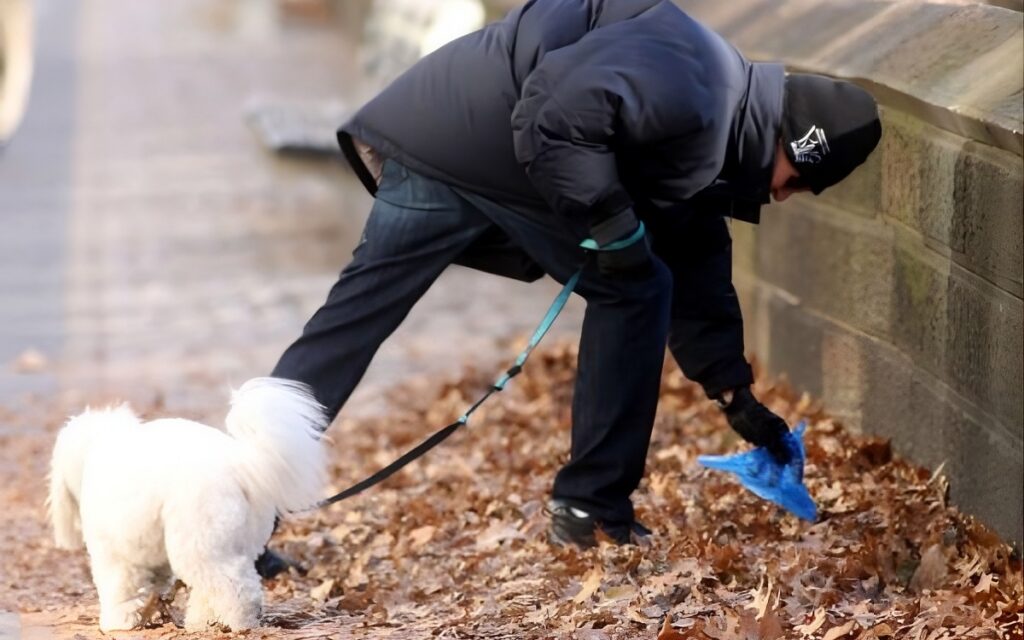
Spain's urban areas grapple with the issue of dog waste left on streets, impacting the cleanliness and safety of neighborhoods. A survey conducted by OCU, a consumer organization, revealed that dog feces on pavements is one of the most prevalent complaints across 69 Spanish cities. Cities like Palma de Mallorca, Alicante, and Sevilla topped the list of those needing improvement in street cleanliness, followed by San Sebastian de los Reyes, Las Palmas de Gran Canaria, Barcelona, and Madrid.
In response to these findings, various local initiatives have emerged to tackle the problem. The Montesol Residents' Association in Caceres launched a campaign on October 7, distributing humorous posters encouraging residents to pick up after their dogs. These posters, featuring witty messages such as "Ya no necesitamos más suerte en el barrio" (We don't need any more luck in the neighborhood), aim to deter irresponsible dog owners through humor.
Similarly, residents in Rivas-Vaciamadrid, near Madrid, displayed sarcastic notices under the slogan "El club de los guarros" (The club of dirty people) to raise awareness and foster a sense of community responsibility. OCU, through its "Stop cacas" campaign, has urged councils to enhance enforcement measures and impose deterrent penalties for pet owners who fail to clean up after their dogs.
Some Spanish municipalities have taken more direct actions, such as implementing canine DNA registers to identify dogs responsible for fouling public spaces. In Burriana, Castellon province, the council extended its free canine DNA testing program by 500 additional slots until the end of November. Owners who register their dogs may face fines ranging from €500 to €3,000 for violations like failing to register, allowing dogs off-leash, or not cleaning up after their pets.
While councils can manage street cleanliness through sweeping, washing streets, and imposing higher fines, they cannot single-handedly eliminate the issue. In cases of recurring problems, such as wild boar presence in residential areas, residents are advised to report incidents to local police or environmental services. These interactions highlight the need for cooperation between residents, councils, and authorities to maintain clean and safe urban environments in Spain.
Written by urgent.news from Euro Weekly News's reporting — not their text. Machine-written — may contain errors; check the original before relying on it.