Deals: MacBook Pro massive $600 off, AirPods, Mac mini, Apple iPhone cases, more
We are starting the week off with a solid $50 price drop on AirPods Pro 3 and AirPods Max 2 at $120 off, but today’s 9to5Toys Lunch Break is headlined by MacBook Pro. We are now tracking a massive $600 price drop hits Apple’s 24GB M5 Pro to deliver one of the best MacBook deals of the year alongside a host of other configurations you’ll find below. You also still have a chance at M6 Mac mini…

The Cherokee Nation has long collaborated with Apple, and Cherokee was the first Native American language included in iOS back in 2010. Today, the iPhone maker says its iOS keyboard supports more than 200 languages and language variants, with additional ones added last year in iOS 26, such as Haitian Creole and Nez Perce. For the upcoming iOS 27, Apple has expanded support to include additional Native American languages like Blackfoot, Comanche, and Northern East Cree.
This initiative aims to meet young people where they spend much of their time: on their phone screens. The goal is to revitalize and save languages by making them accessible to more people. Apple works closely with community members to ensure the process is not just about translating words but involves deep research and collaboration.
Before a language can be typed or read on a smartphone screen, it needs to exist as a recognized character in the Unicode Standard. Unicode, a neutral consortium, handles the approval and standardization of new emoji and other digital elements, including font support for languages. After encoding a script, platforms like Apple and Google must add font support to display characters correctly.
The keyboard layout must also be customized to suit the needs of each language community. For instance, the Cherokee language represents consonants combined with vowel sounds, known as syllabary, and Apple has implemented adaptive vowel keys to facilitate typing. In terms of digital sovereignty, Apple emphasizes that it doesn't own any data and aims to represent languages in the best possible way on its platform.
This collaboration with Apple is part of a broader effort to preserve and promote Indigenous languages, acknowledging the historical context of dispossession and exploitation faced by these communities.
Written by urgent.news from Wired's reporting — not their text. Machine-written — may contain errors; check the original before relying on it.
This story
This is one outlet's version. Read the fullest account.
- How Apple Puts Indigenous Languages on the iPhone Keyboard wired.com
- iPhone 18 Pro Max review: Apple’s biggest, heaviest and longest-lasting superphone theguardian.com
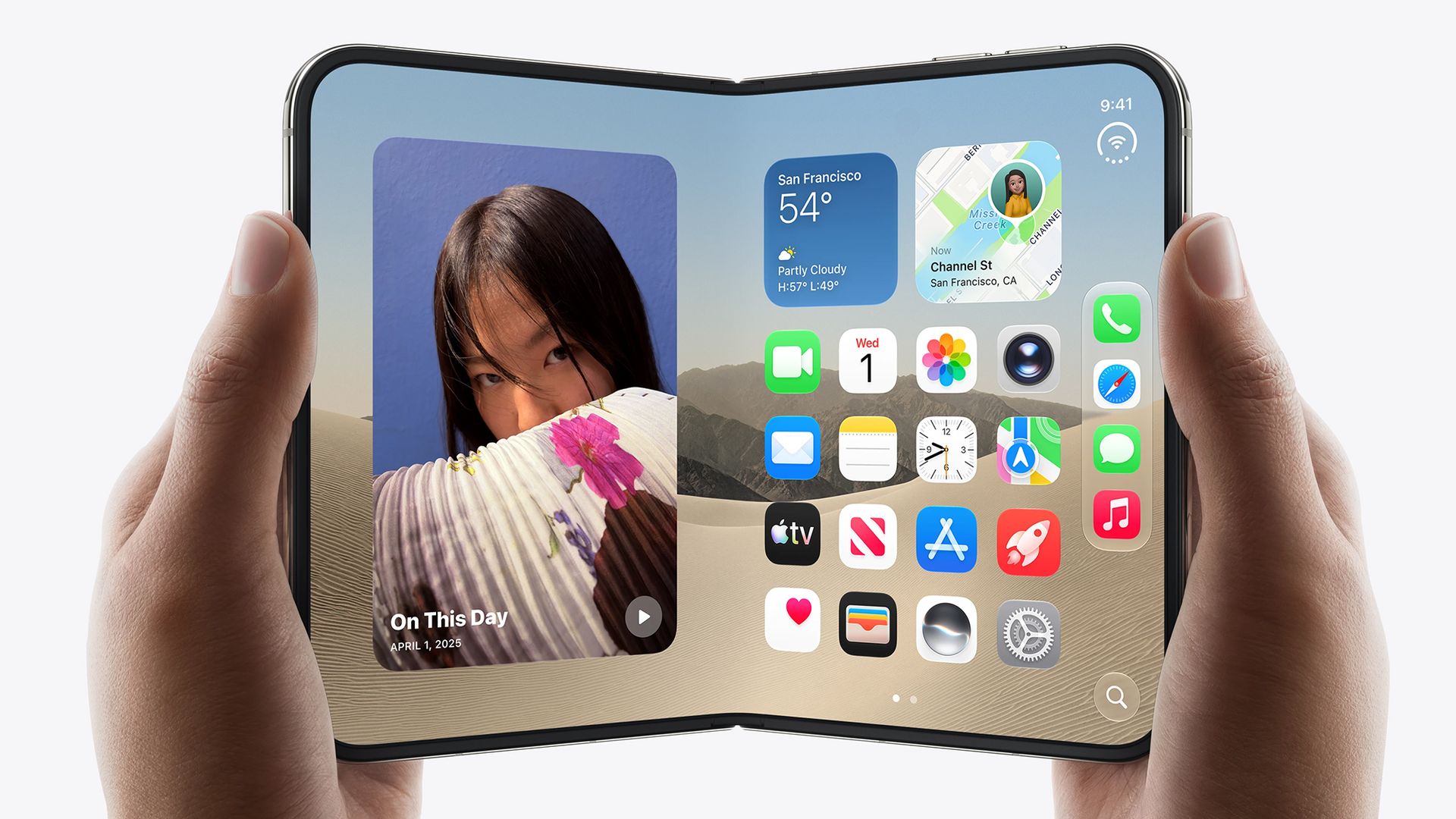
- Where Apple focused engineering so the iPhone Duo could have desktop-like performance appleinsider.com
- Apple has reportedly increased its iPhone Duo orders by 30% 9to5mac.com